Aurakey
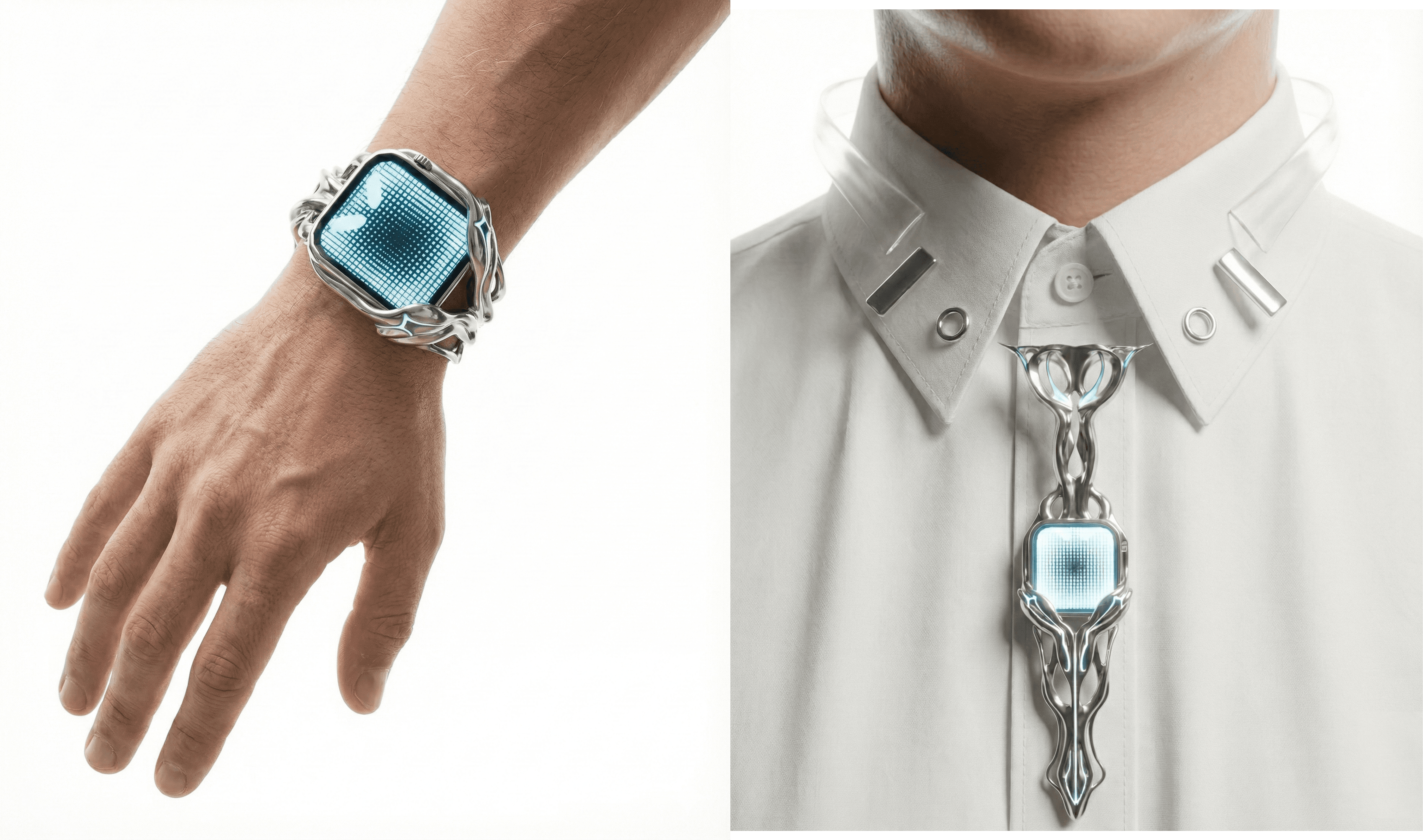
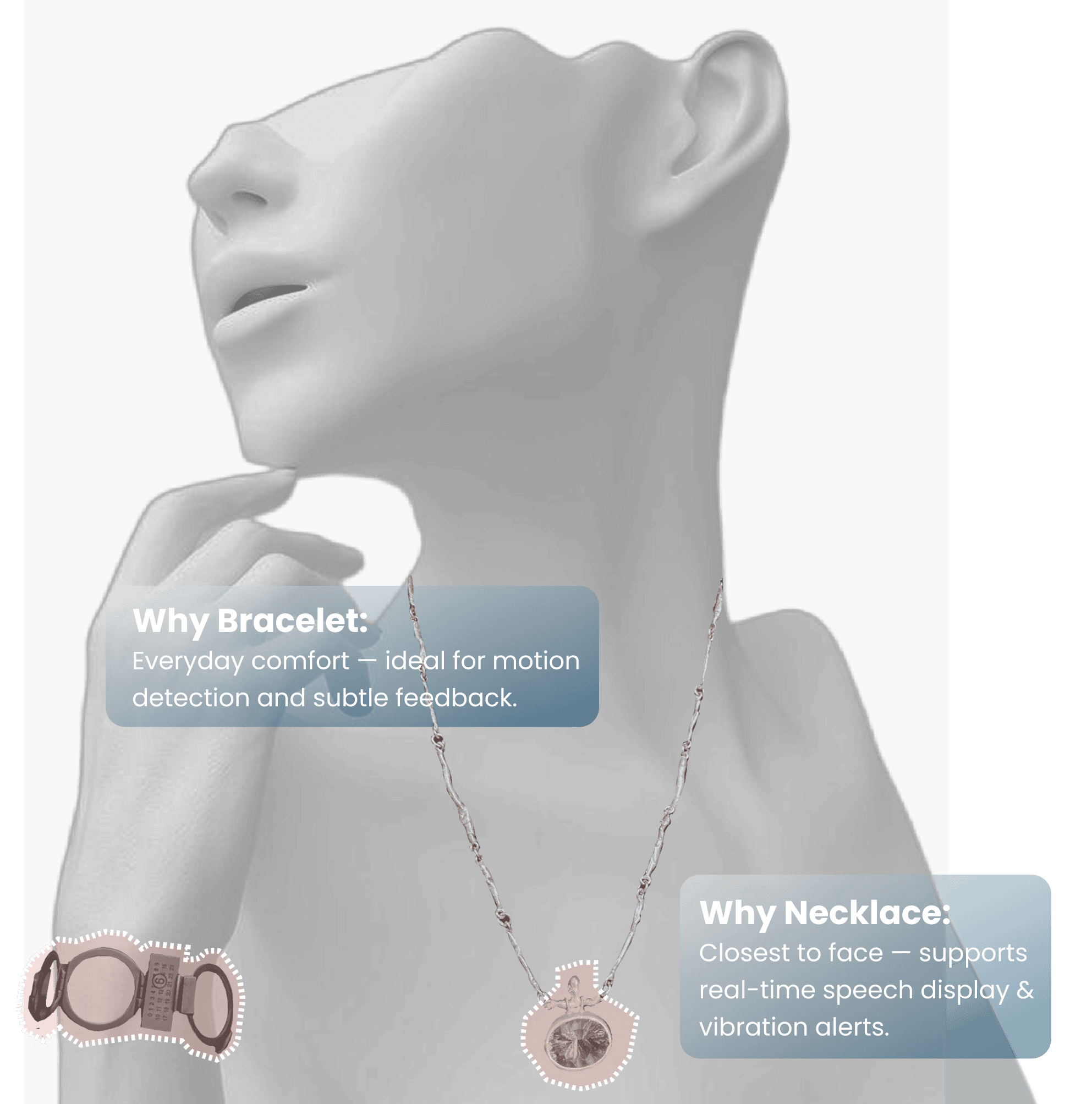
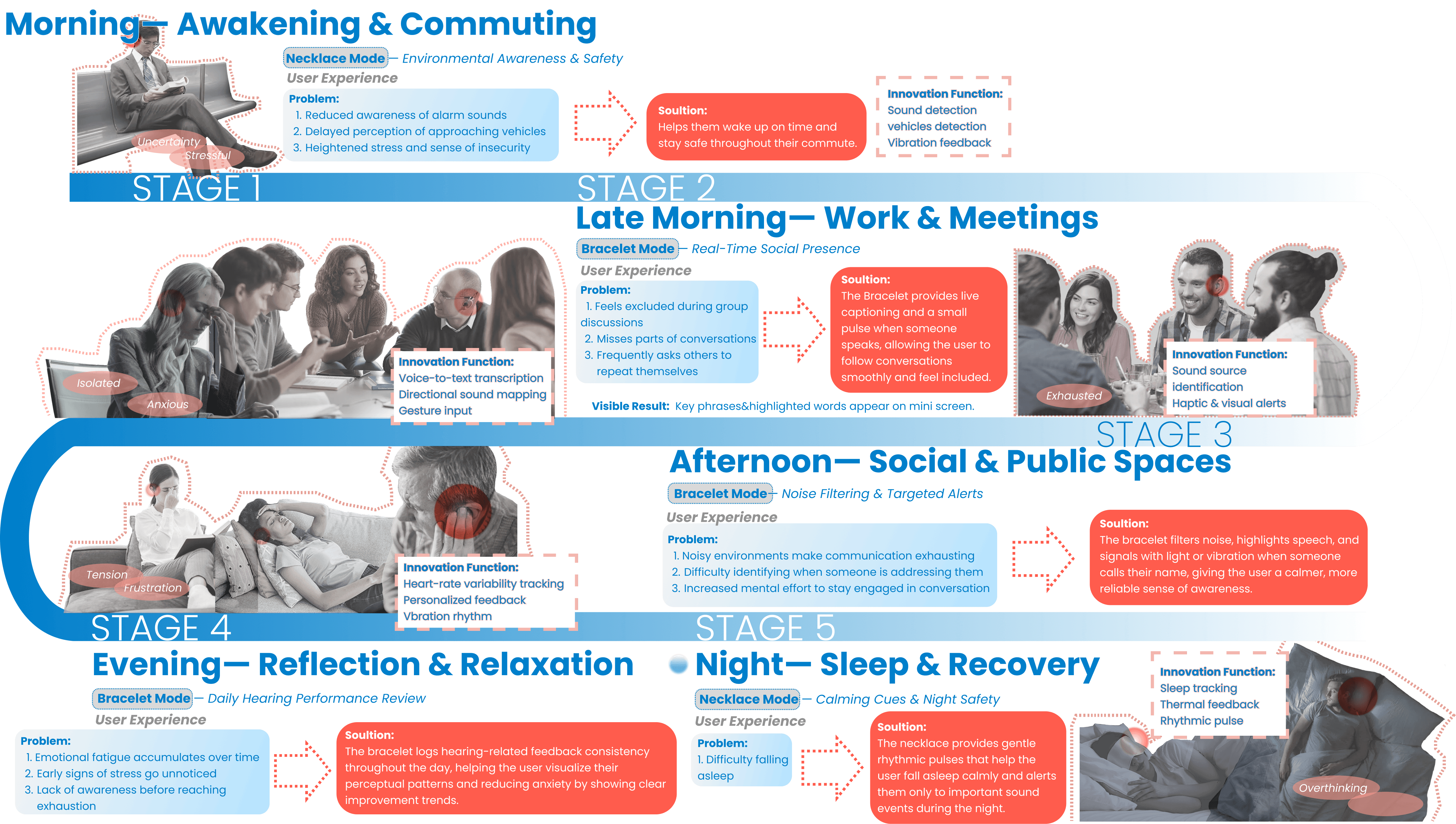
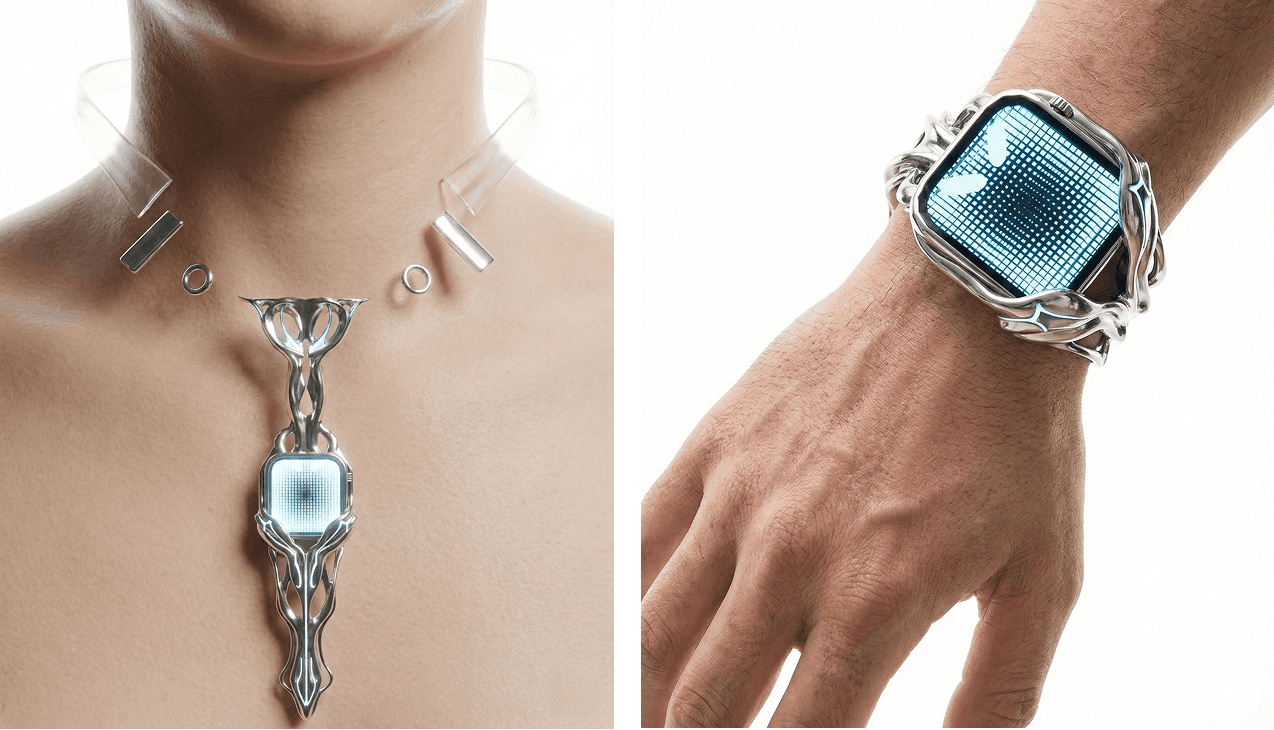
AURAKEY is a jewelry-like multisensory wearable that translates sound into light, vibration, and subtle visual cues. It adapts across necklace and bracelet modes to support awareness, communication, and emotional calm throughout the day.
It offers a quiet, intuitive layer of perception—helping users navigate the world with confidence when hearing becomes uncertain.
Defintion of Hearing Loss
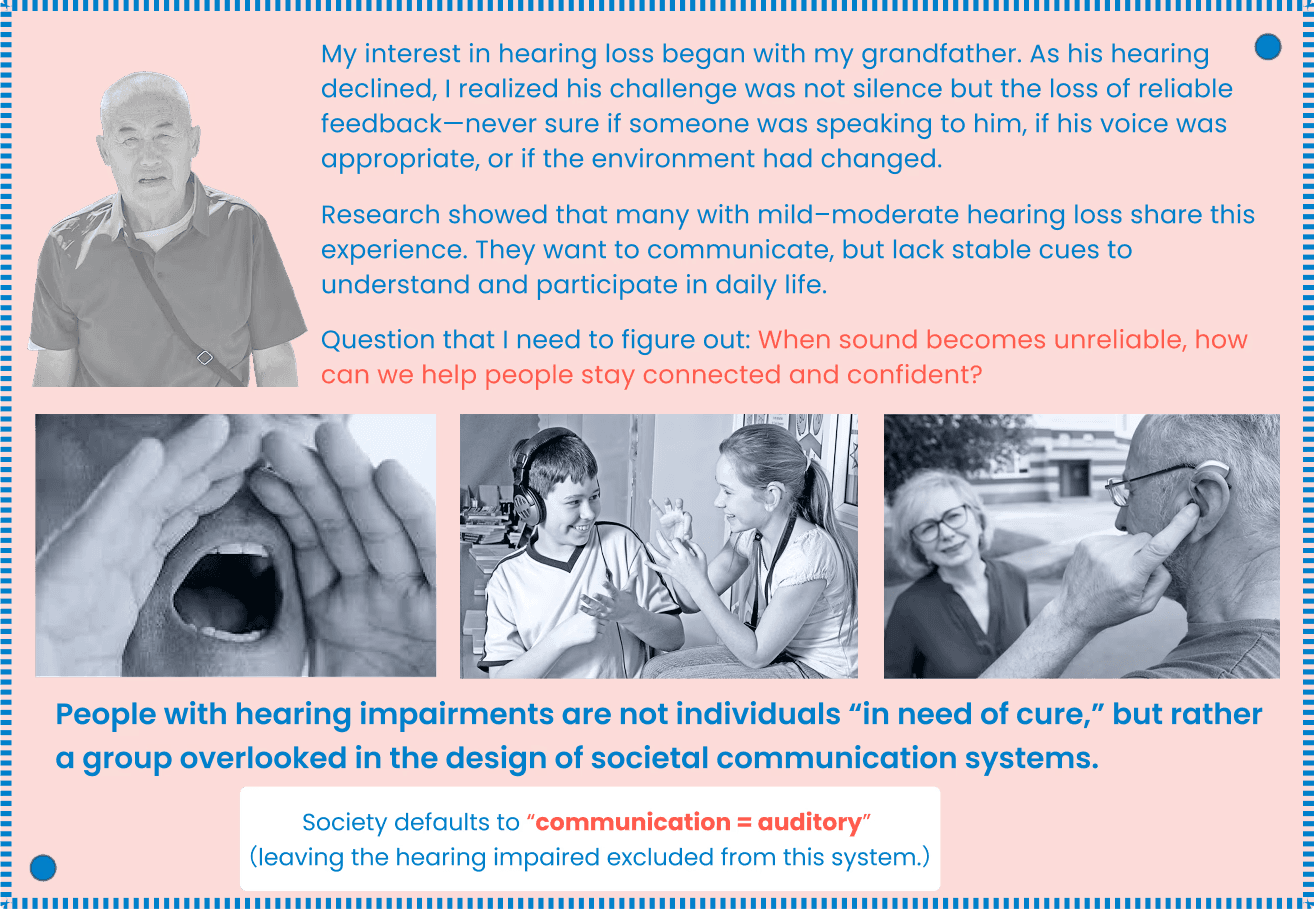
A diverse group of people with different hearing levels, communication preferences, and cultural identities.
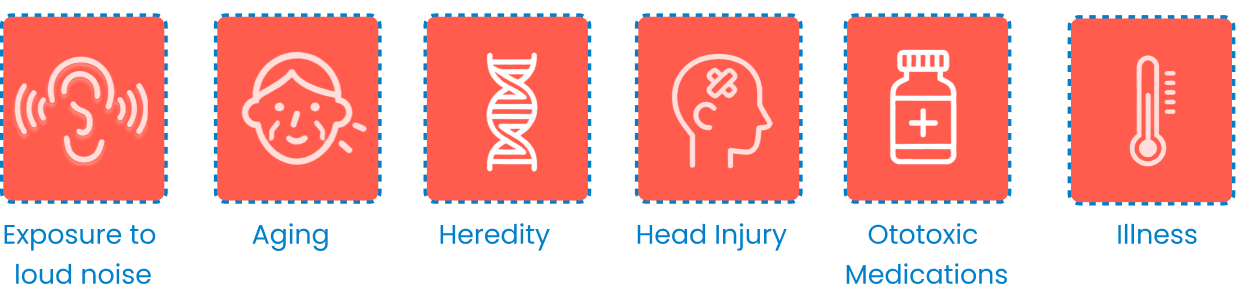
Common Causes of Hearing Loss
Proportion and Scale of Global Hearing Loss
Approximately 1.5 billion people worldwide experience some degree of hearing loss (20>dB), with this figure projected to rise to 2.5 billion by 2050.
Moderate to Severe/Disabling Hearing Loss (Requiring Rehabilitation)
Currently, approximately 430 million people worldwide suffer from disabling hearing loss (35>dB), including about 34 million children. By 2050, this figure is projected to exceed 700 million people.
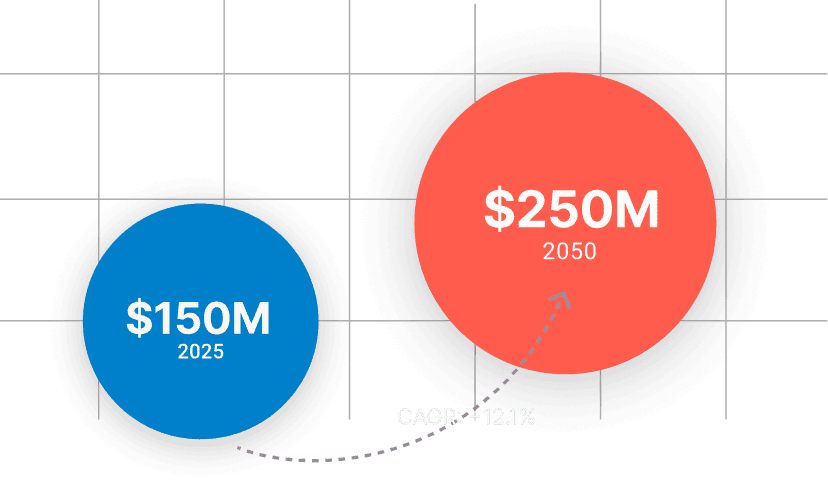
A Large Population, Yet a Small Market
Although the hearing-impaired population keeps growing, market investment remains minimal. By 2025, the global hearing-care industry is worth only USD 10.3 billion—less than 0.2% of the healthcare economy—revealing a clear gap between real needs and societal attention. Accessibility and inclusive technologies for hearing loss remain at the margins.
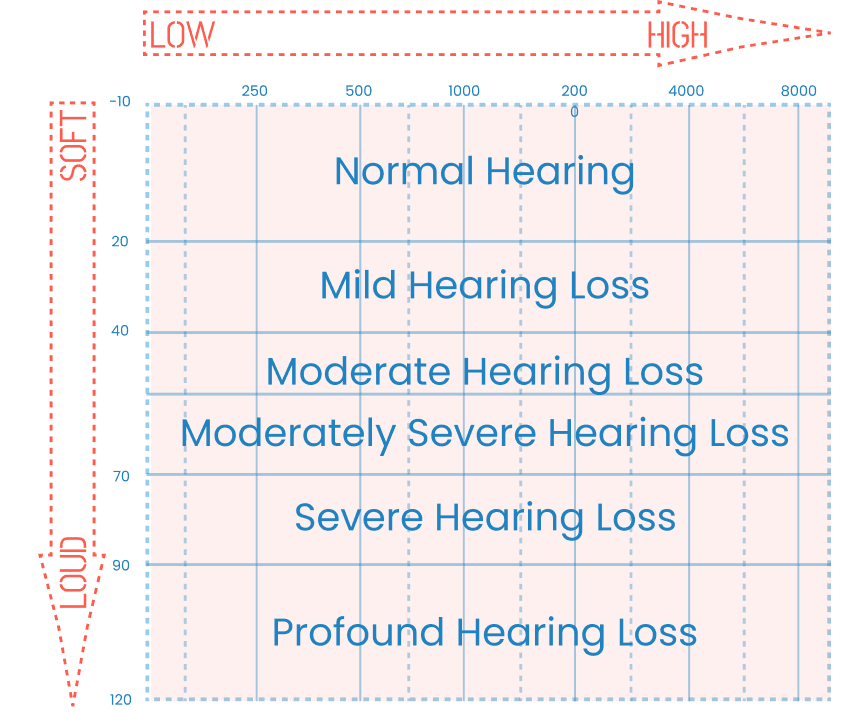
Degree of hearing impairment
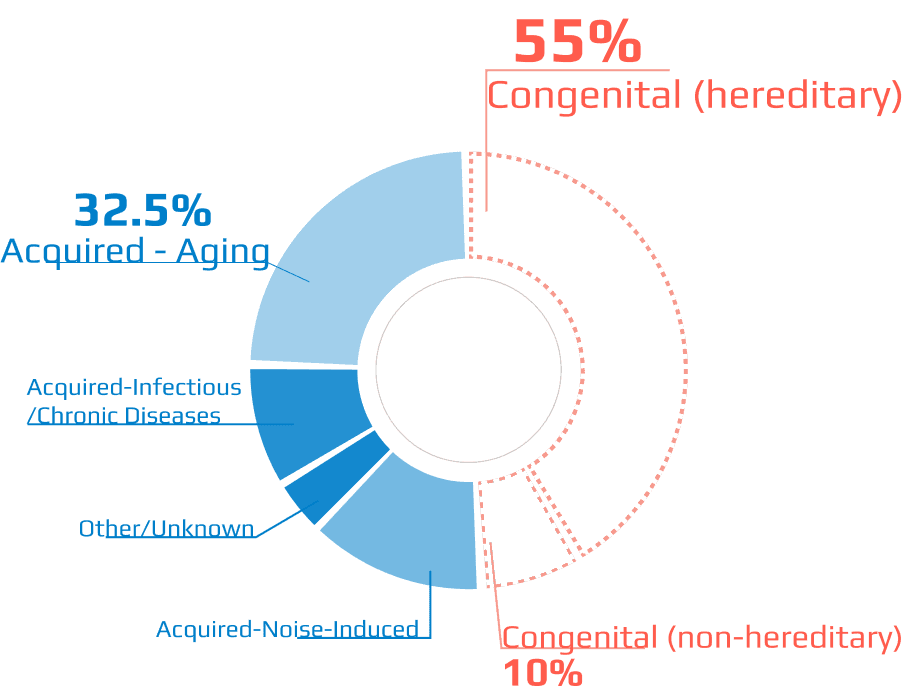
Distribution of Hearing Loss Causes

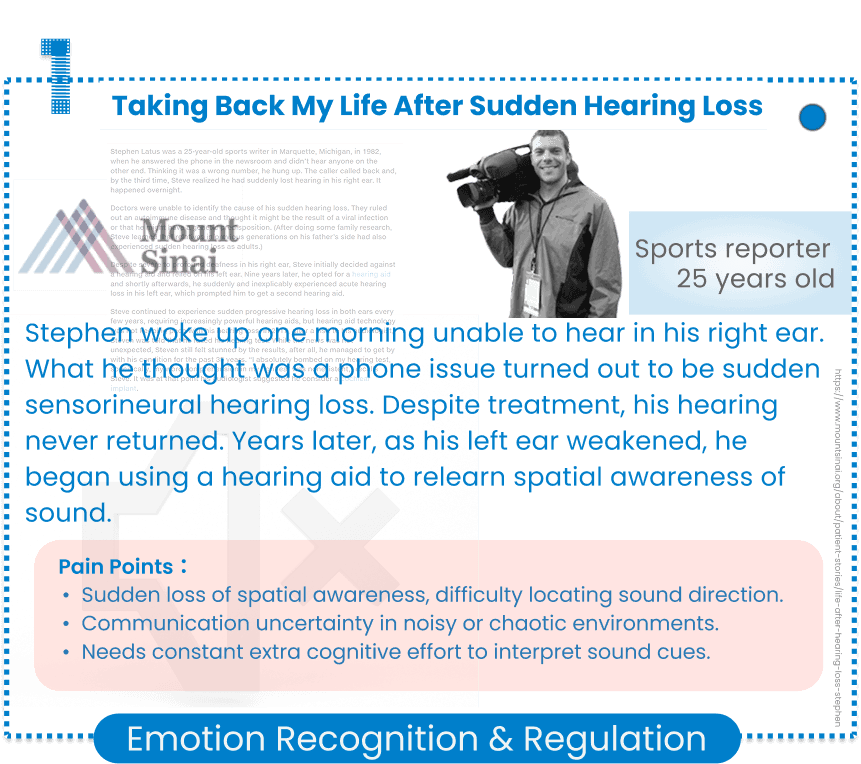
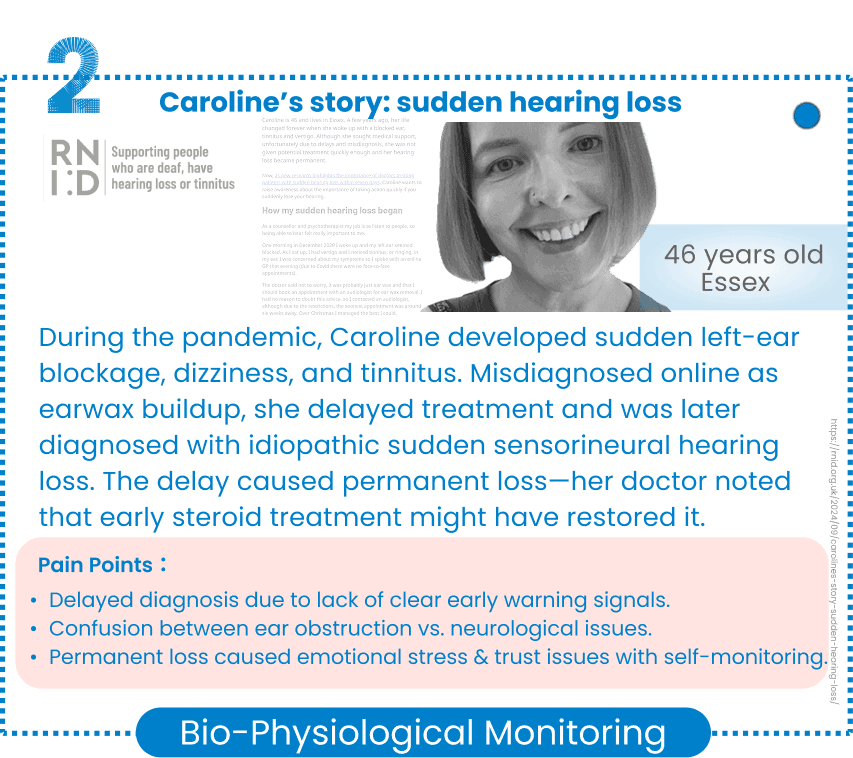
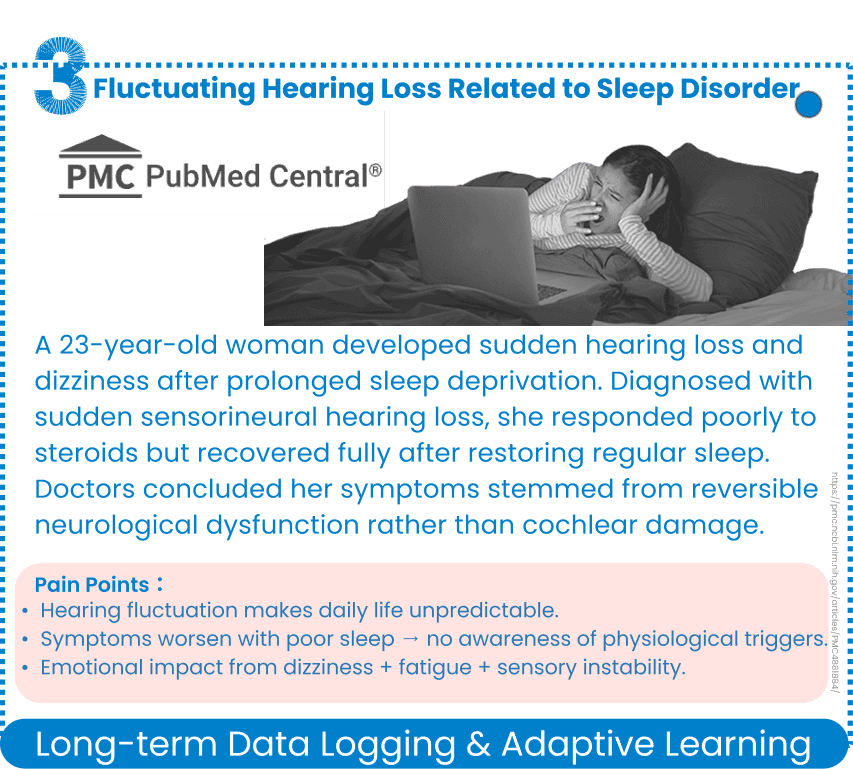
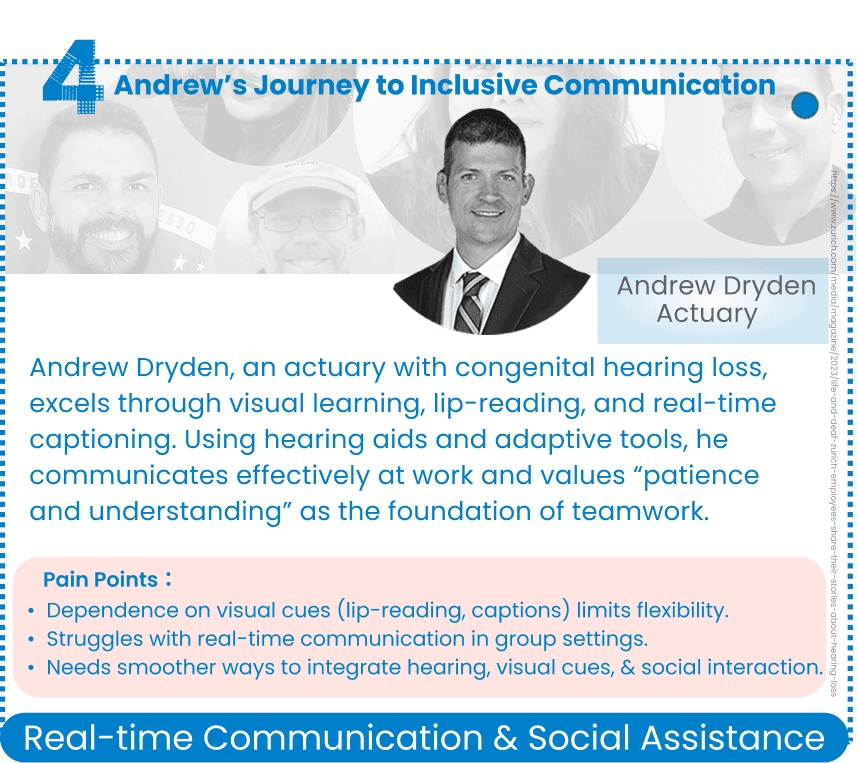
From the case study, four core functions were identified for hearing support systems: Bio-Physiological Monitoring, Emotion Recognition & Regulation, Real-time Communication & Social Assistance, and Long-term Tracking & Adaptive Intelligence. These reflect user needs across different adaptation stages and guide future interactive system design.
Bio-Physiological Monitoring
Track changes in body signals to detect risks or fatigue in advance.
Record changes in the user’s state and enable the system to optimize accordingly.
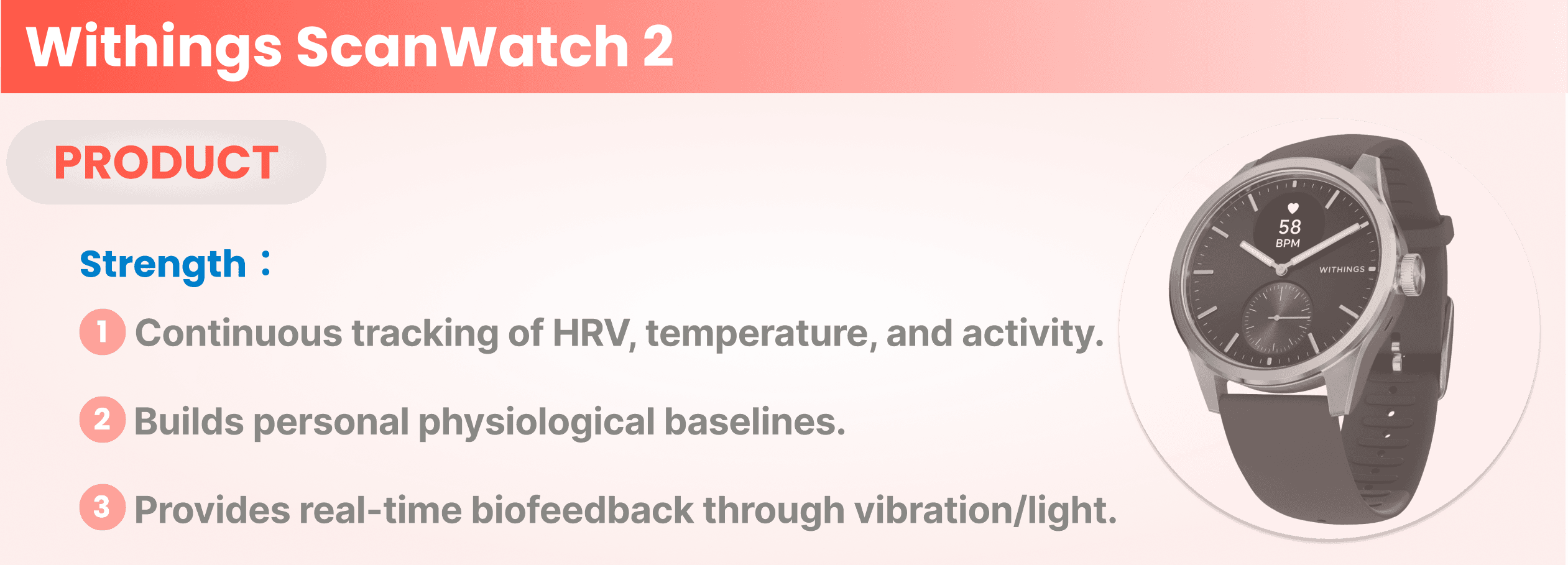
Long-term Tracking & Adaptive Intelligence
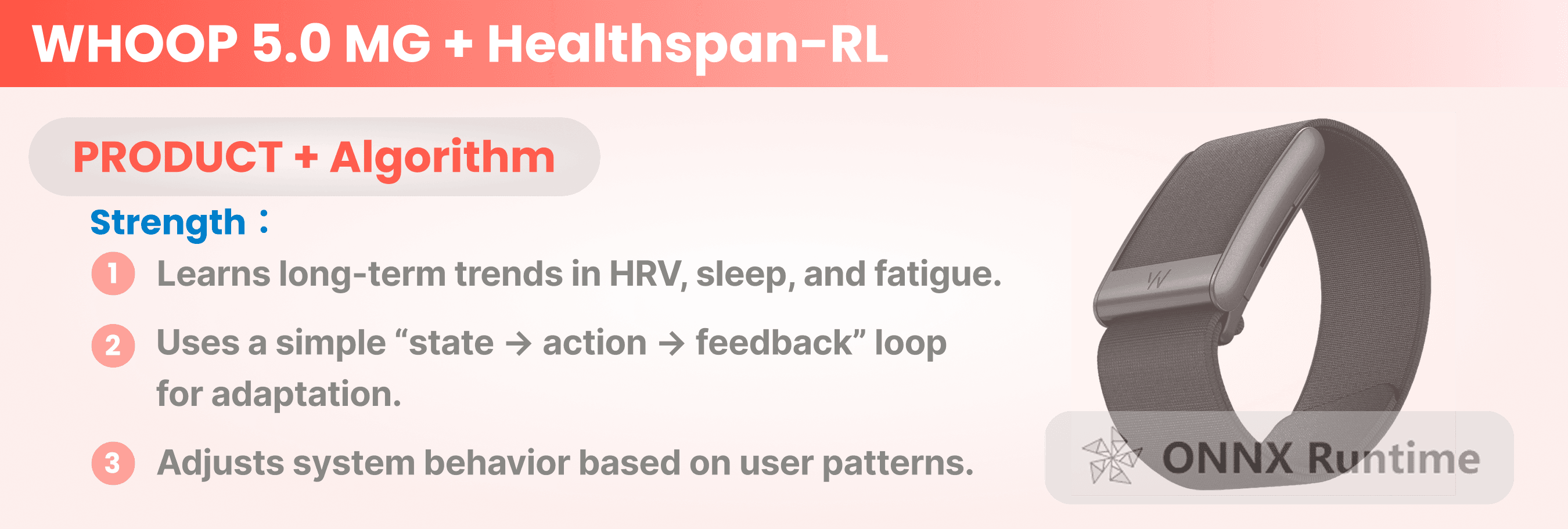
Maintain clear communication and social engagement in situations of information overload or communication barriers.
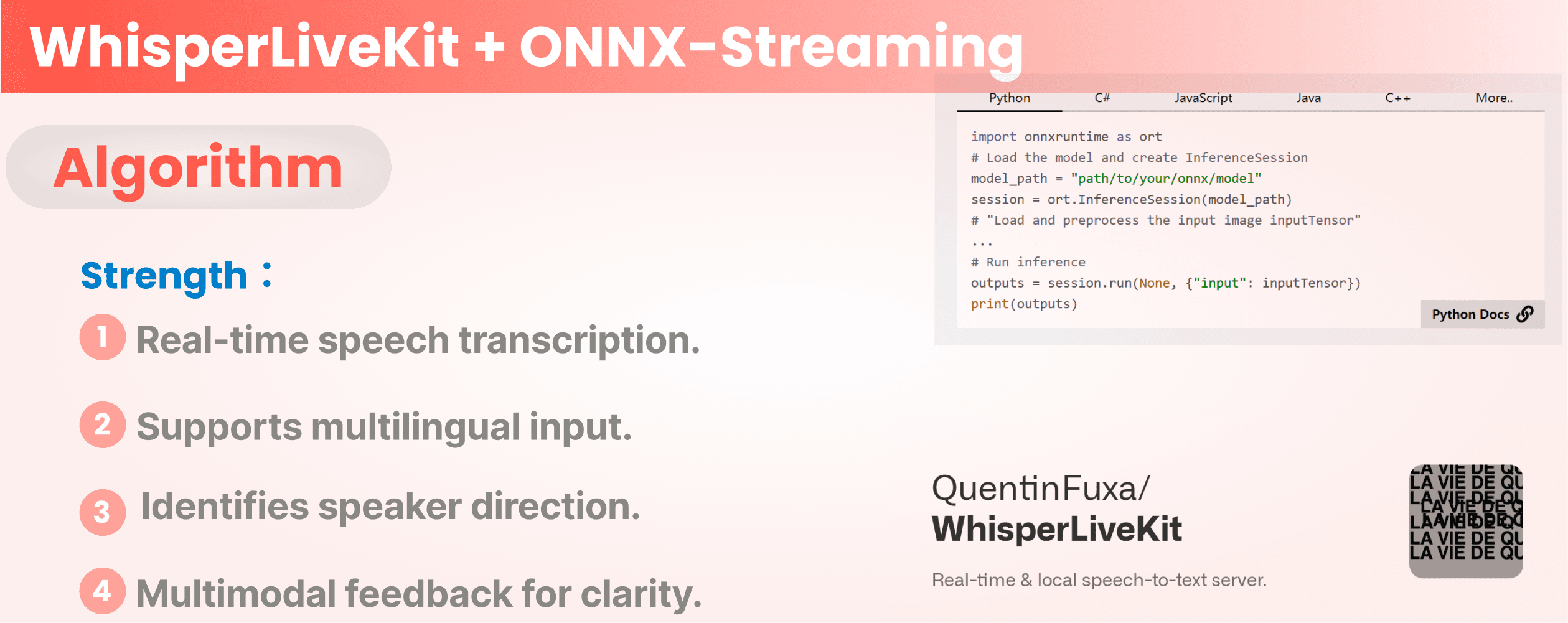
Help users become aware of their emotions and facilitate relief or healing.
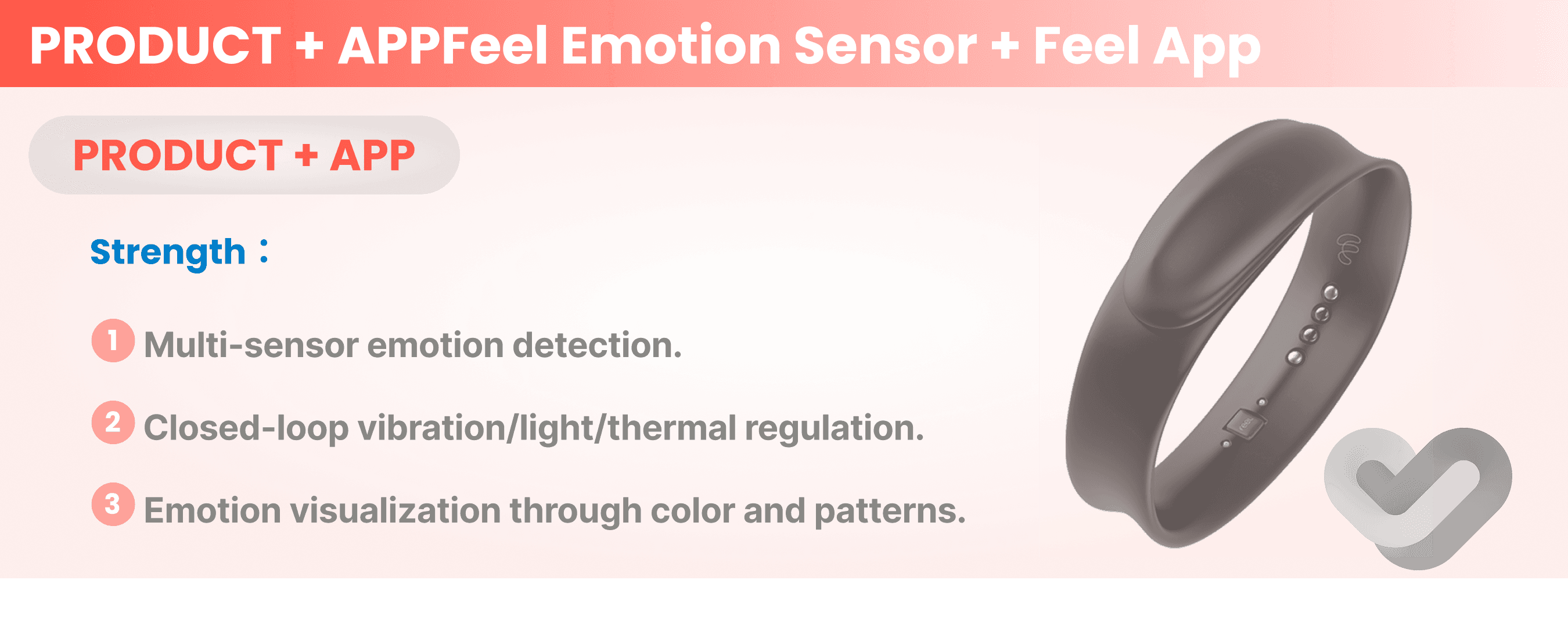
From self-awareness to external connection A wearable system that integrates perception, emotion, and response into everyday life.
Core Functional Layers
A modular wearable system built around sensing, interpretation, and feedback.

Target users-young professionals
Designed for a new generation who value both function and fashion. Young professionals seek technology that blends seamlessly into daily life — smart, lightweight, and expressive enough to be worn openly.
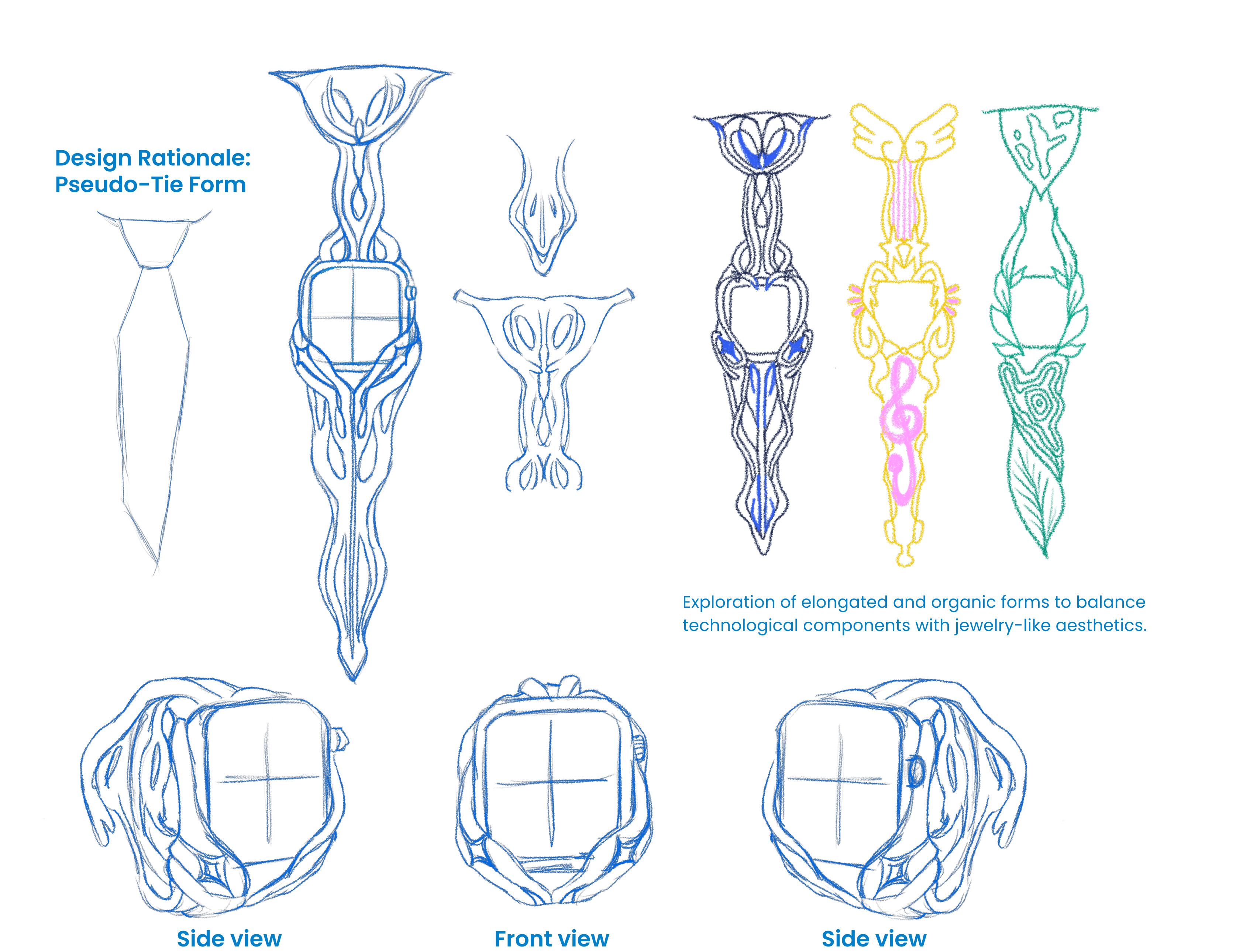
Sketches
These sketches explore how a wearable device can visually disappear into jewelry-like forms, while still maintaining clarity, comfort, and interaction logic. The focus is on validating proportion, structure, and wearability before digital modeling.
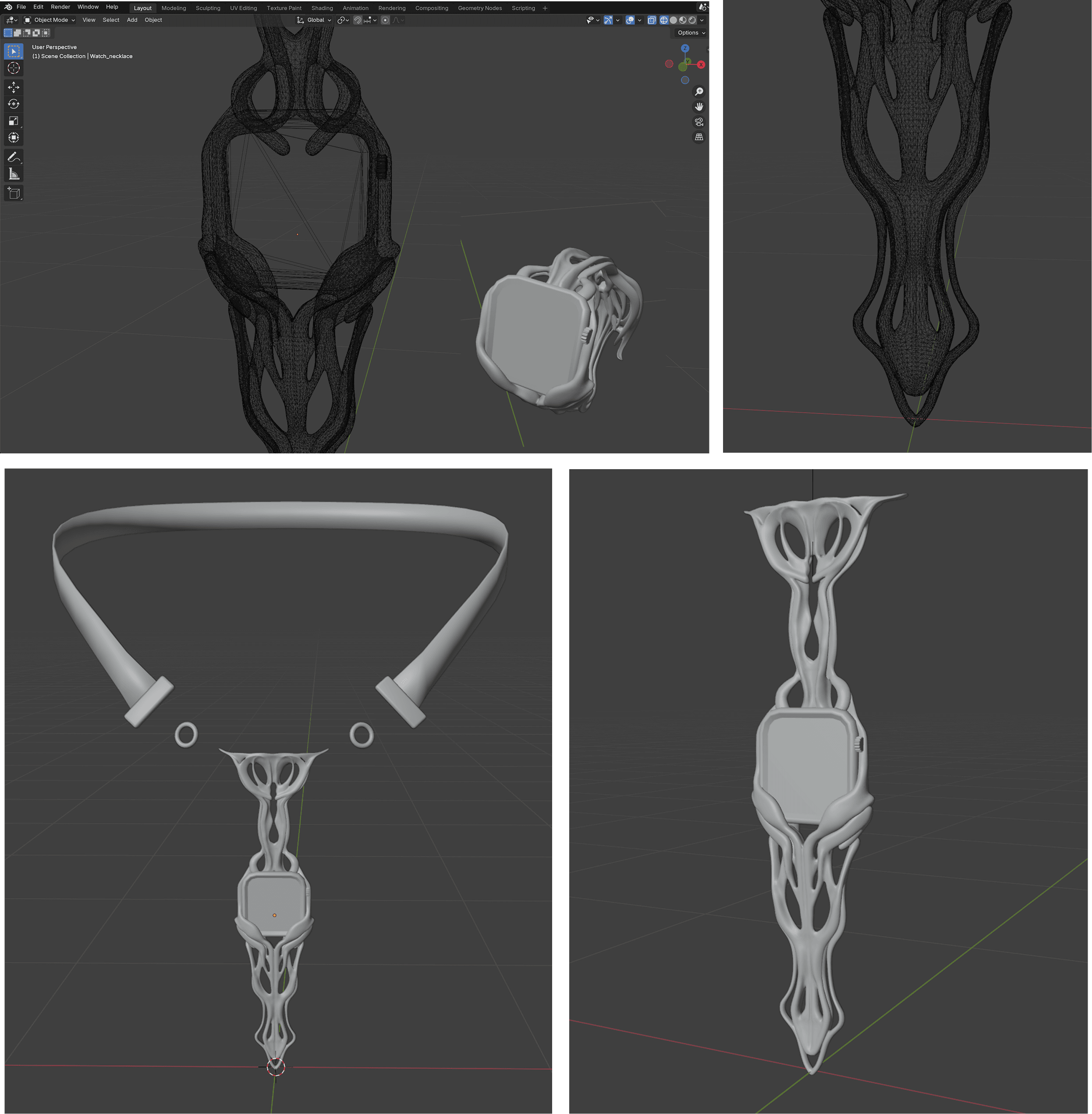
3D Modeling
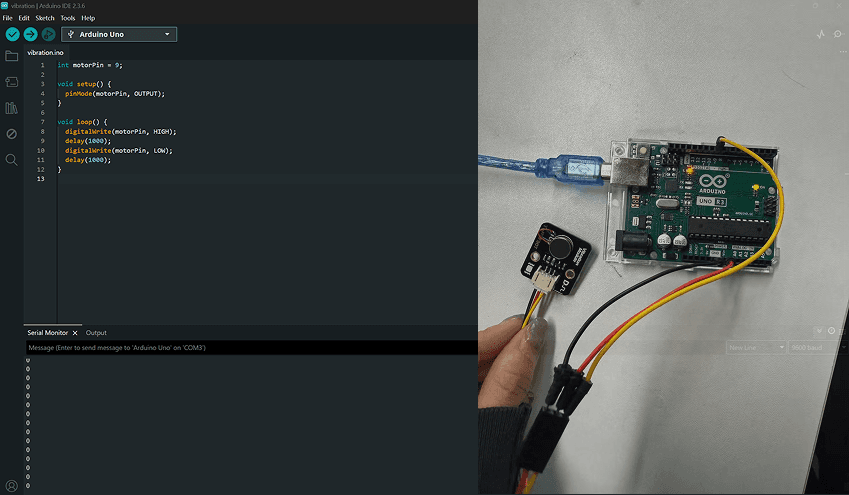
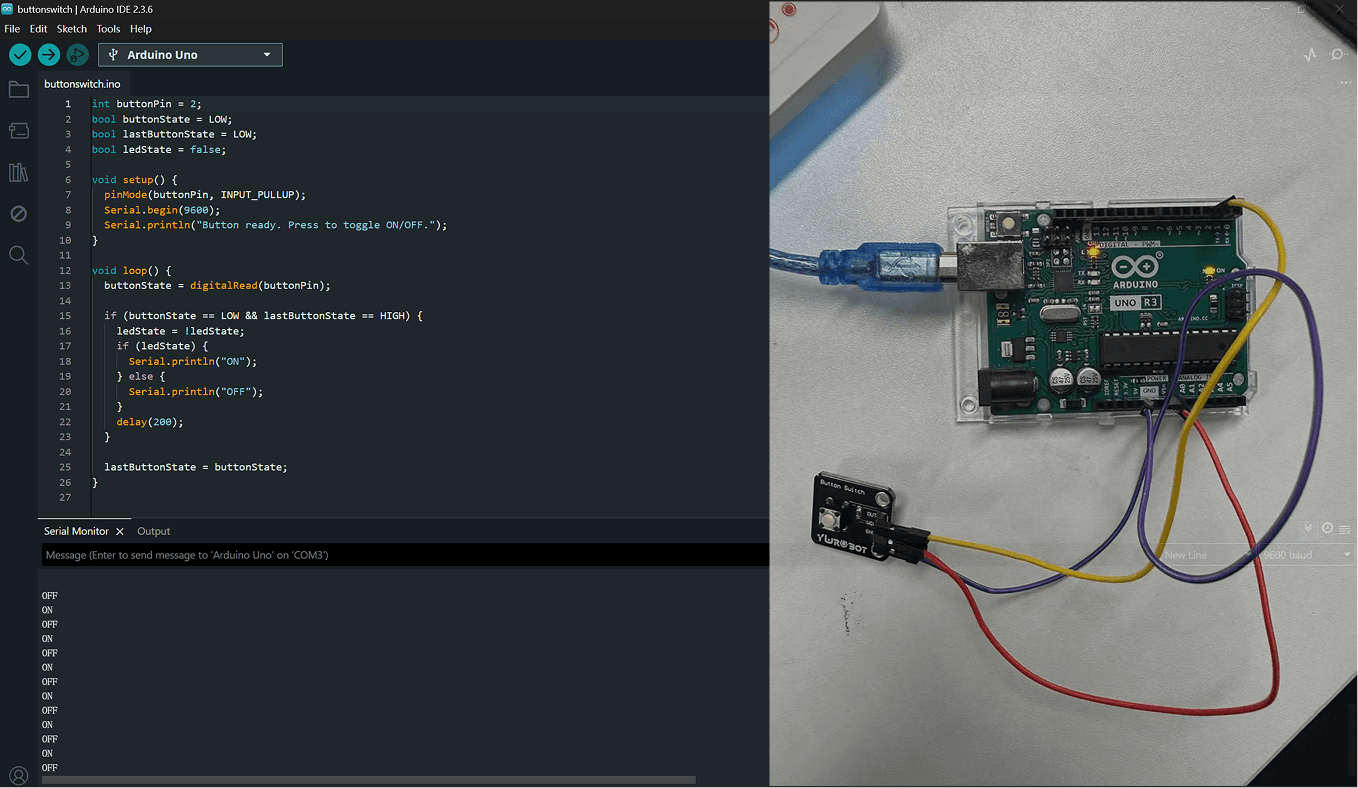
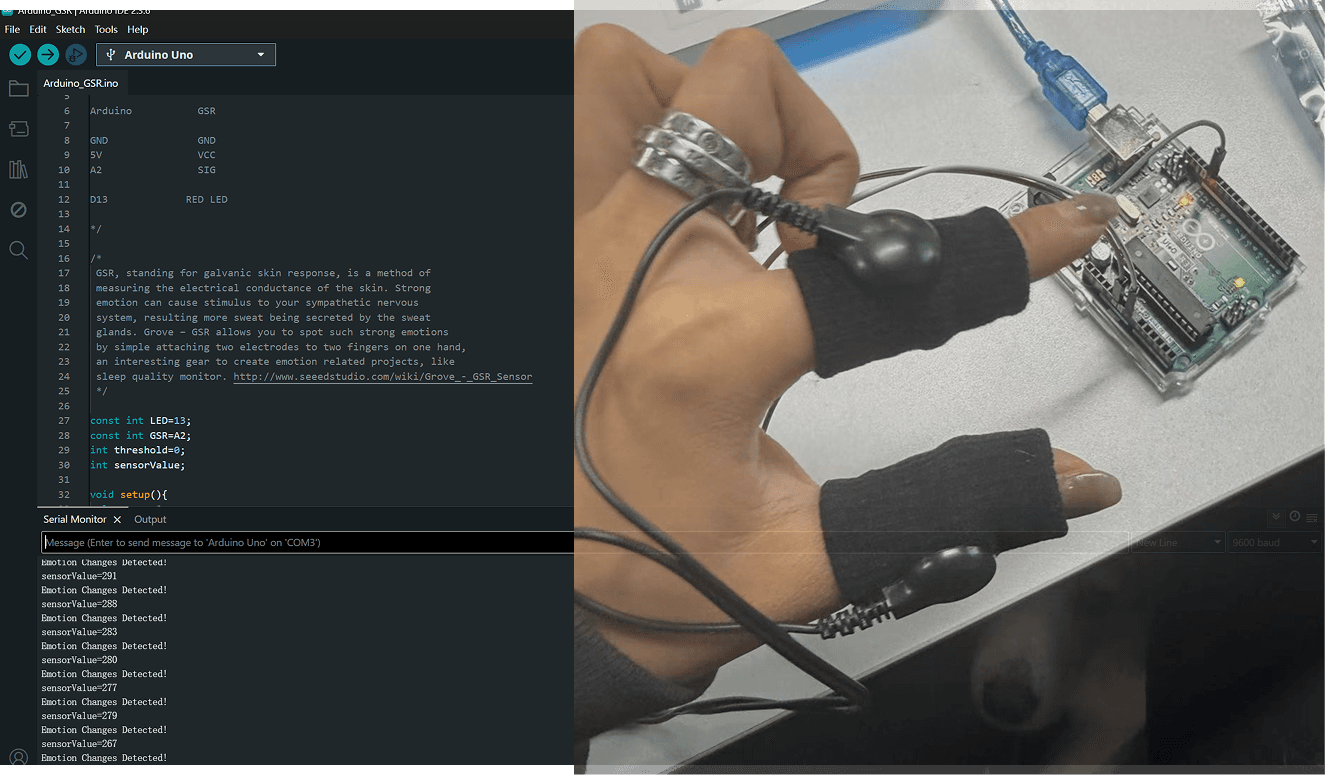
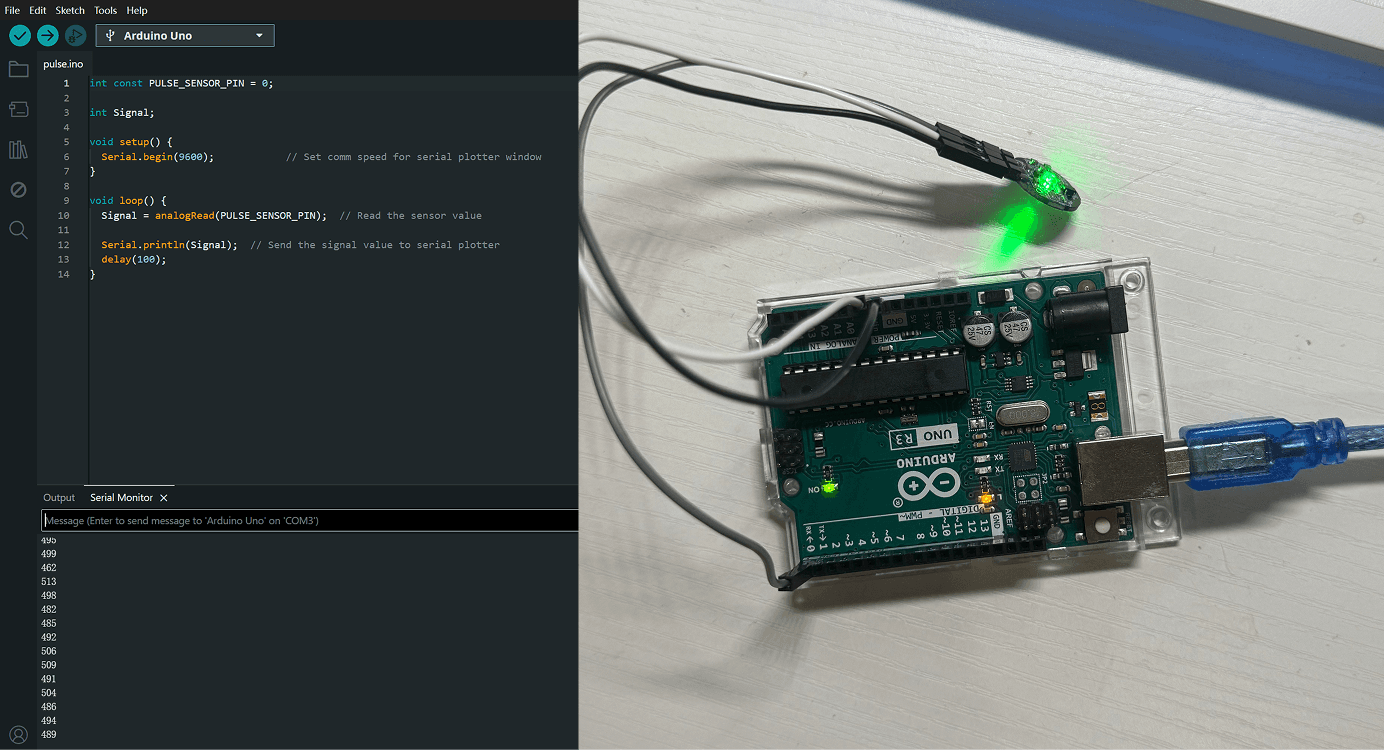
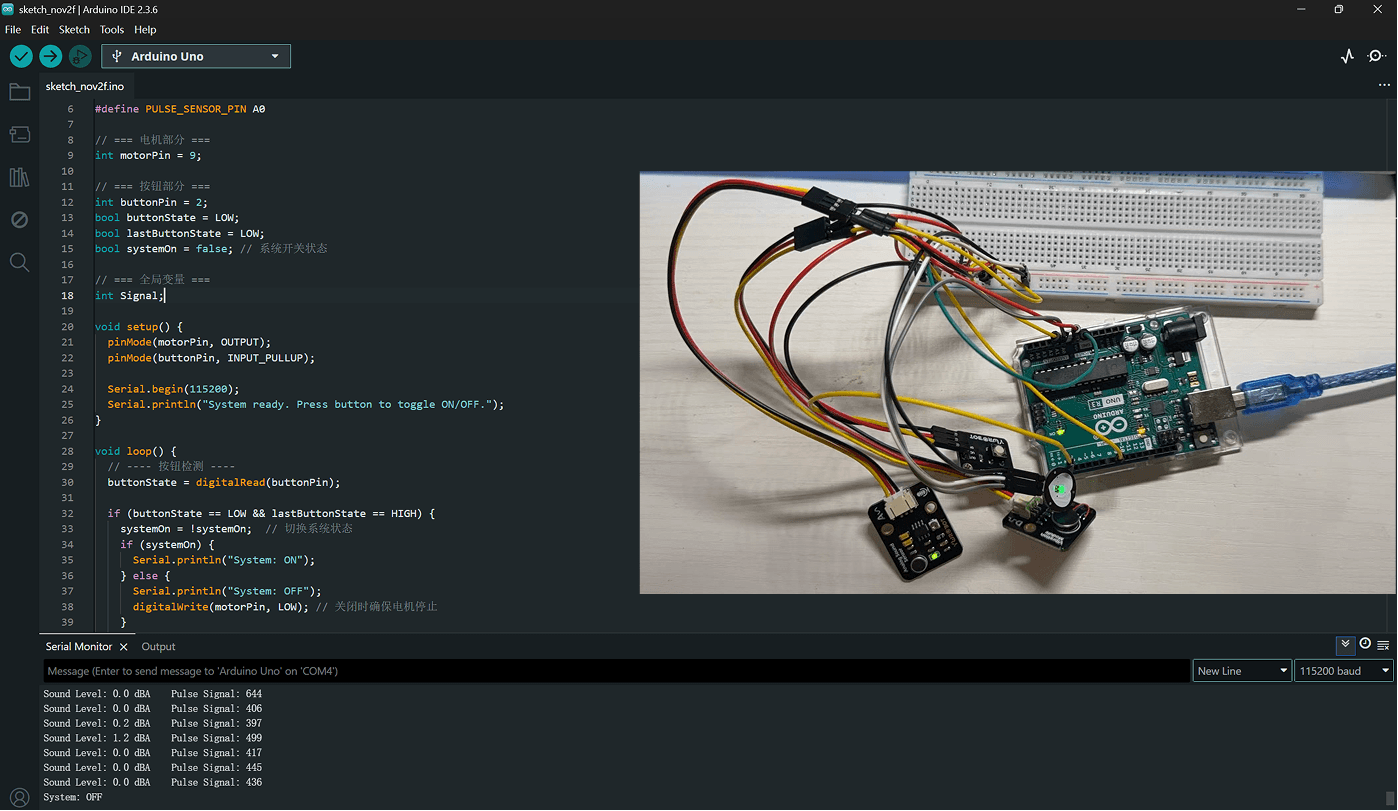
To verify whether the wearable assistive-hearing device can achieve the core interaction loop of “sense → interpret → respond → adapt”, I conducted a series of hardware tests. Each module corresponds to a potential functional component of the device: environmental sensing, physiological monitoring, user input, and haptic feedback.
Sensor testing

Code Integration
Combines all sensor inputs to validate the complete sense–interpret–respond loop with real-time haptic output.
Final Wearble Device
see also