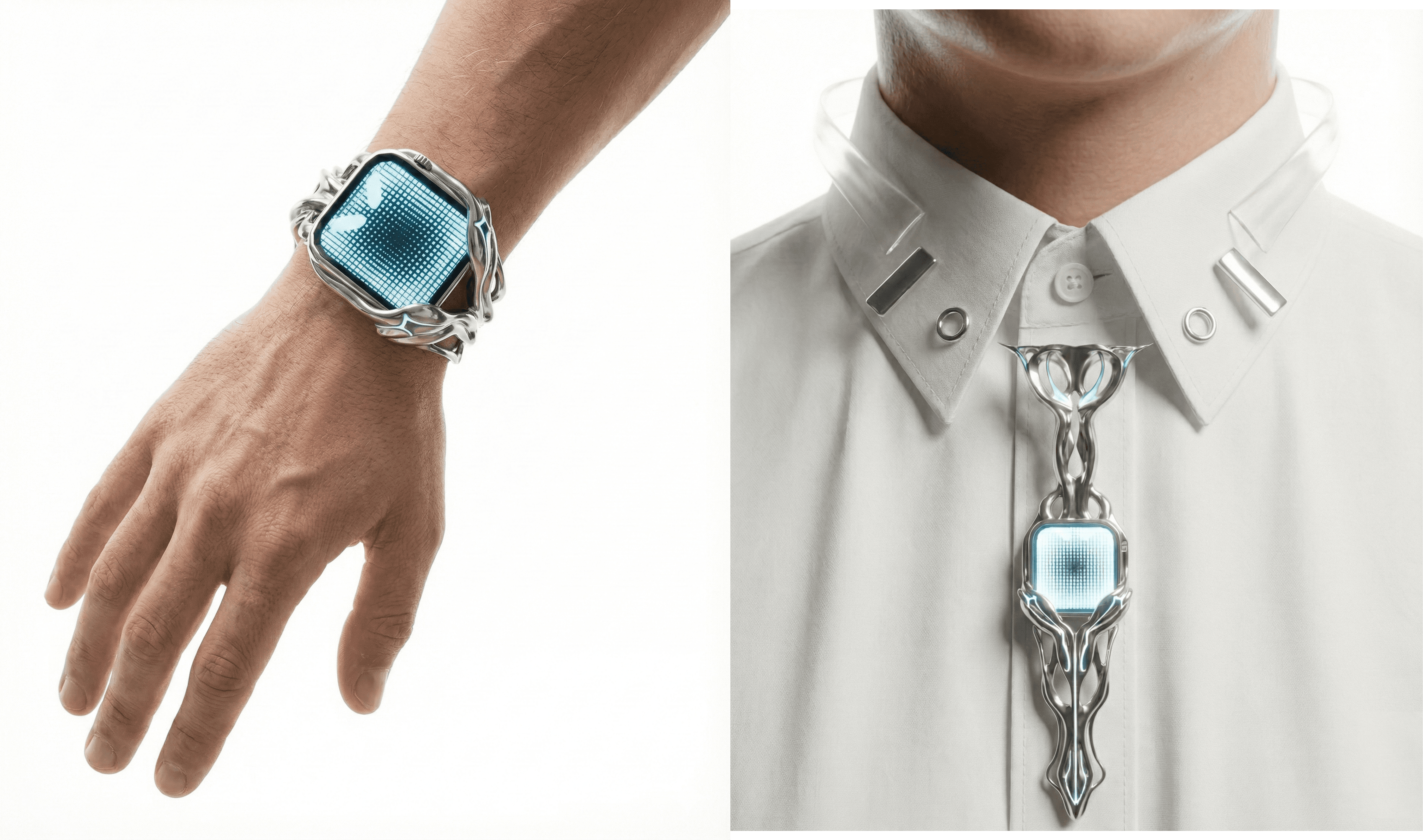
Citycanvas AR
CityCanvas AR is a city digital memory platform powered by multimodal perception and AR technology. By integrating visitors' visual attention, emotional responses, and creative expressions, it constructs an interactive, evolving layer of urban impressions, enabling everyone to participate in the co-creation and sharing of city memories.
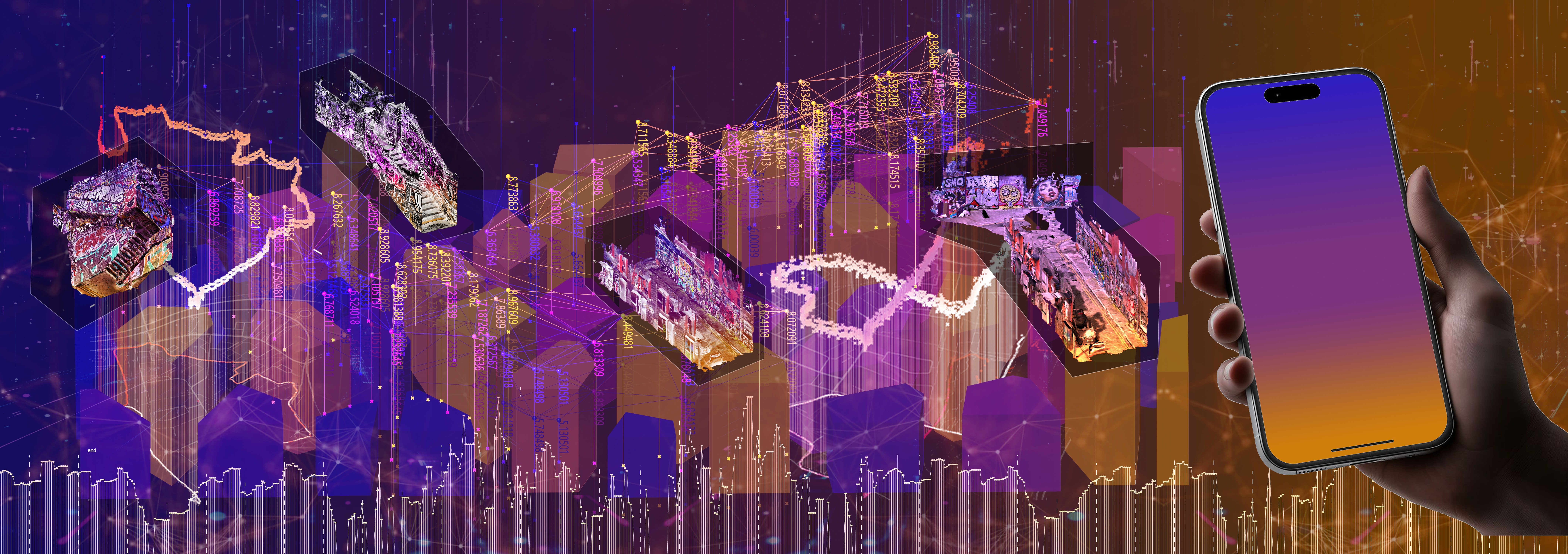

In the digital age, urban imagery is constantly produced, yet meaningful memory is easily fragmented. People want to leave personal traces in places they care about, but lack a persistent way to anchor expression within the city. At the same time, the collective emotions that shape urban atmosphere remain unseen.

CityCanvas AR addresses this absence by creating a persistent digital memory layer for the city. By combining visual attention, emotional sensing, and AR graffiti, it links individual perception with collective expression, allowing memories to accumulate into a shared, evolving urban narrative.
Pain Points Analysis
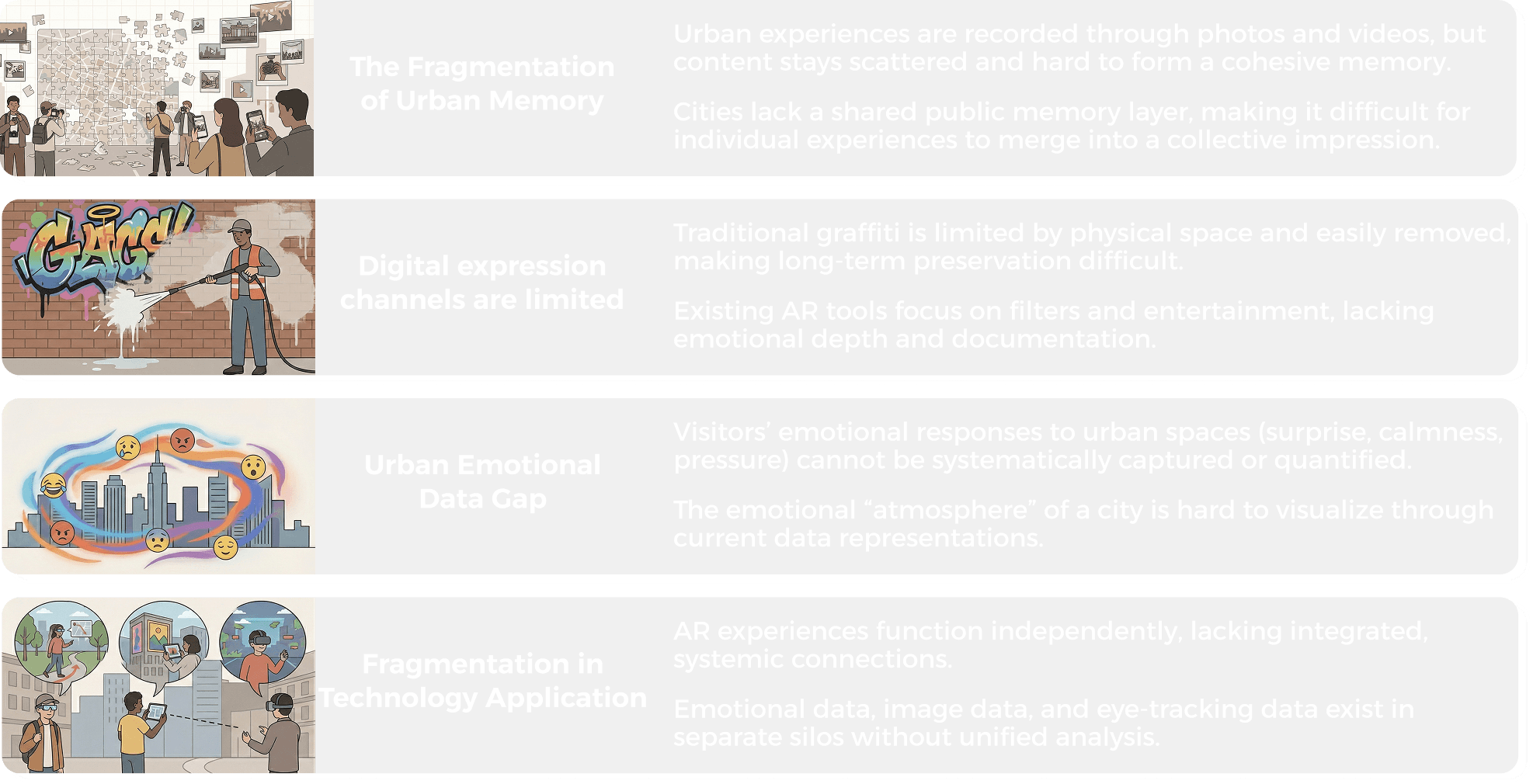
Summary and Design Implications
The pain points of modern urban experiences lie in the disconnect between physical spaces and digital memories, as well as the separation between individual expression and collective memory.

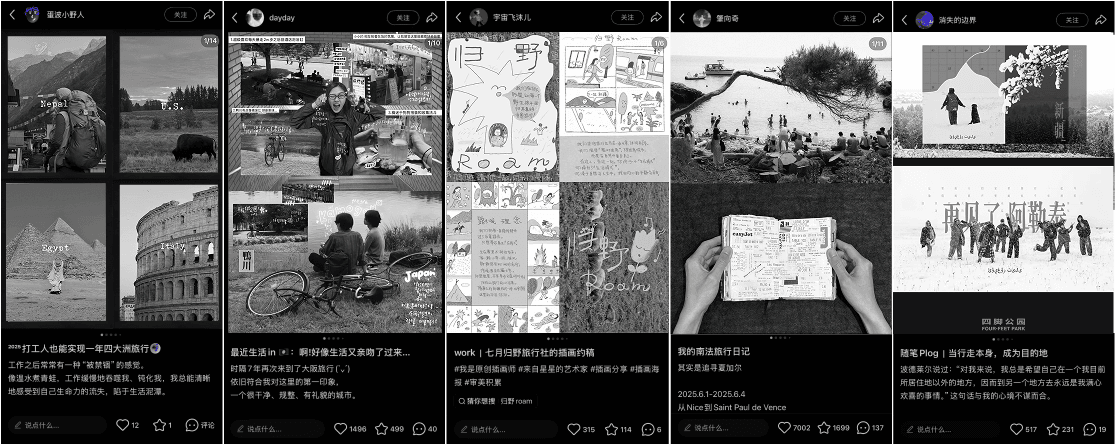
City Reviews & Travel Posts
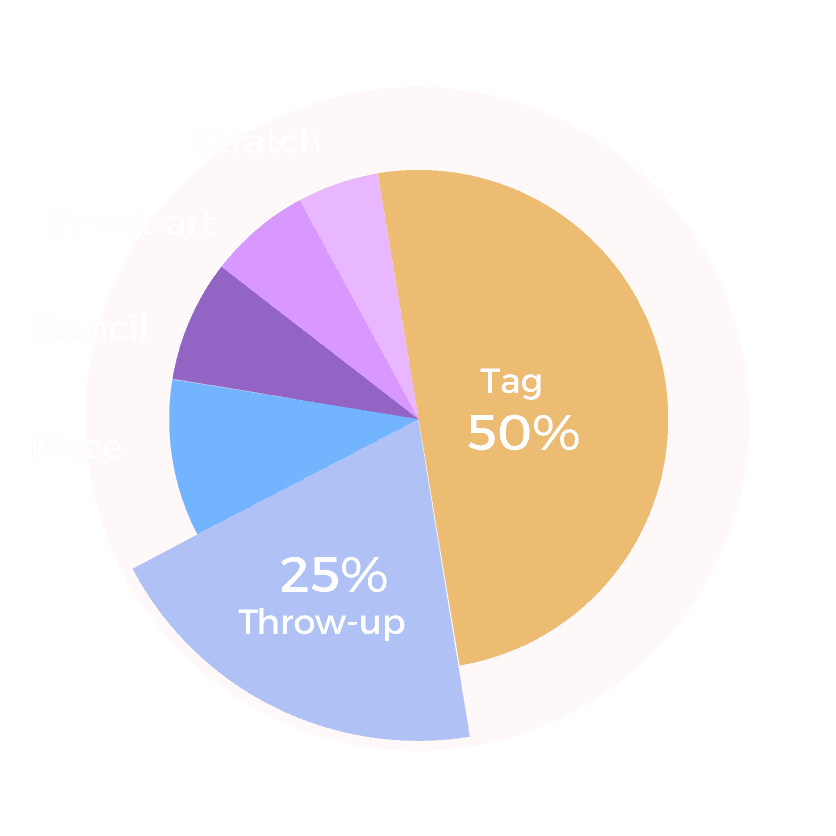
Proportion of Various Types of Graffiti

82% of Travelers Find It Difficult to Effectively Organize and Recall Their Travel Memories.
Foundational Theory
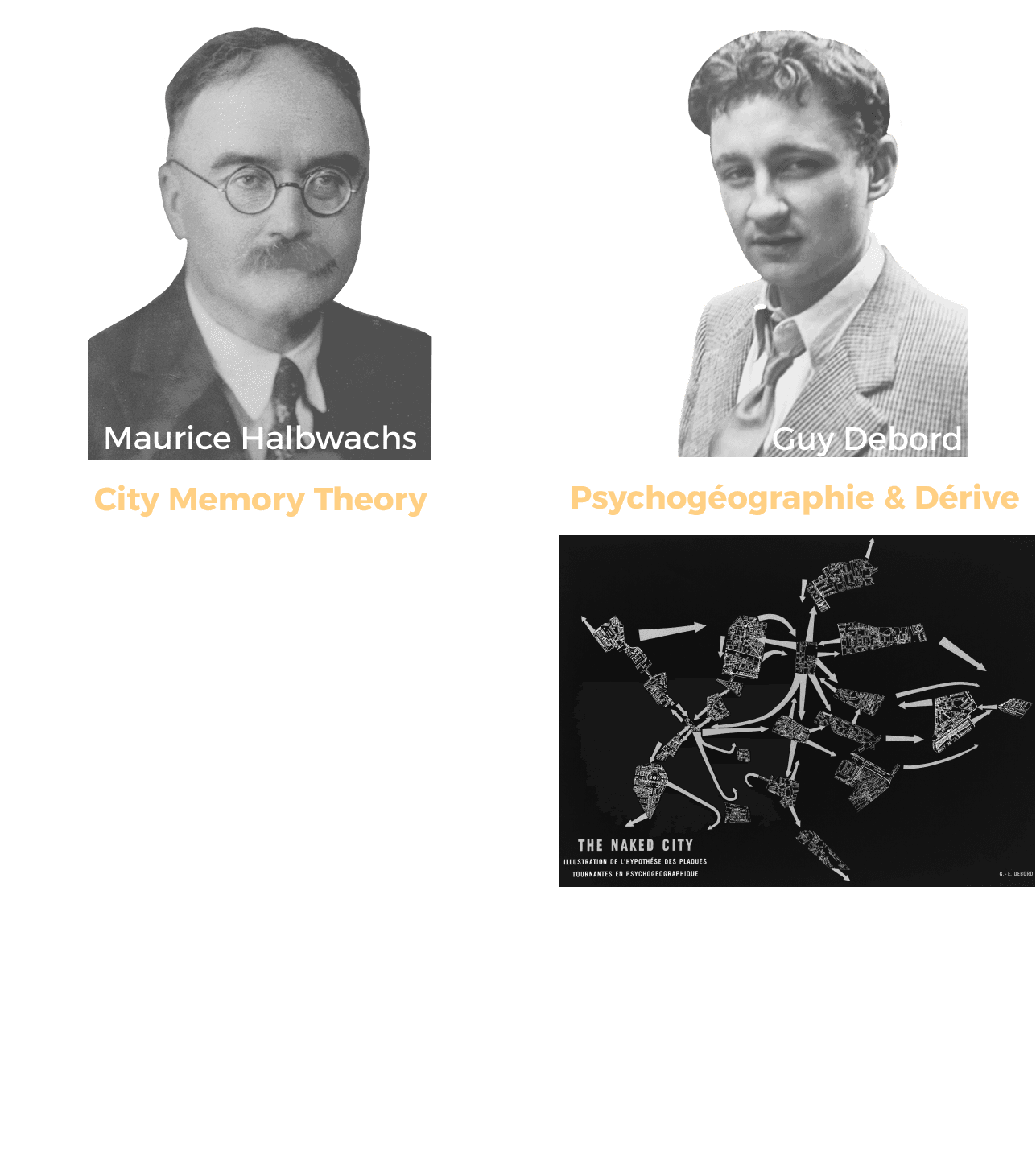
Foundational Prototype

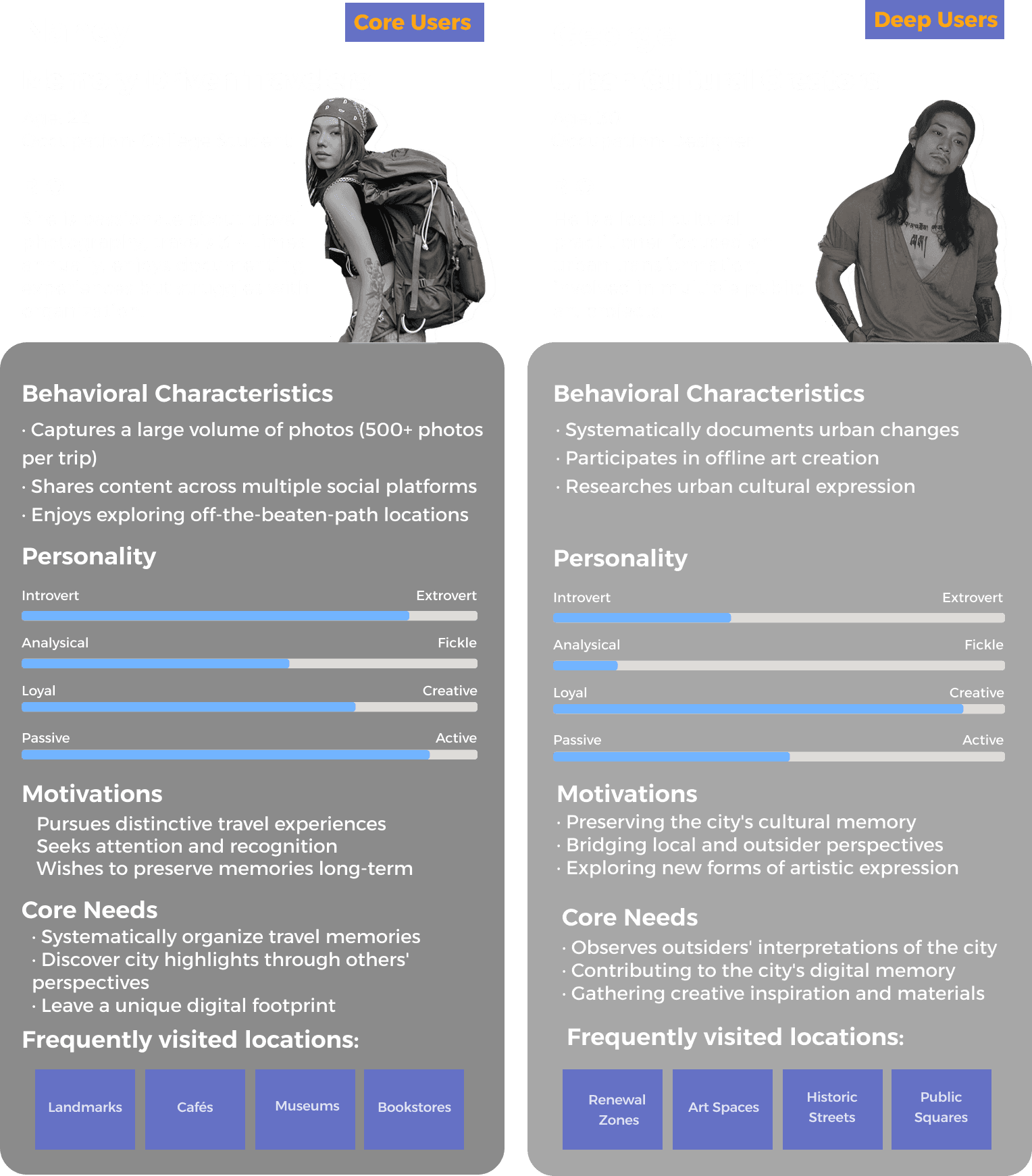
Persona
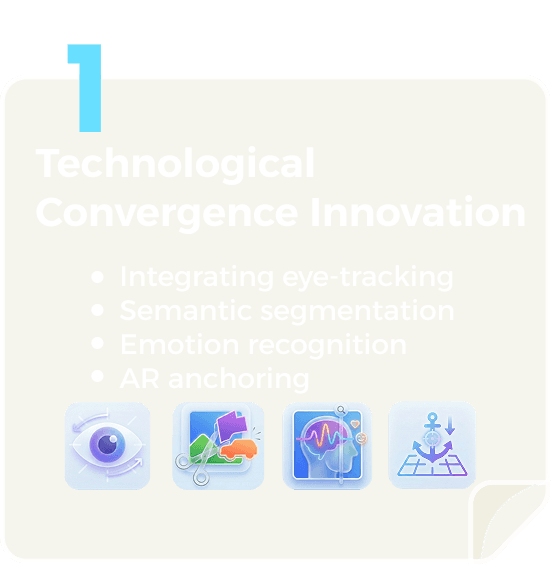
Design Objectives
The pain points of modern urban experiences lie in the disconnect between physical spaces and digital memories, as well as the separation between individual expression and collective memory. The Interaction design should focus on:
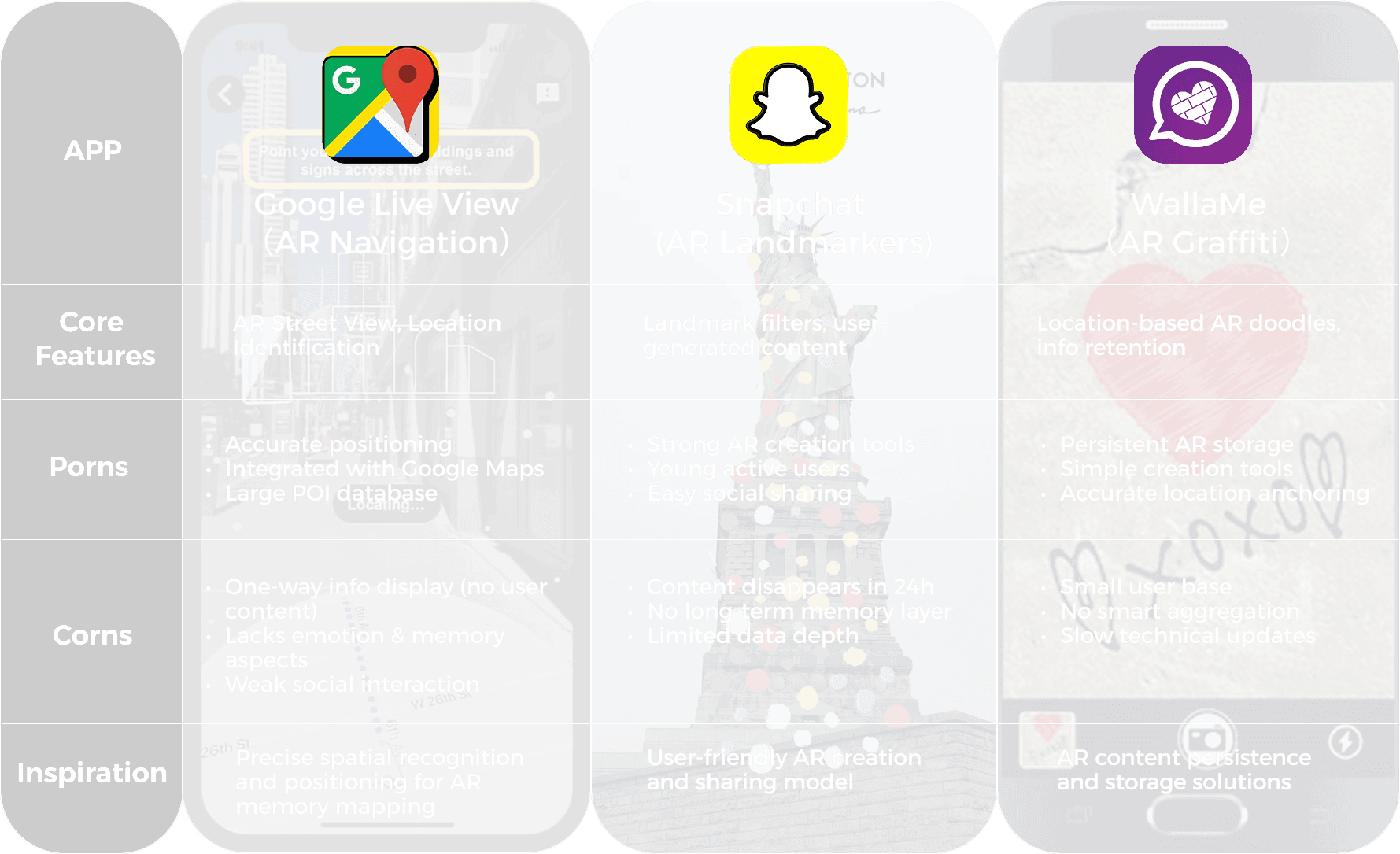
Competitive Analysis
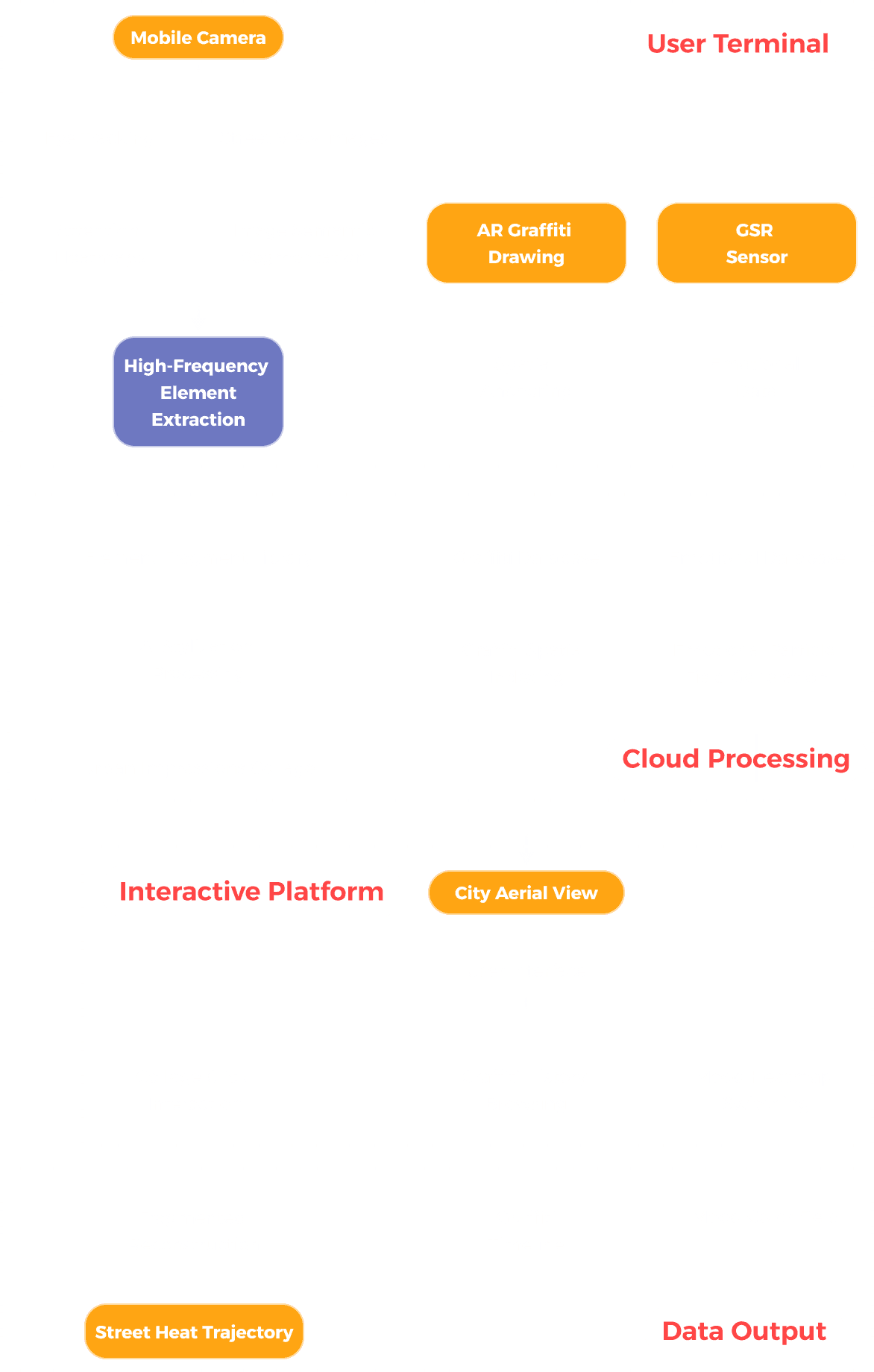
User Flow Chart
AR Functionality Framework
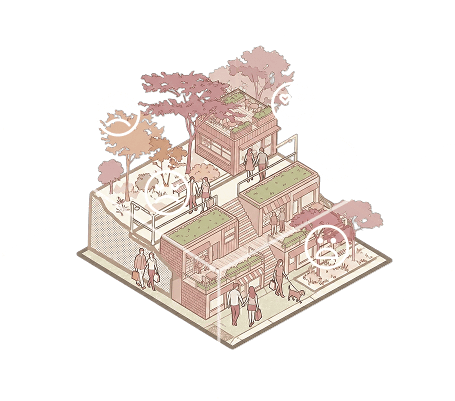
1.User Wandering
Through the City
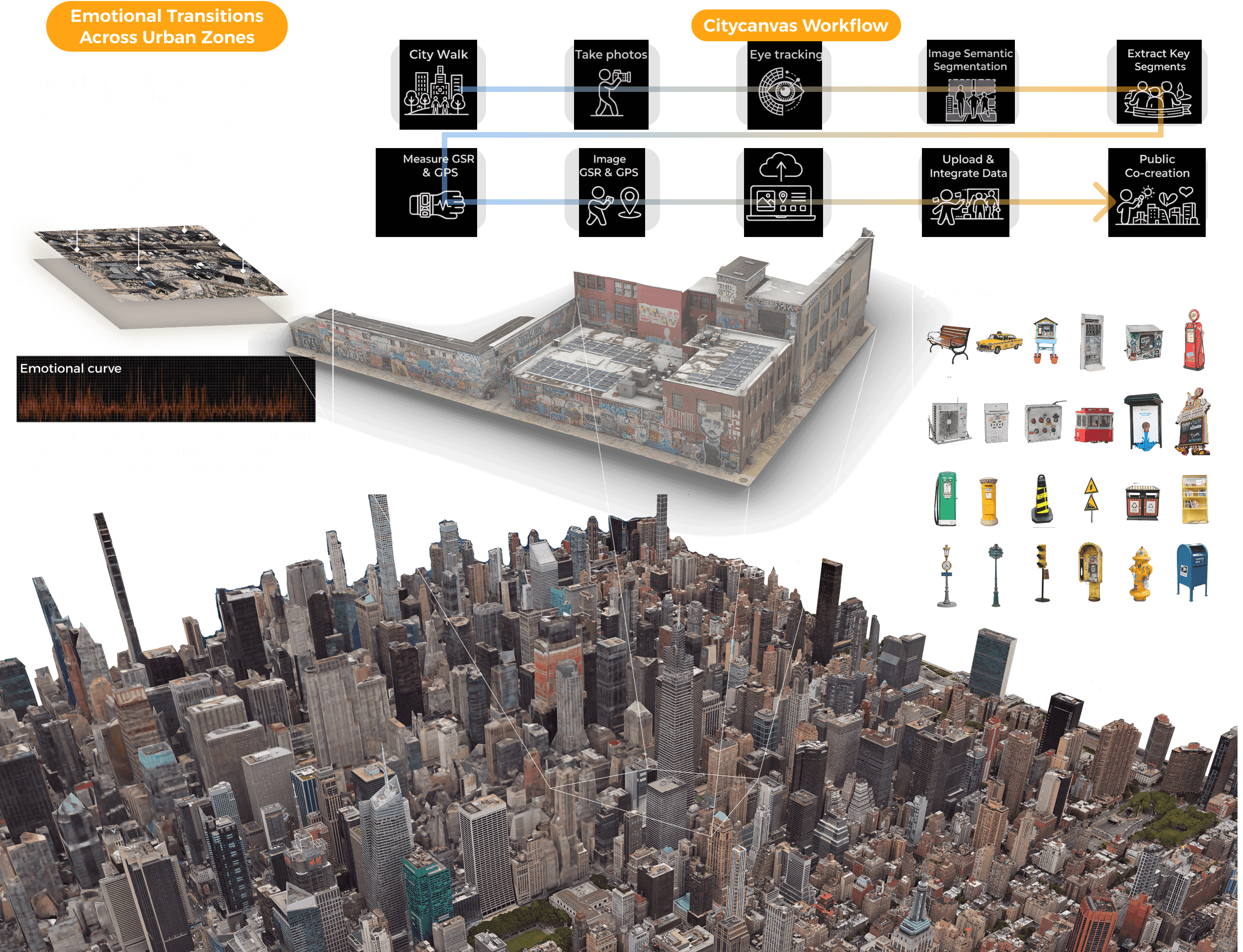
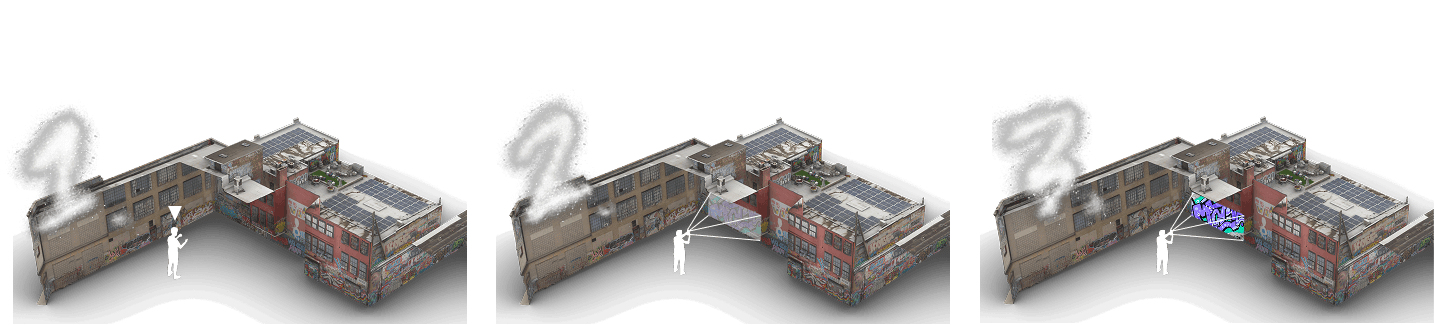
Users start capture with one tap while walking, as the system records attention, scenes, and emotions.
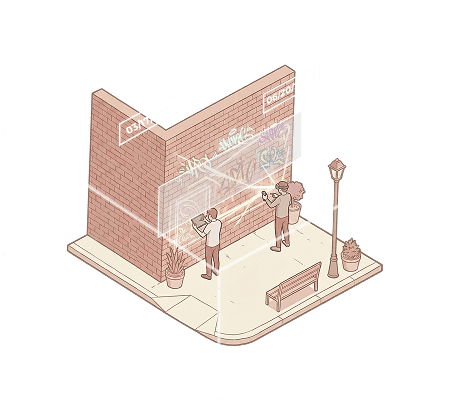
2.On-site
AR Graffiti Creation
AR graffiti is anchored to specific places and moments for long-term revisit.
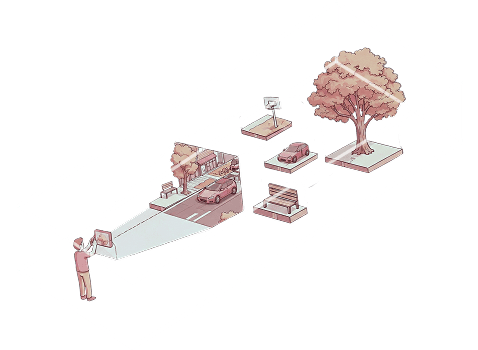
3.Scene Capture
& Element Extraction
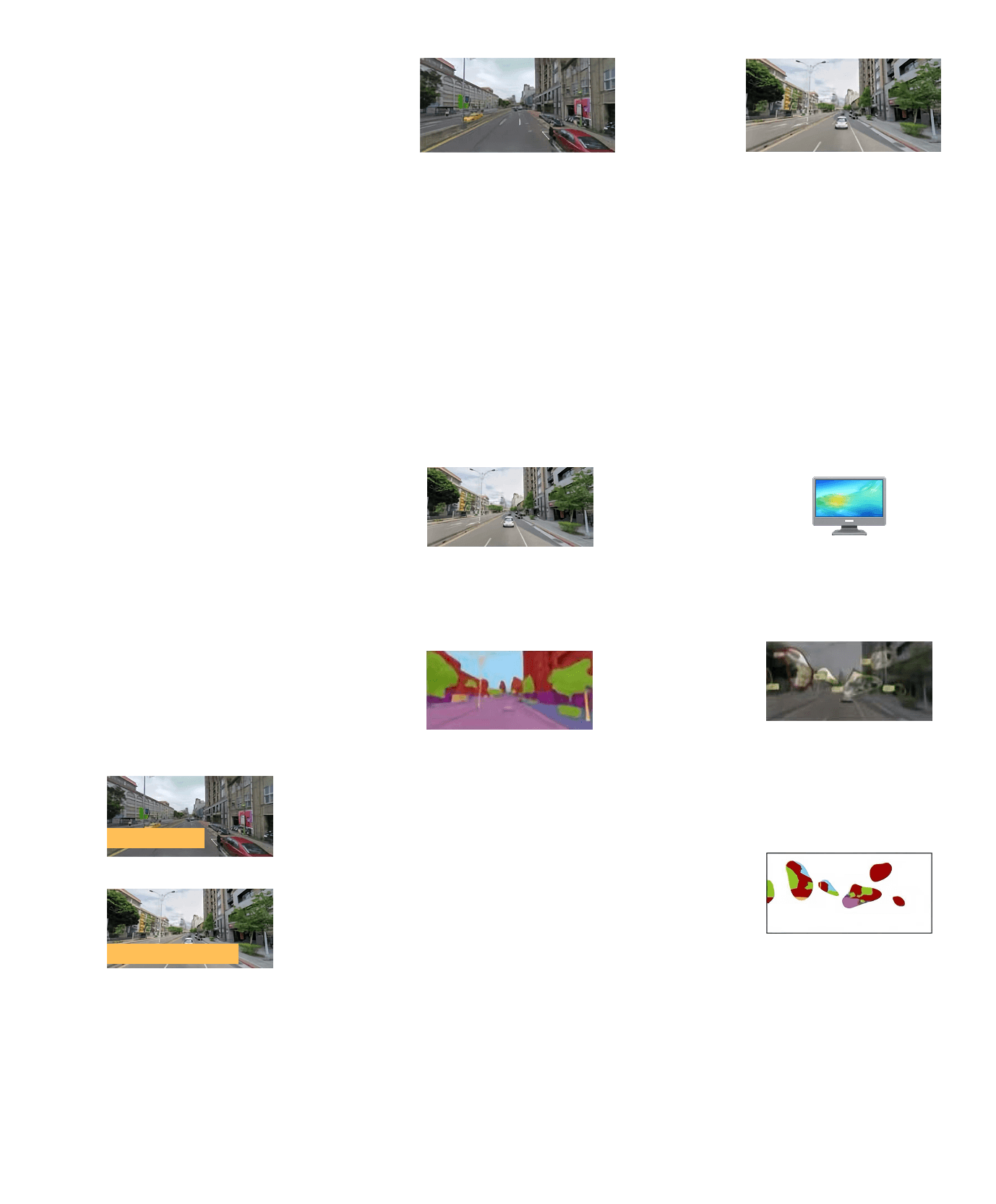
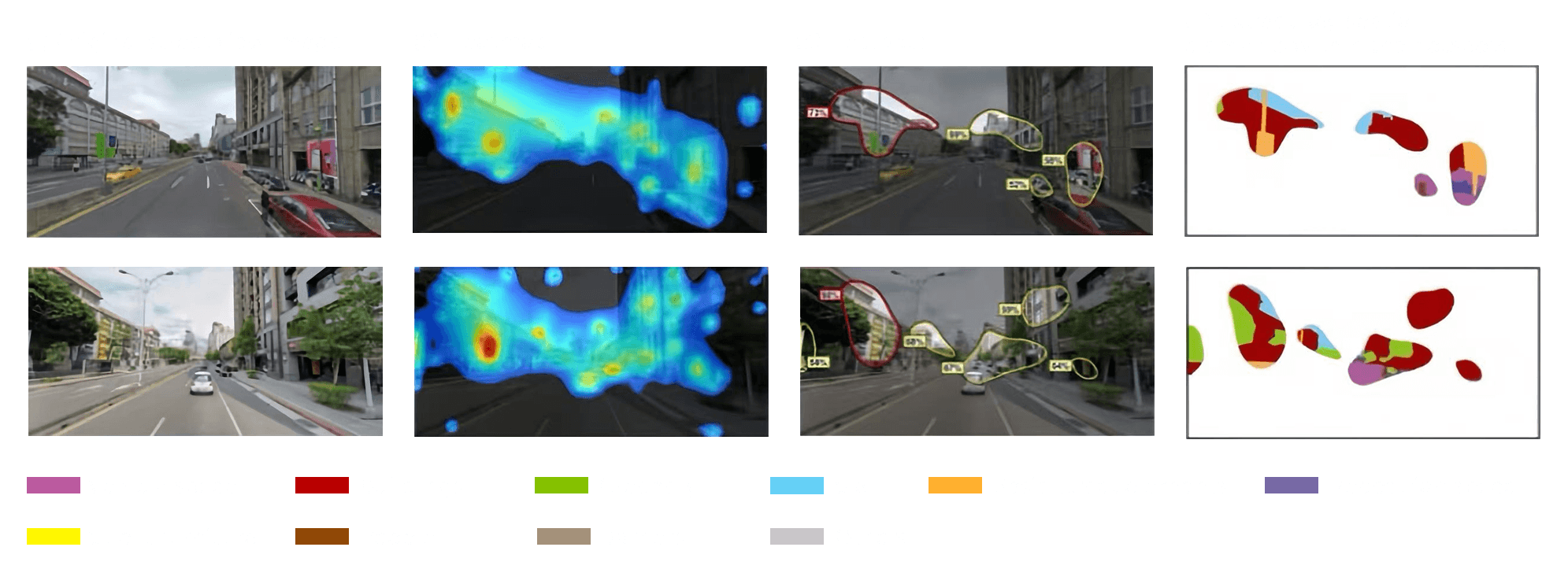
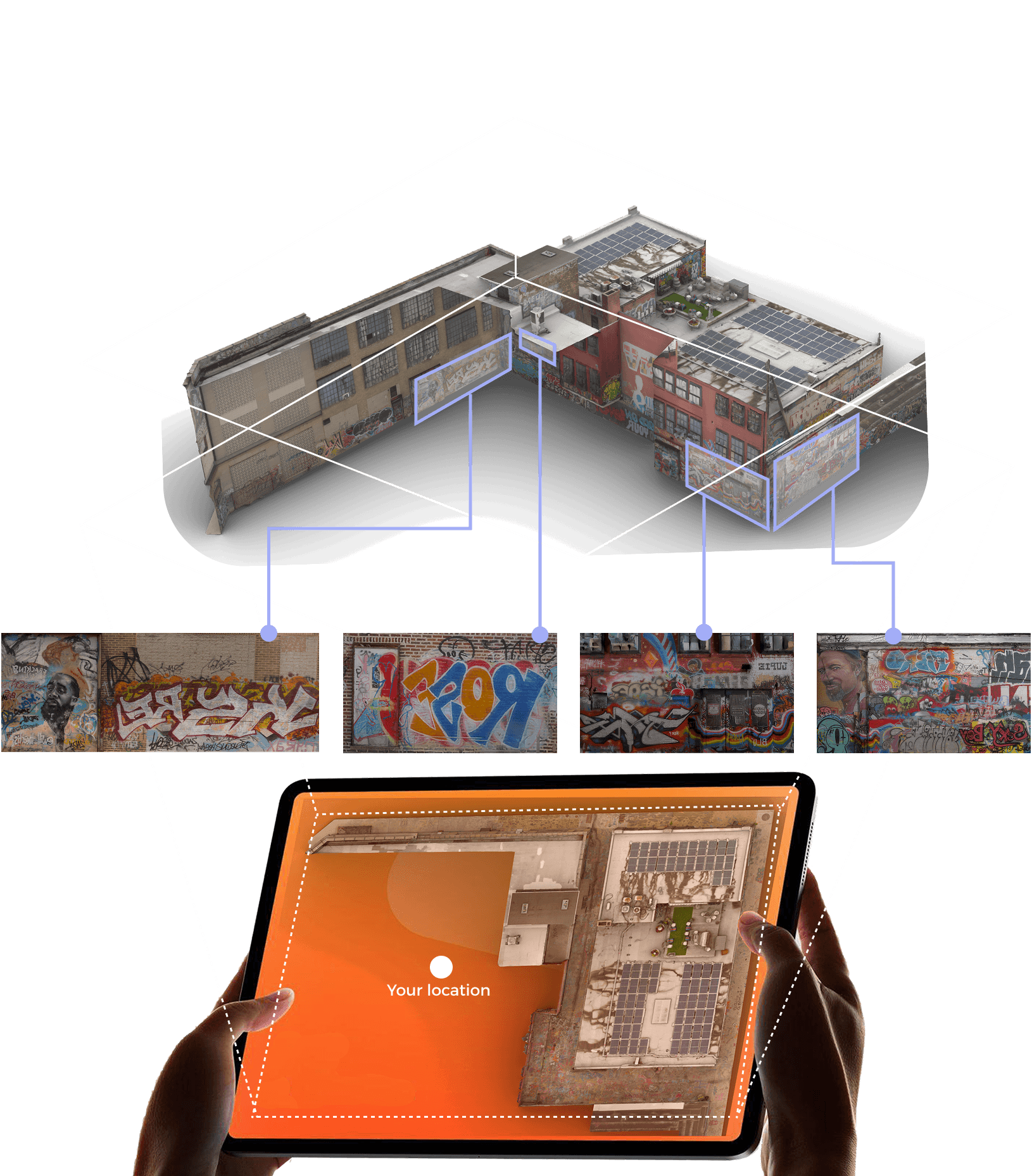
Street scenes are segmented using attention data to extract frequently viewed elements as reusable units.
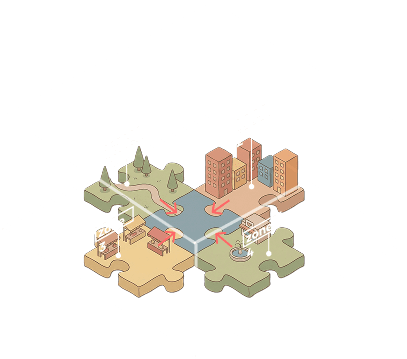
4.Neighborhood
Impression Collage
Users start capture with one tap while walking, as the system records attention, scenes, and emotions.
Attention Block Analysis Percentage
Points of interest receive longer visual attention and are extracted as memorable fragments.
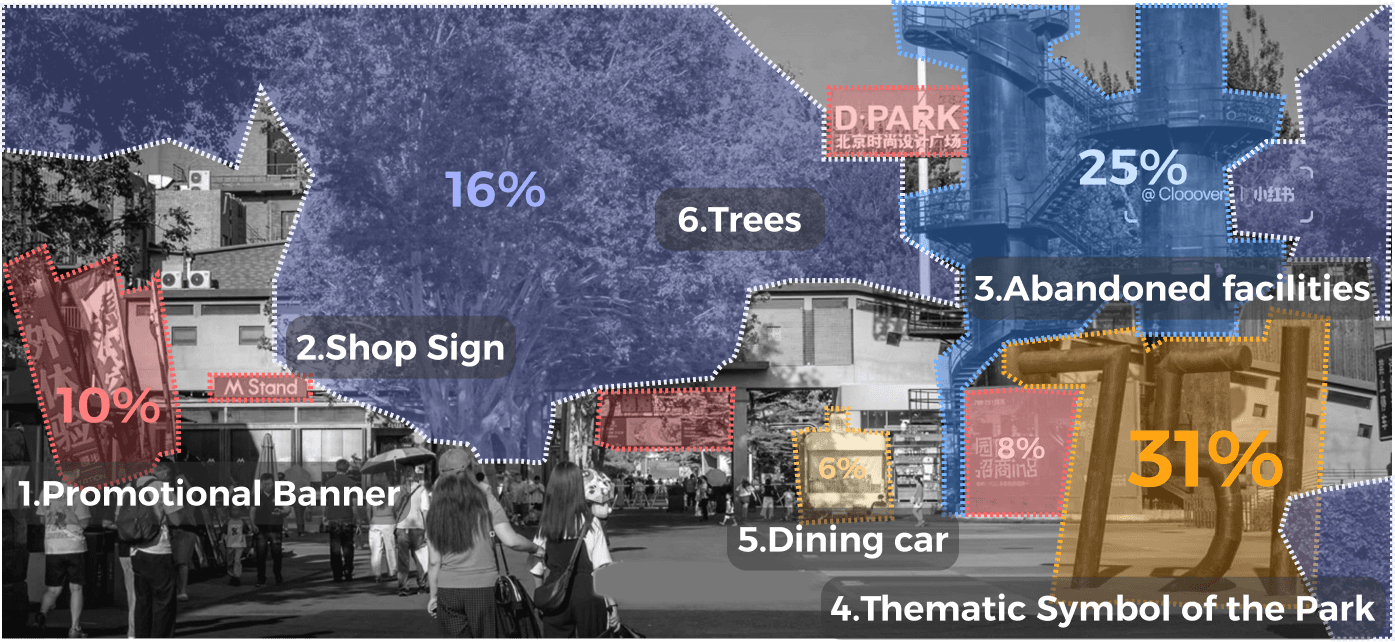
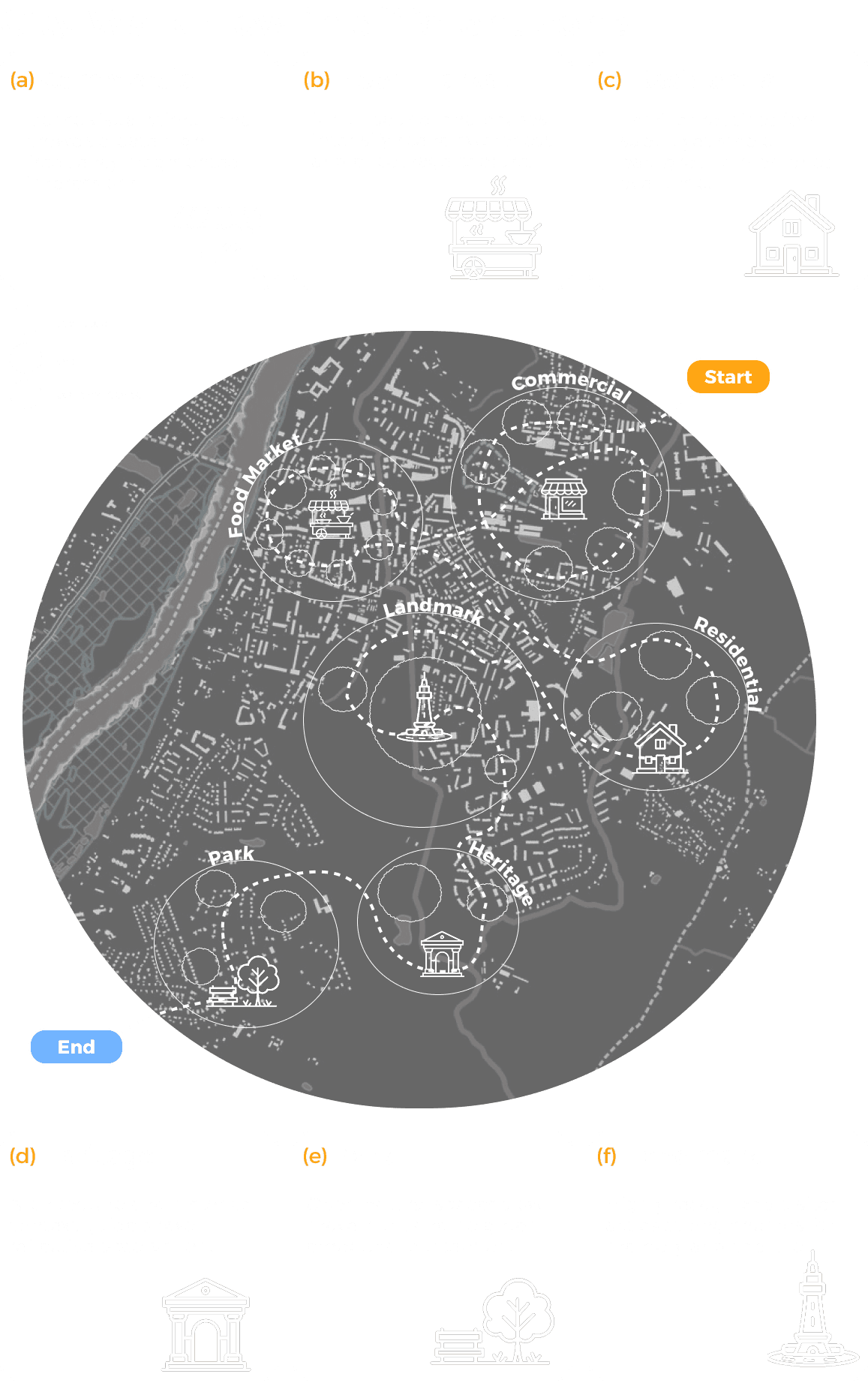
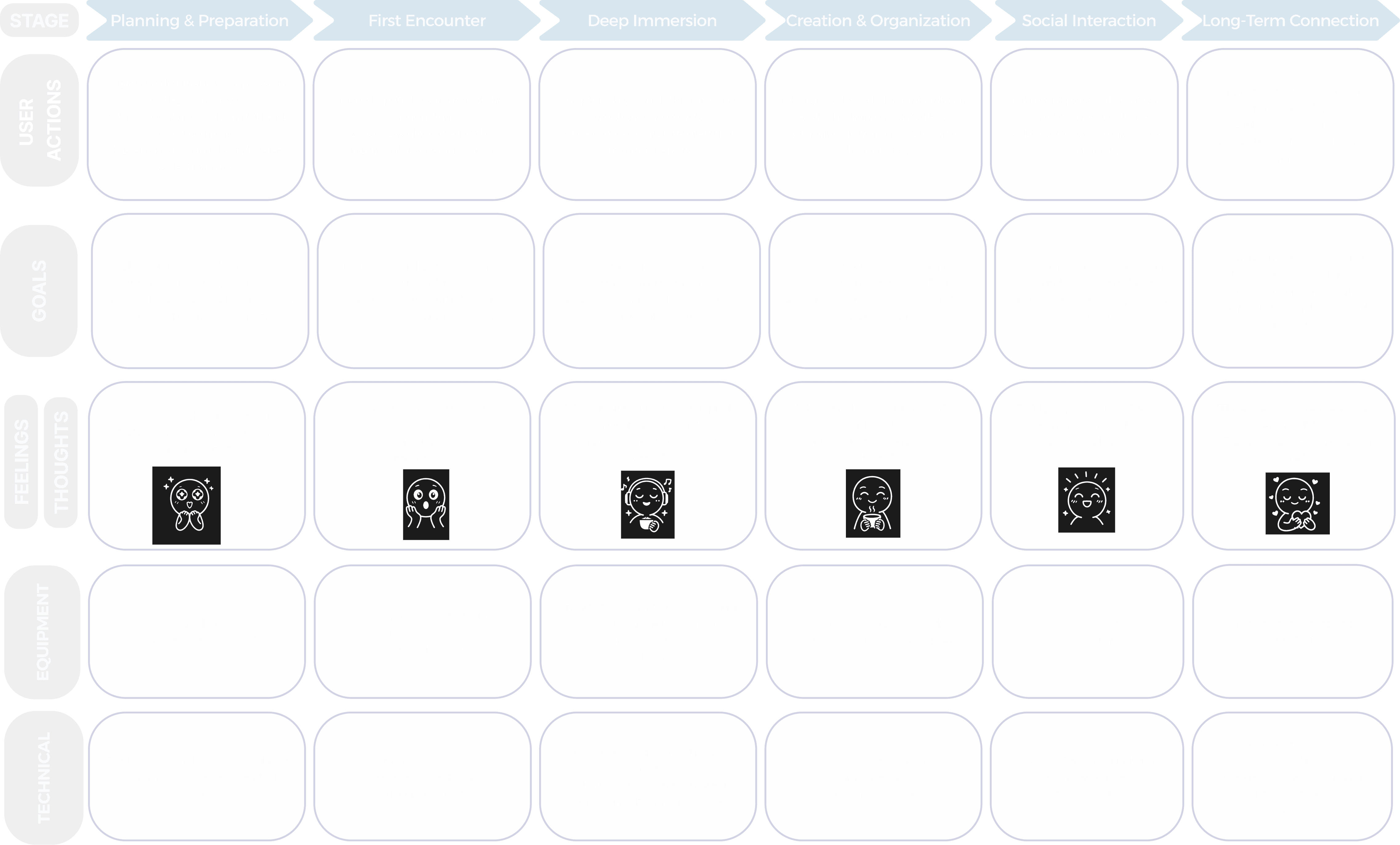
Image Semantics / Ardunio / Eye tracking
Prototype Description

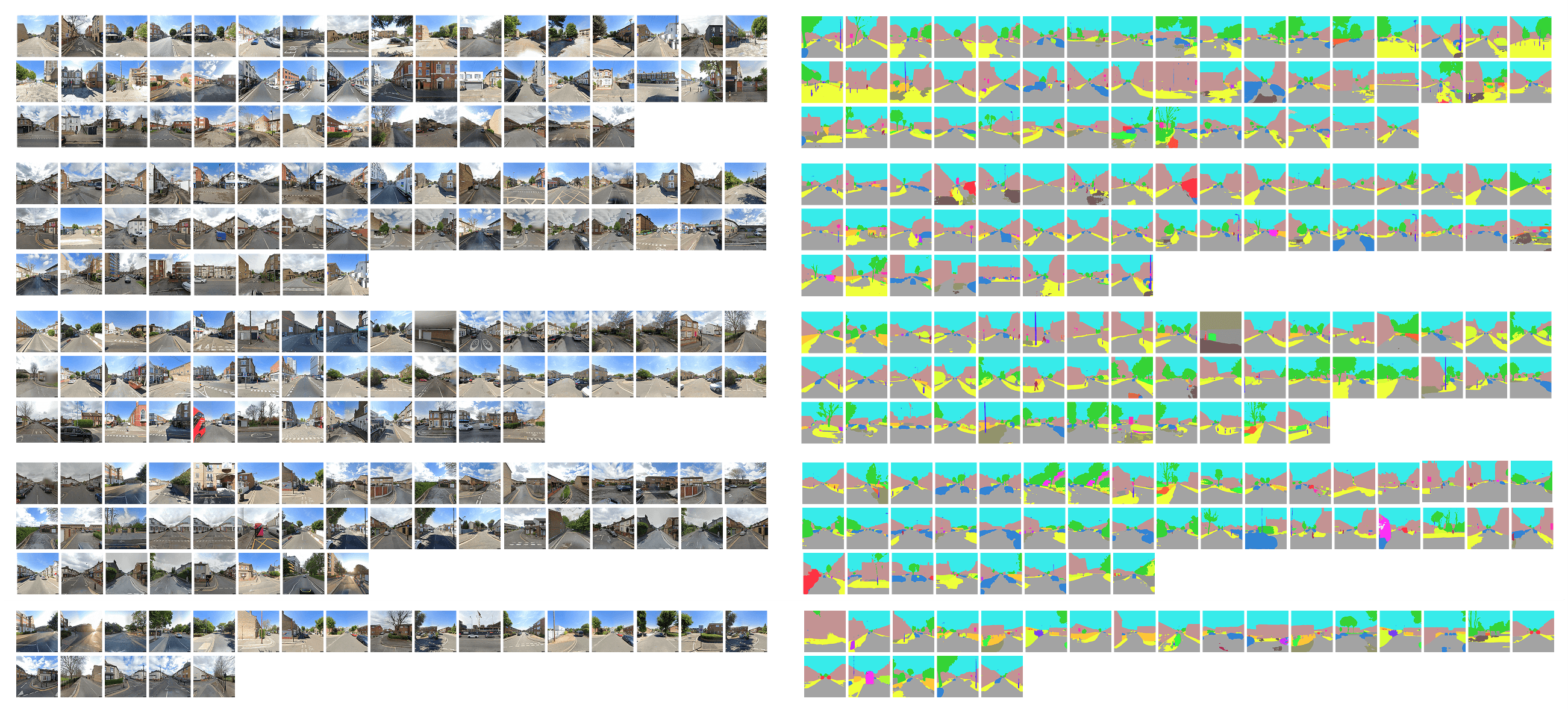
Dataset
Interaction Flow
Step 1-Capture: The user photographs or records meaningful scenes while walking through the city.
Step 2-Attention Ranking: Visual elements encountered during the walk are ranked based on the user’s level of attention.
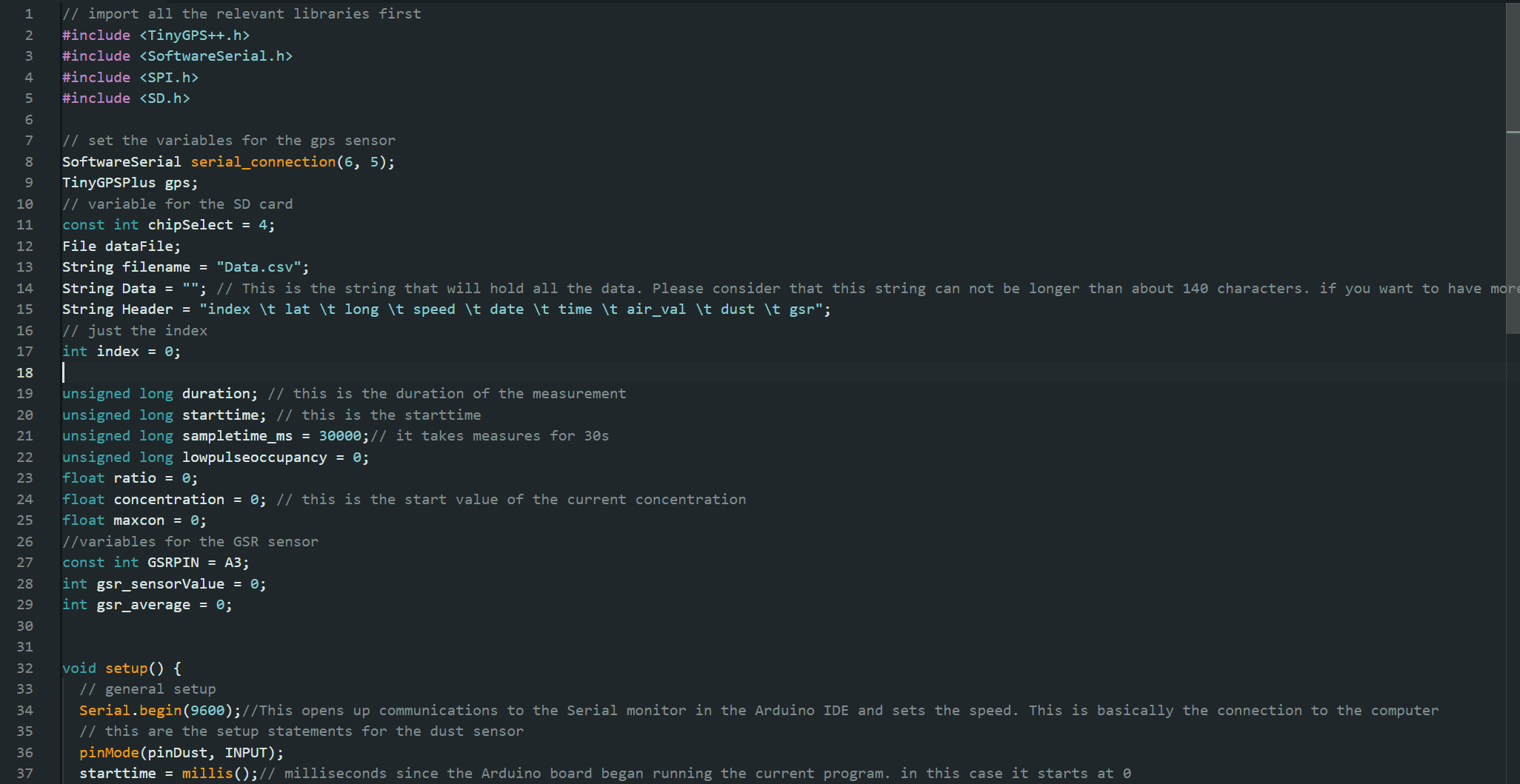
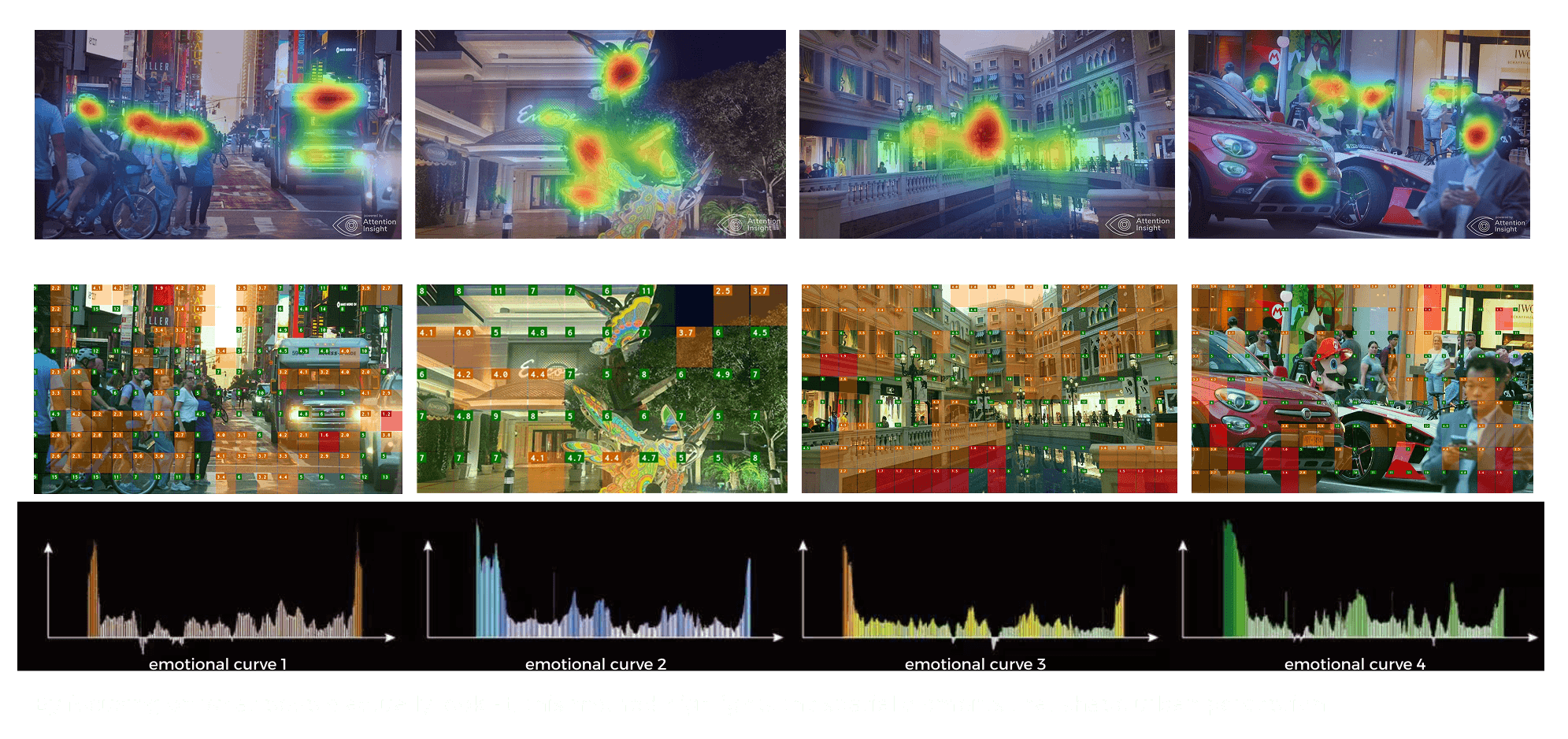
Step 3-Emotion Tracking: A GSR device records real-time emotional changes and location data.
Step 4-Data Mapping: High-attention moments are matched with emotional peaks and uploaded to the platform.

GSR Emotion Data Extraction
GSR Emotion Data Extraction
Image Semantic Segmentation
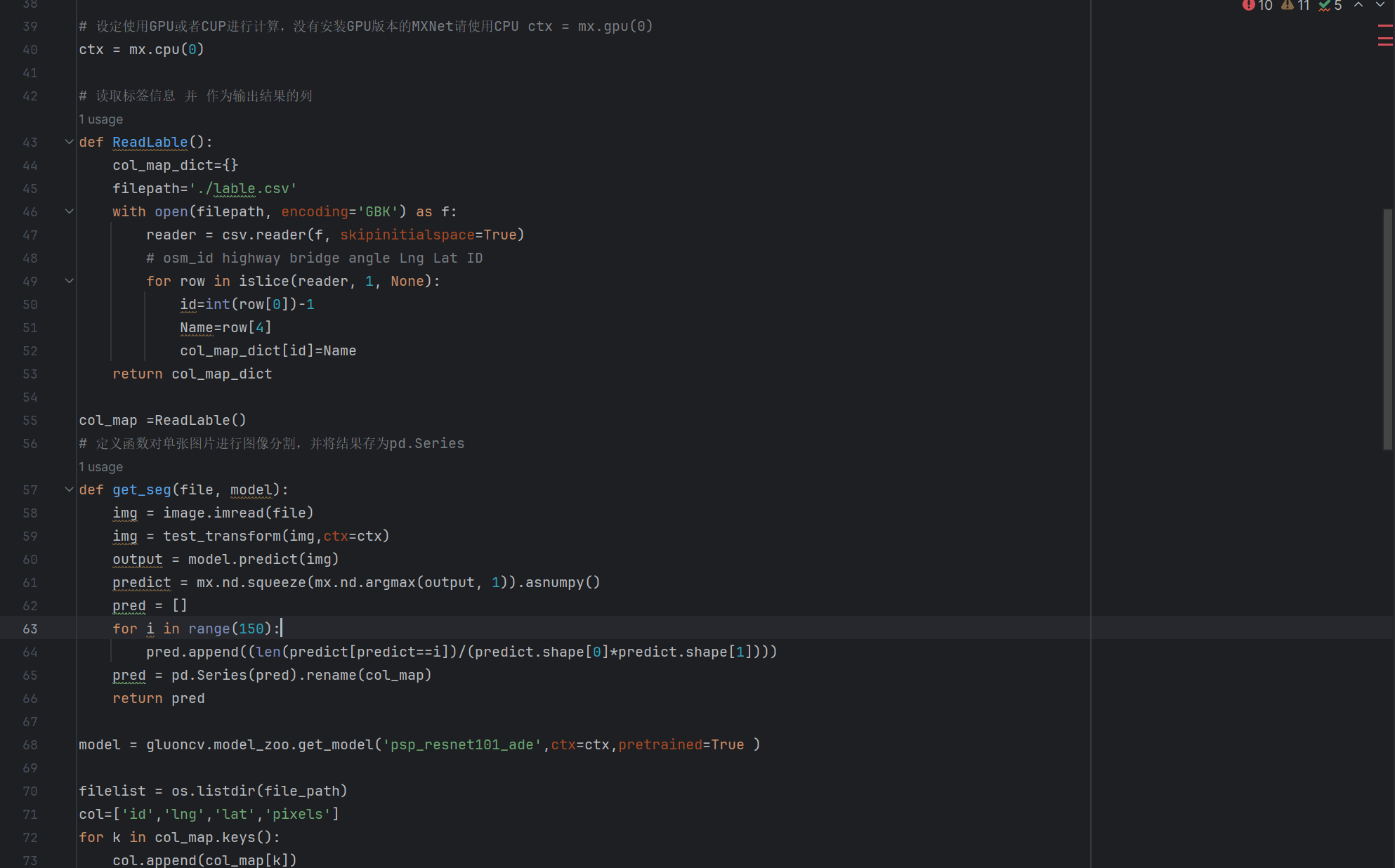
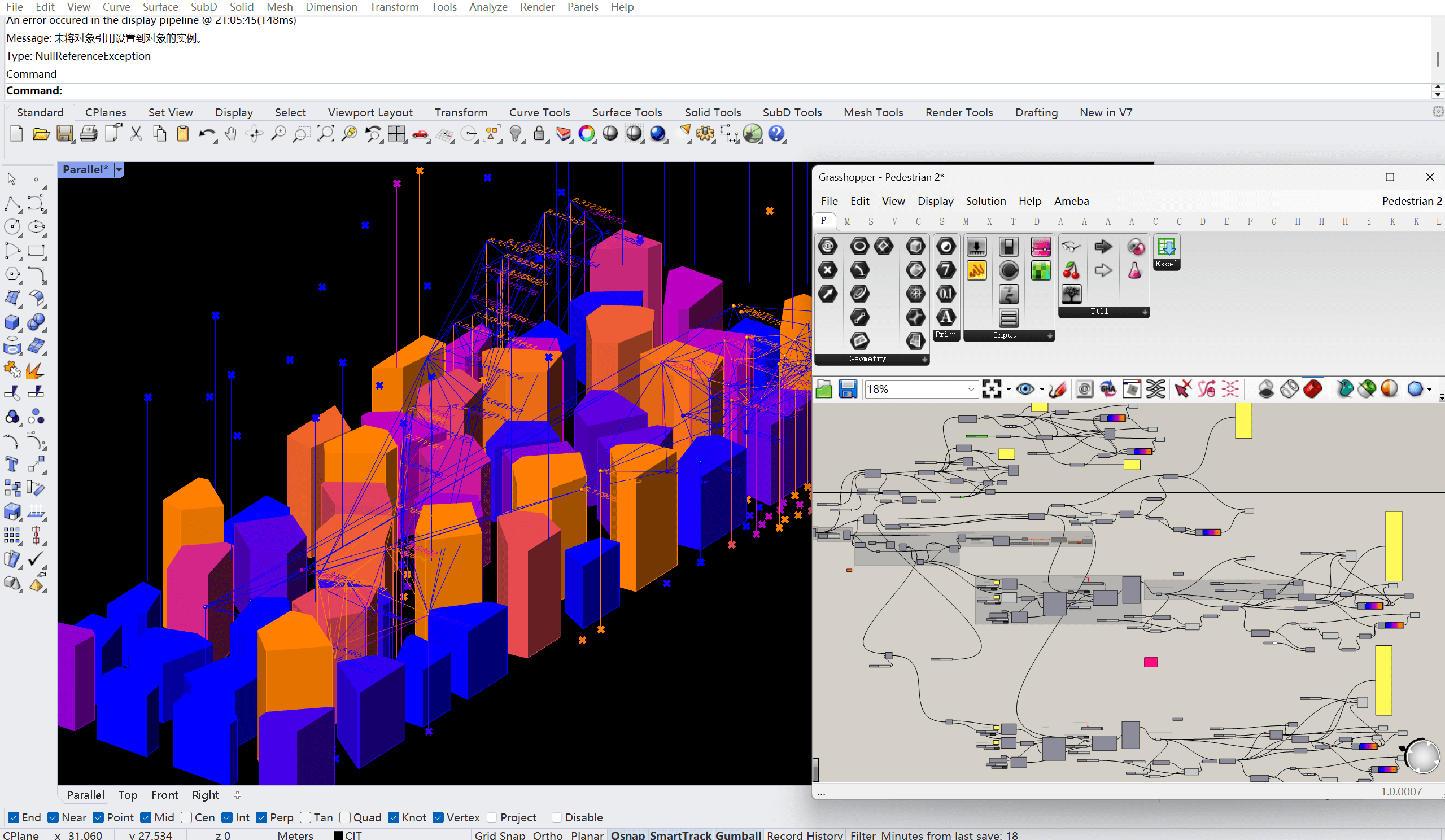
Grasshopper visualization
Key Scene Element Extraction
Visual heatmaps are used to identify attention hotspots and extract the spatial elements people focus on most.
Attention Hotspot Distribution Map
Capturing the View During the Tourist's Journey
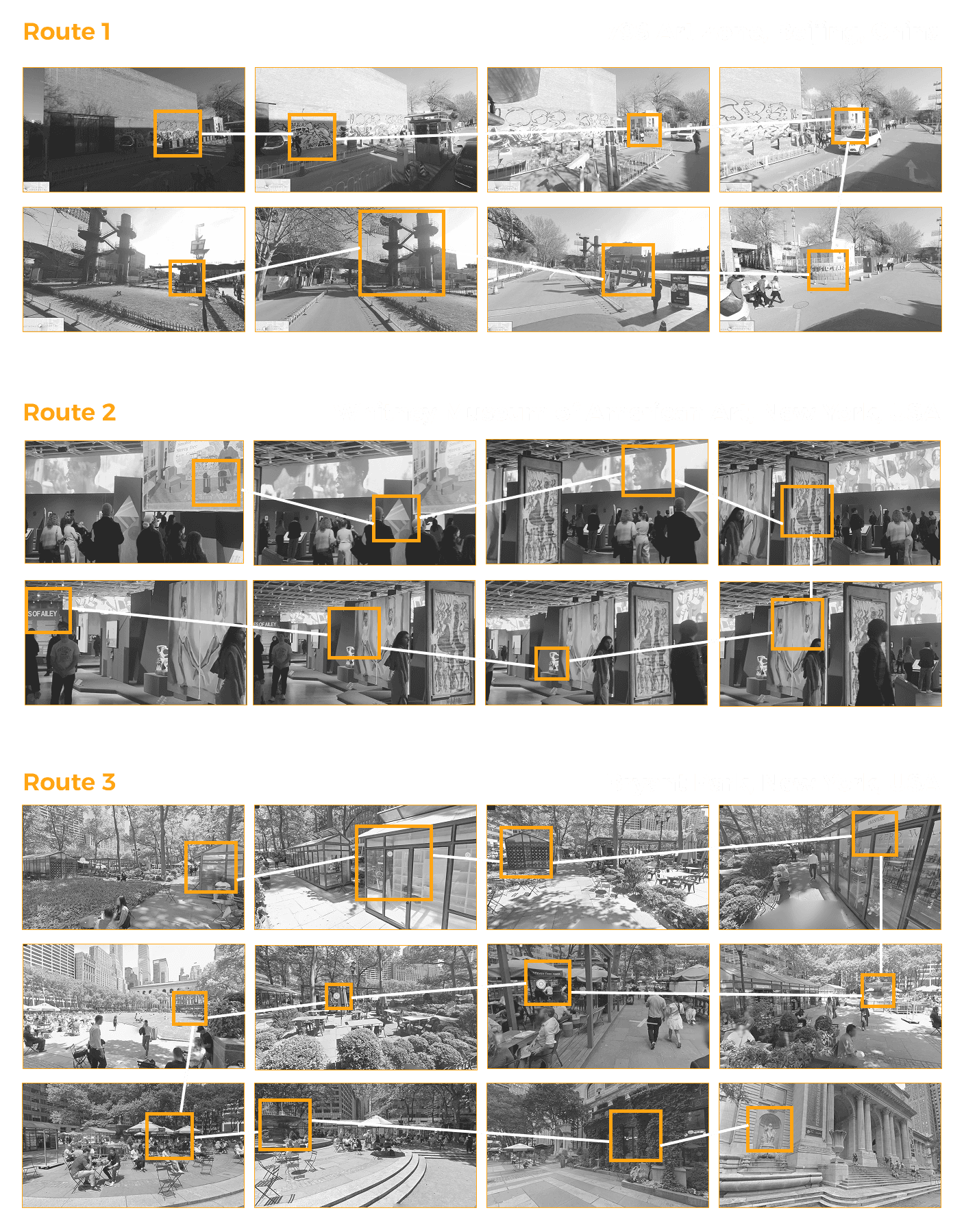
Fragments of Urban Impressions
AR Street Corner Graffiti
see also