The Place of Stillness
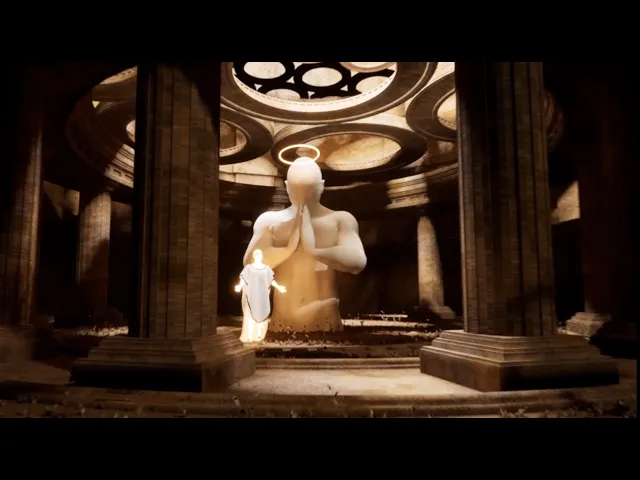
A narrative game framed as a “healing center” but built on cult-style psychological manipulation. Gentle language and collective rituals subtly reshape the player’s perception and sense of self step by step.
The documentary Undercover for 30 Days: Inside a South Korean Cult reveals how “spiritual healing” and “personal growth” can mask psychological manipulation. Through soft language and collective rituals, individuals surrender their judgment, believing “it’s for your own good.”
This aligns perfectly with my mother's belief in Nagin Bilig's "mind-body interaction therapy"—she chose to cling to the conviction that meditation could cure all ills, refusing all medical treatment when her condition worsened and delaying proper care. I realized that control often hides not in overt power, but in the guise of caring guidance.

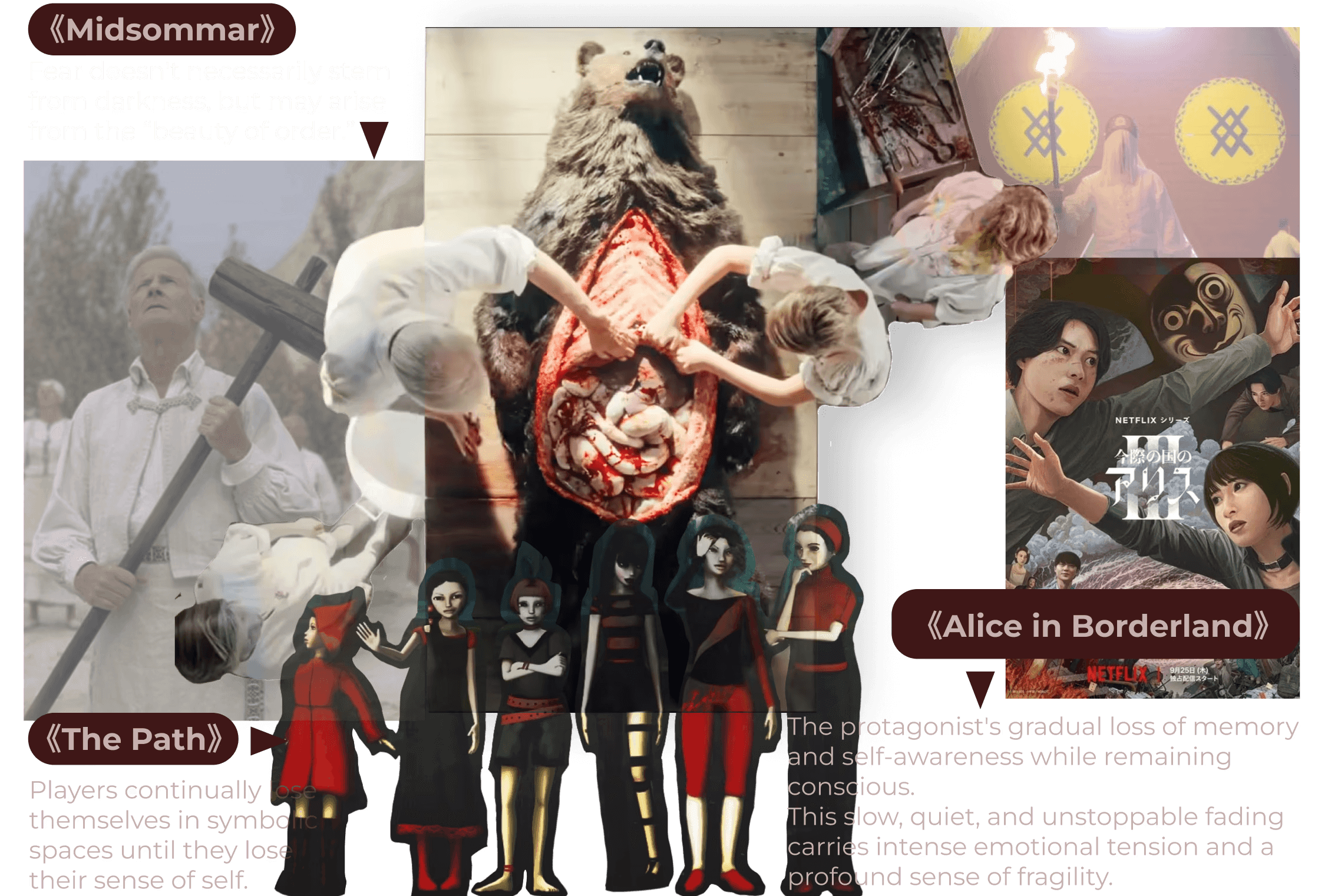
Narrative & Game Inspirations
Definition
A cult refers to an illegal organization established under the guise of religion, qigong, or other pretexts, which deifies its leaders, deceives and misleads others through fabricating and spreading superstitious and heretical doctrines, recruits and controls members, and endangers society.
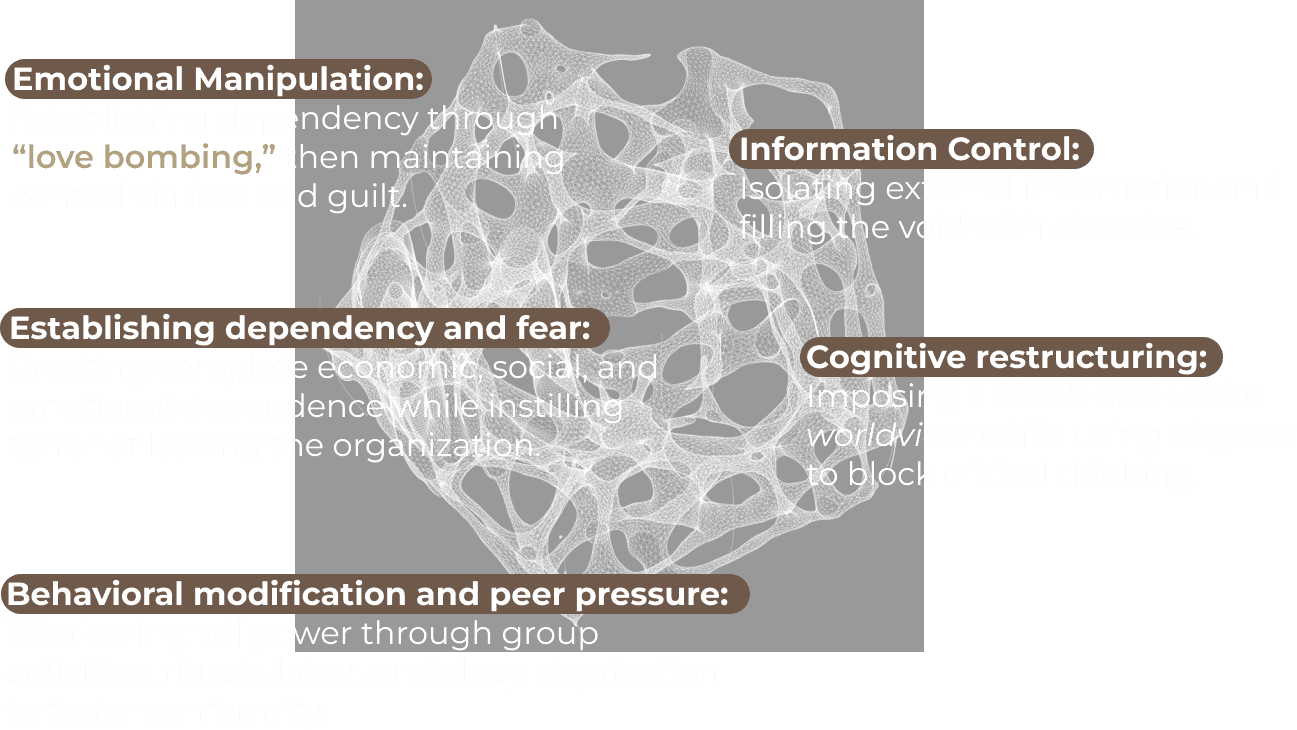
Typical Characteristics of Cult Influence
A cult refers to an illegal organization established under the guise of religion, qigong, or other pretexts, which deifies its leaders, deceives and misleads others through fabricating and spreading superstitious and heretical doctrines, recruits and controls members, and endangers society.
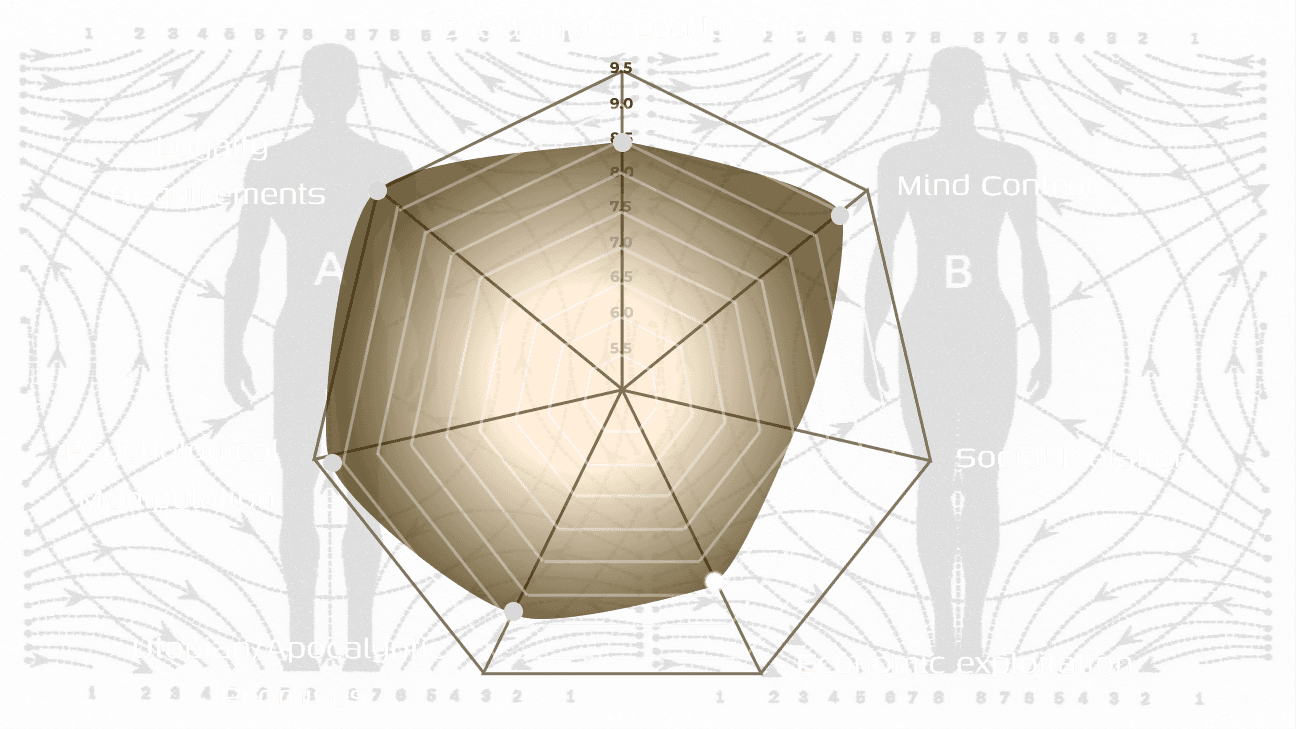
Foundational Model of Mental Control
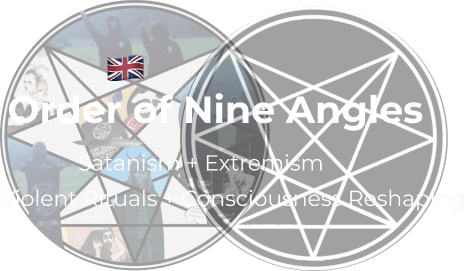
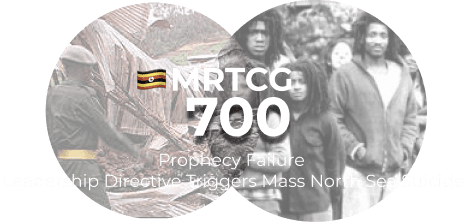
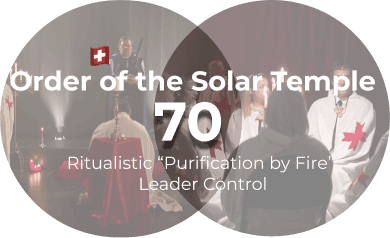
Data Chart of Damage Caused by Different Cults
Apocalyptic Cults
Framing itself as “salvation from the apocalypse,” it often incites mass suicides or violence.
Rejection of authority frequently leads to deadly conflicts.

Ritualistic Cults
Secret rituals and restraints deepen members’ spiritual submission.

Narrative Design
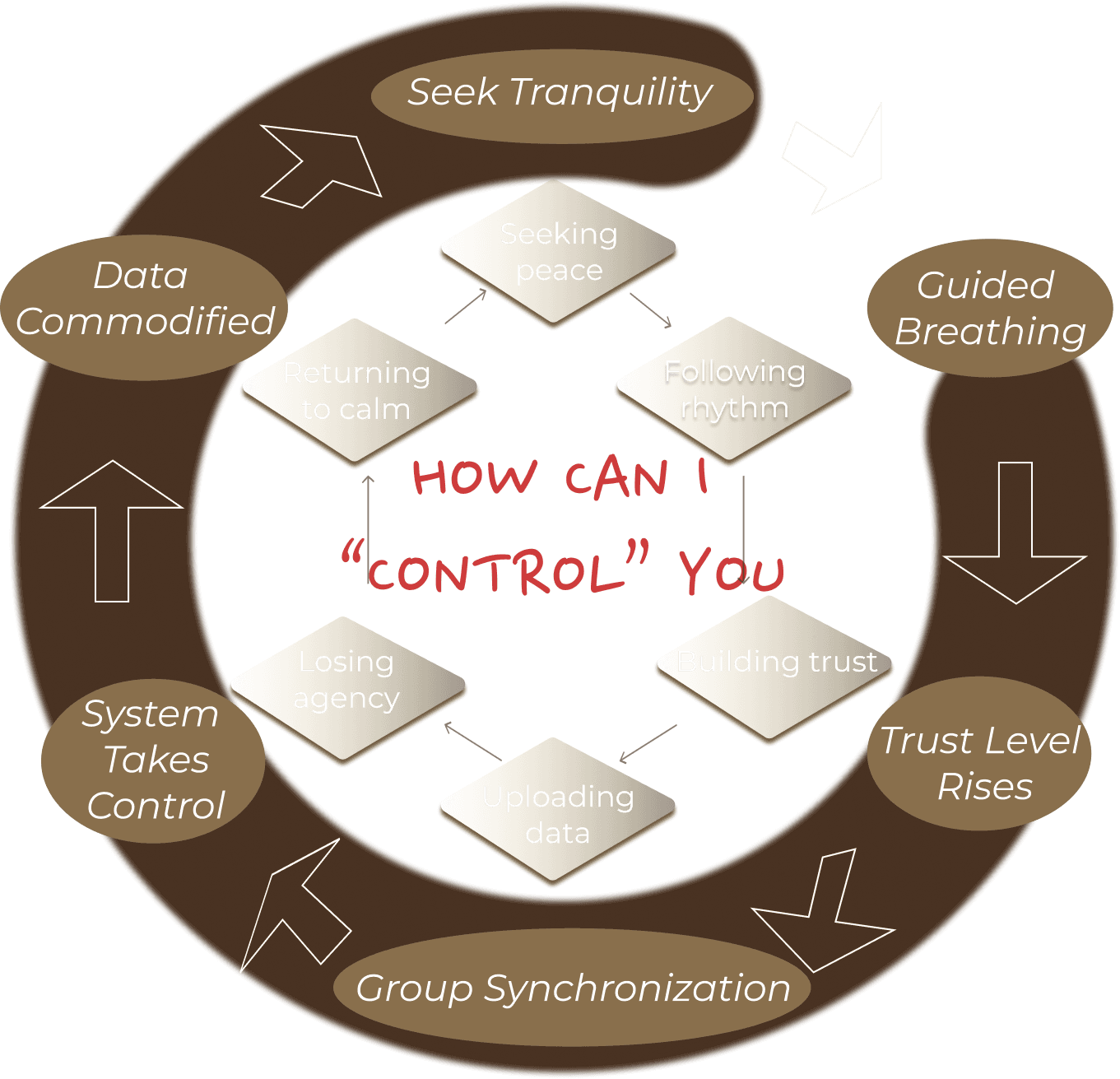
A Techno-Spiritual Allegory of the Post-Emotion Age In a world that worships calmness, trust becomes a tool of control.
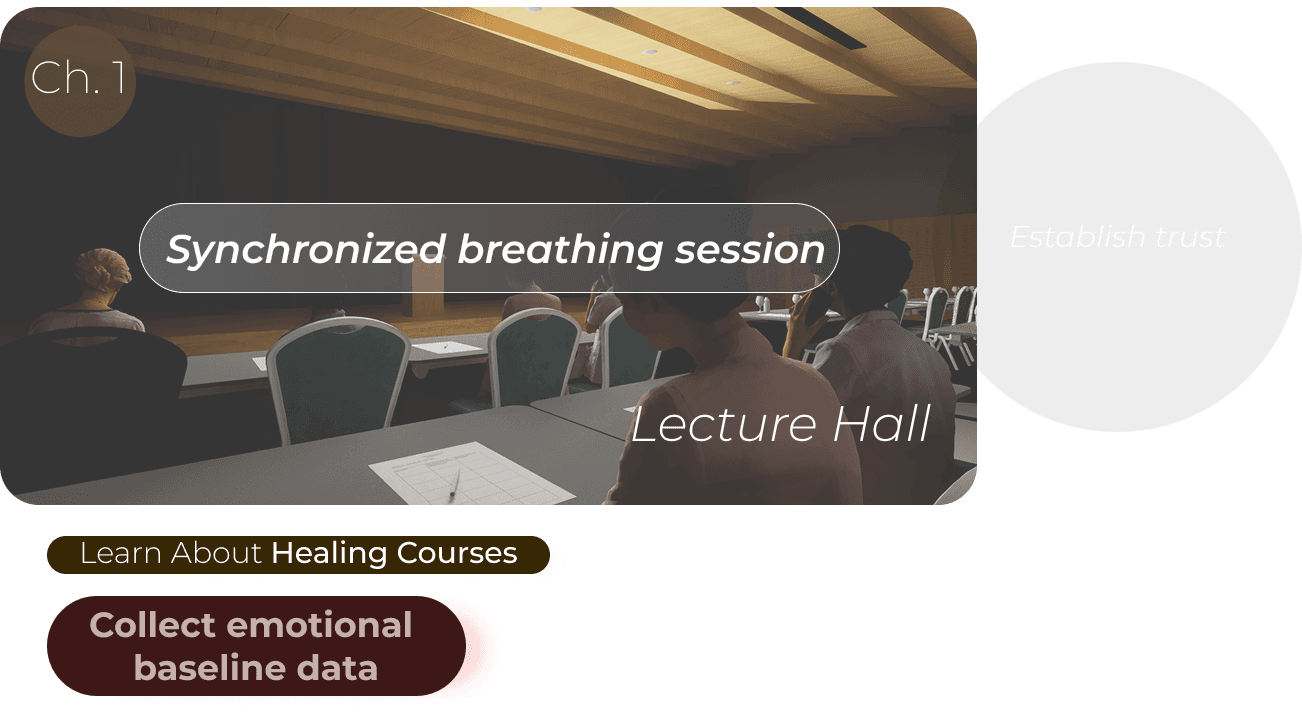
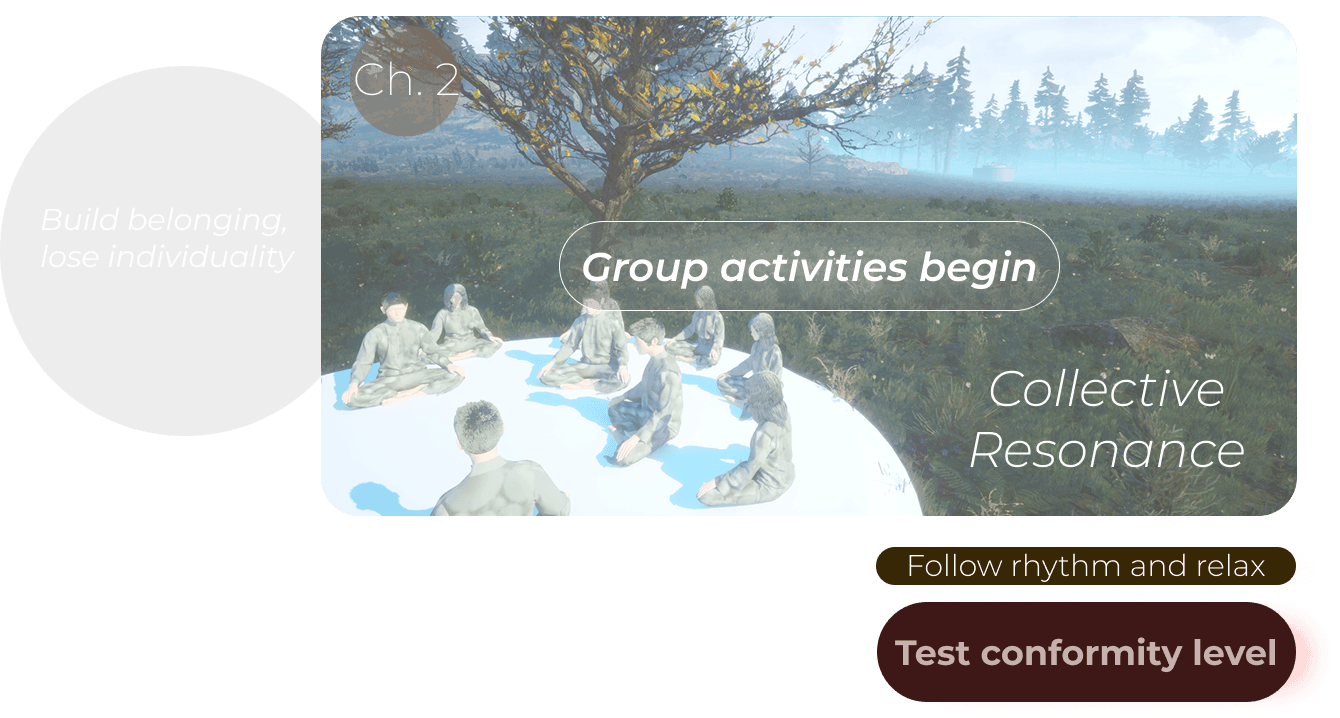
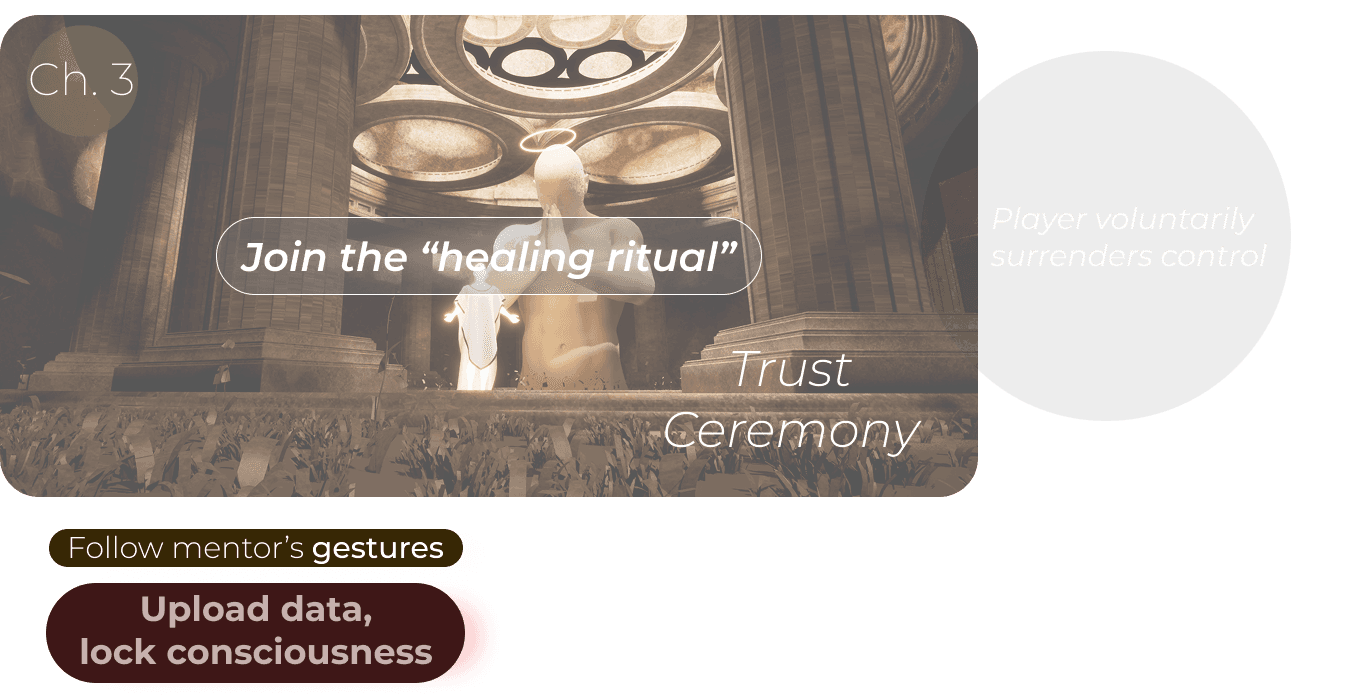
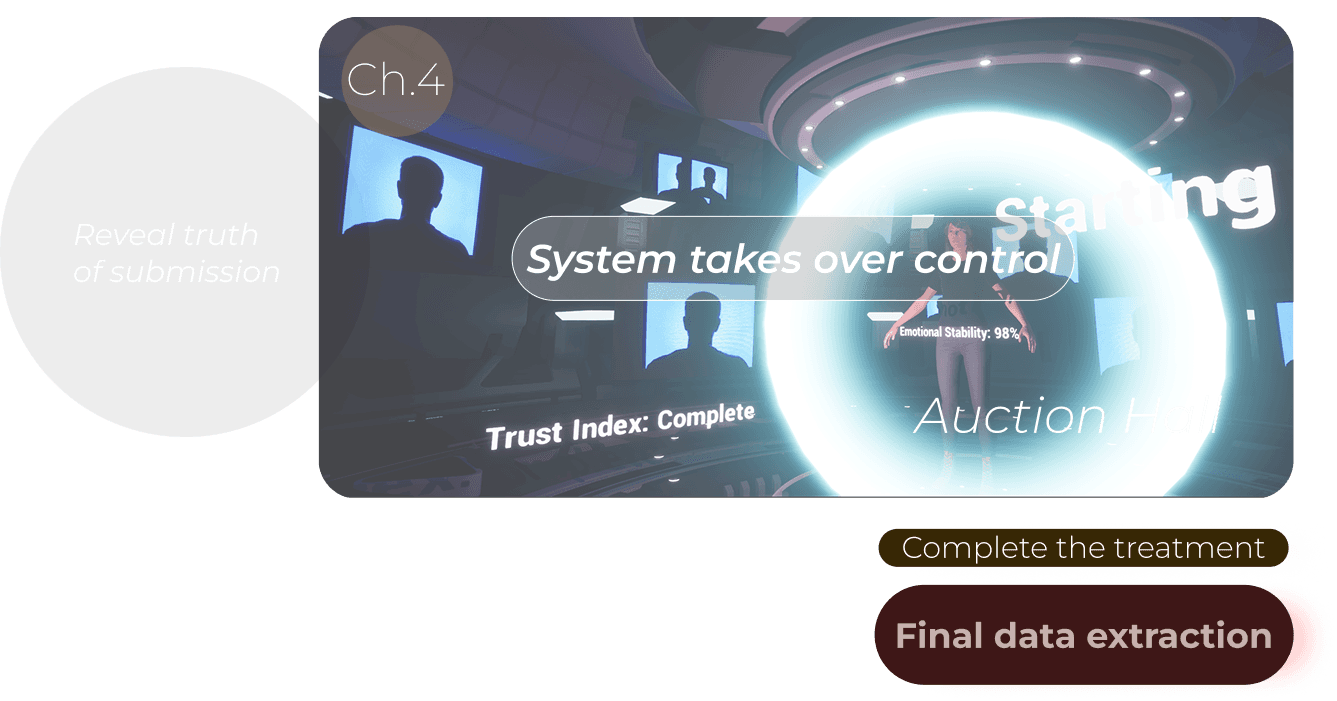
Story-driven Game Flow
Making people believe they are being "healed," when in reality they are being "tamed."
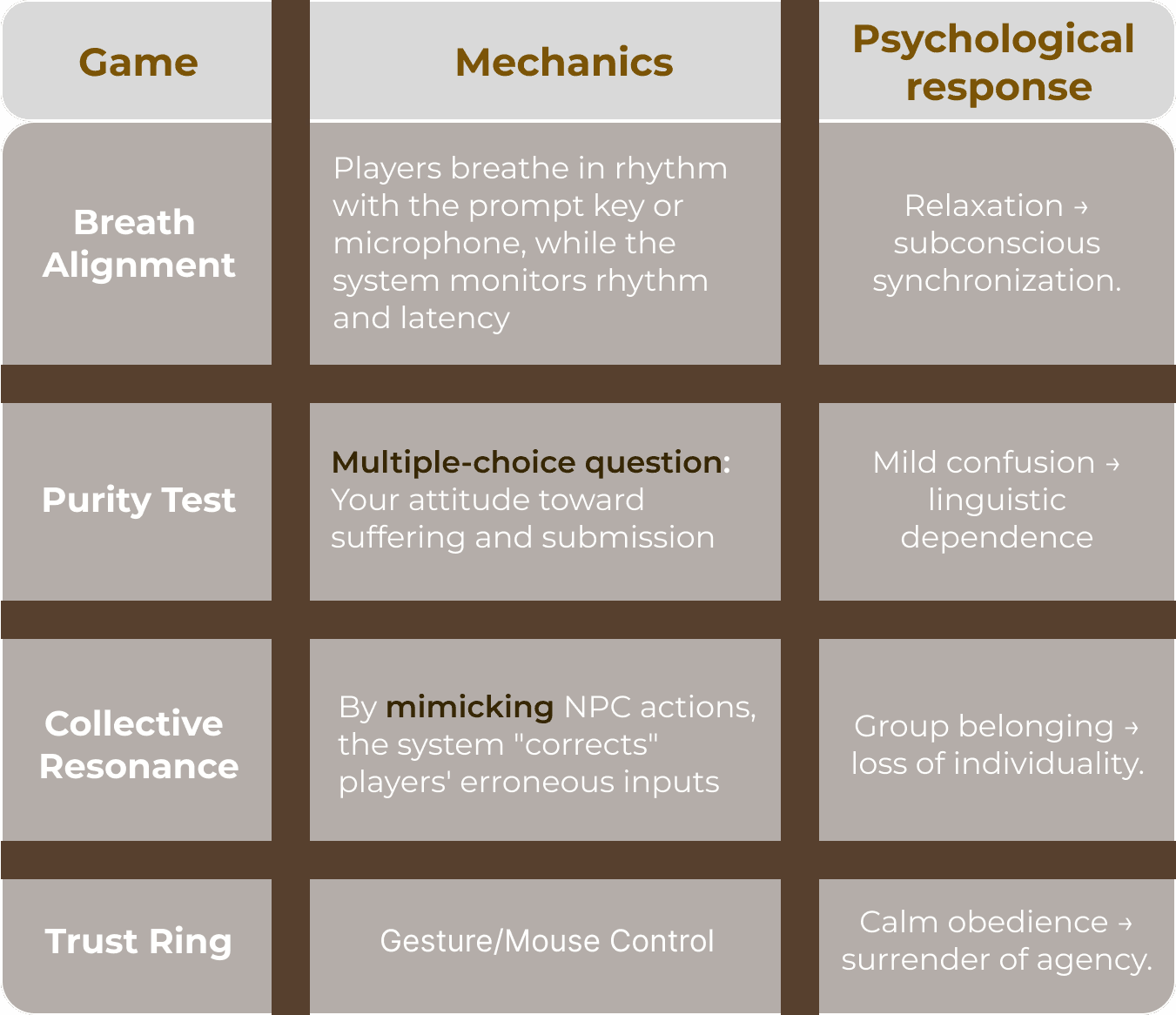
Game Mechanics
"Healing Progress" = A disguised leveling system
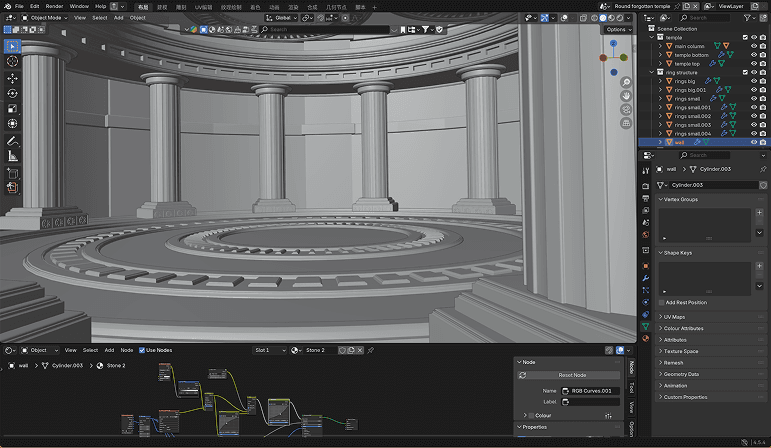
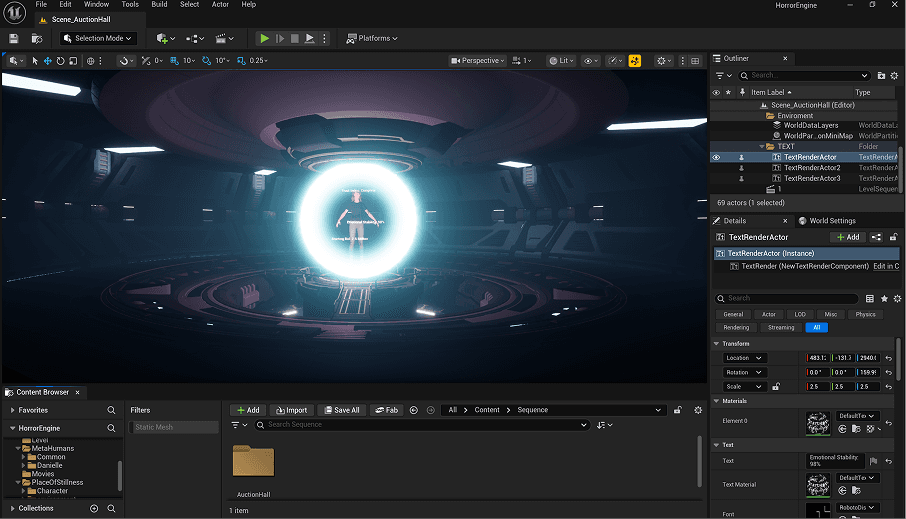
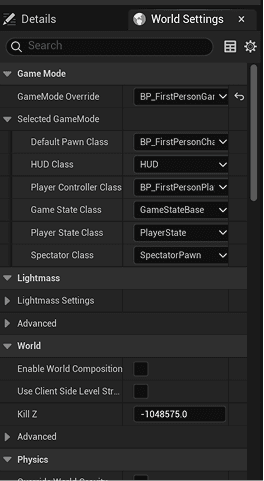
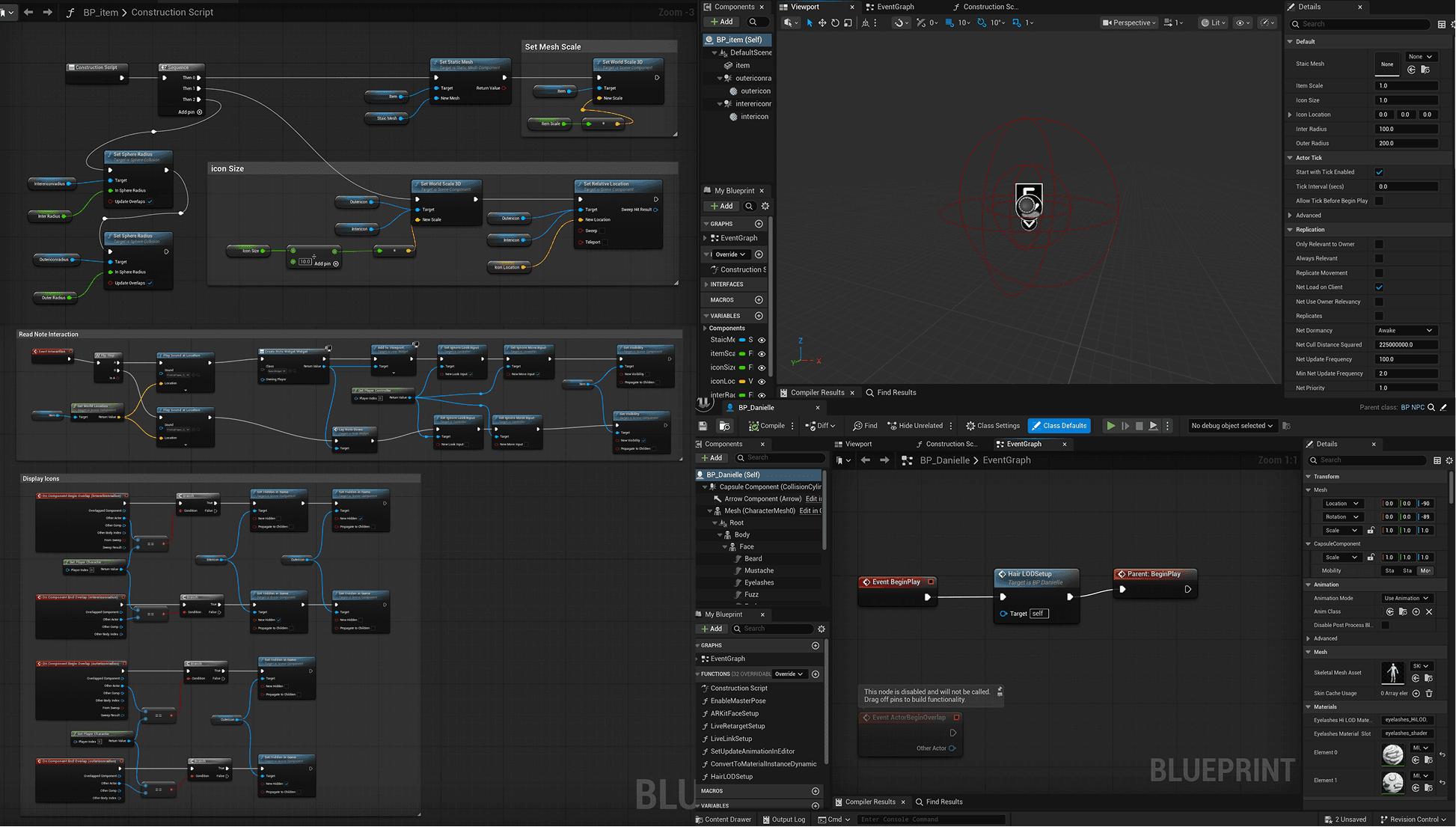
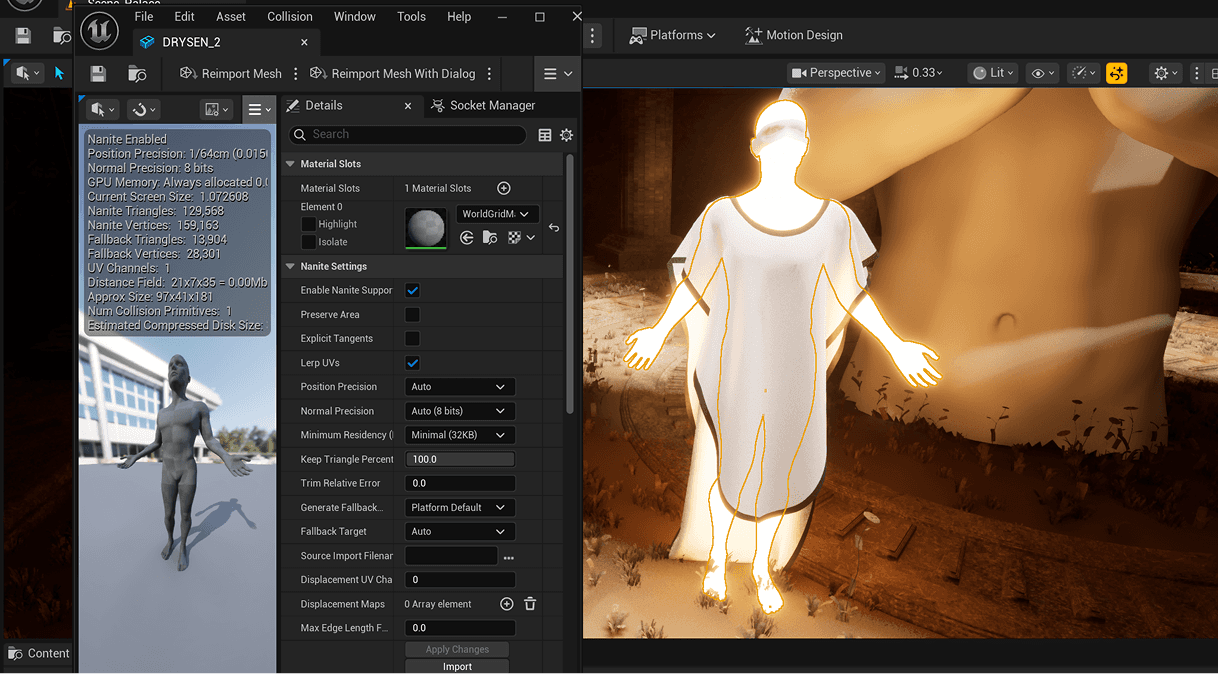
Setup of the scene
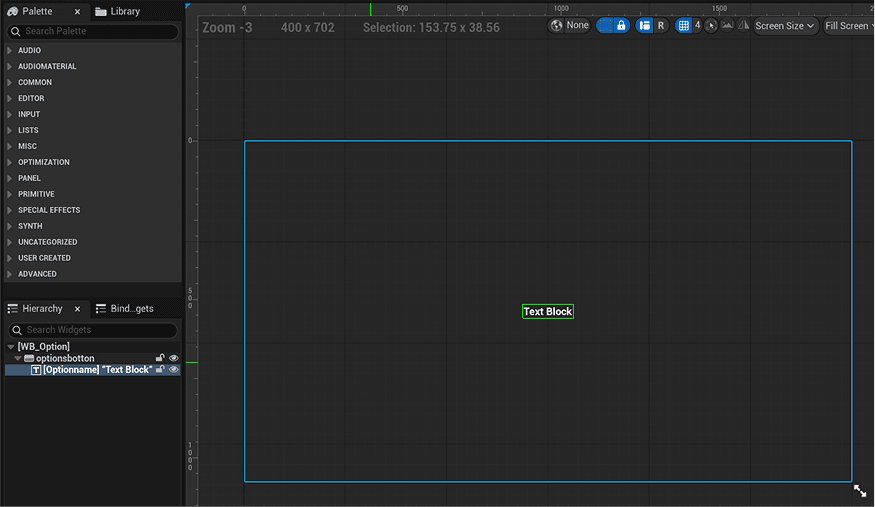
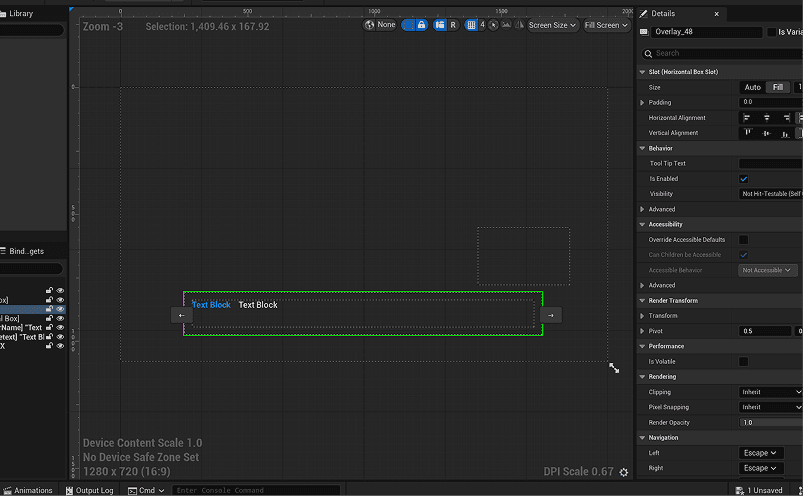
Blueprint
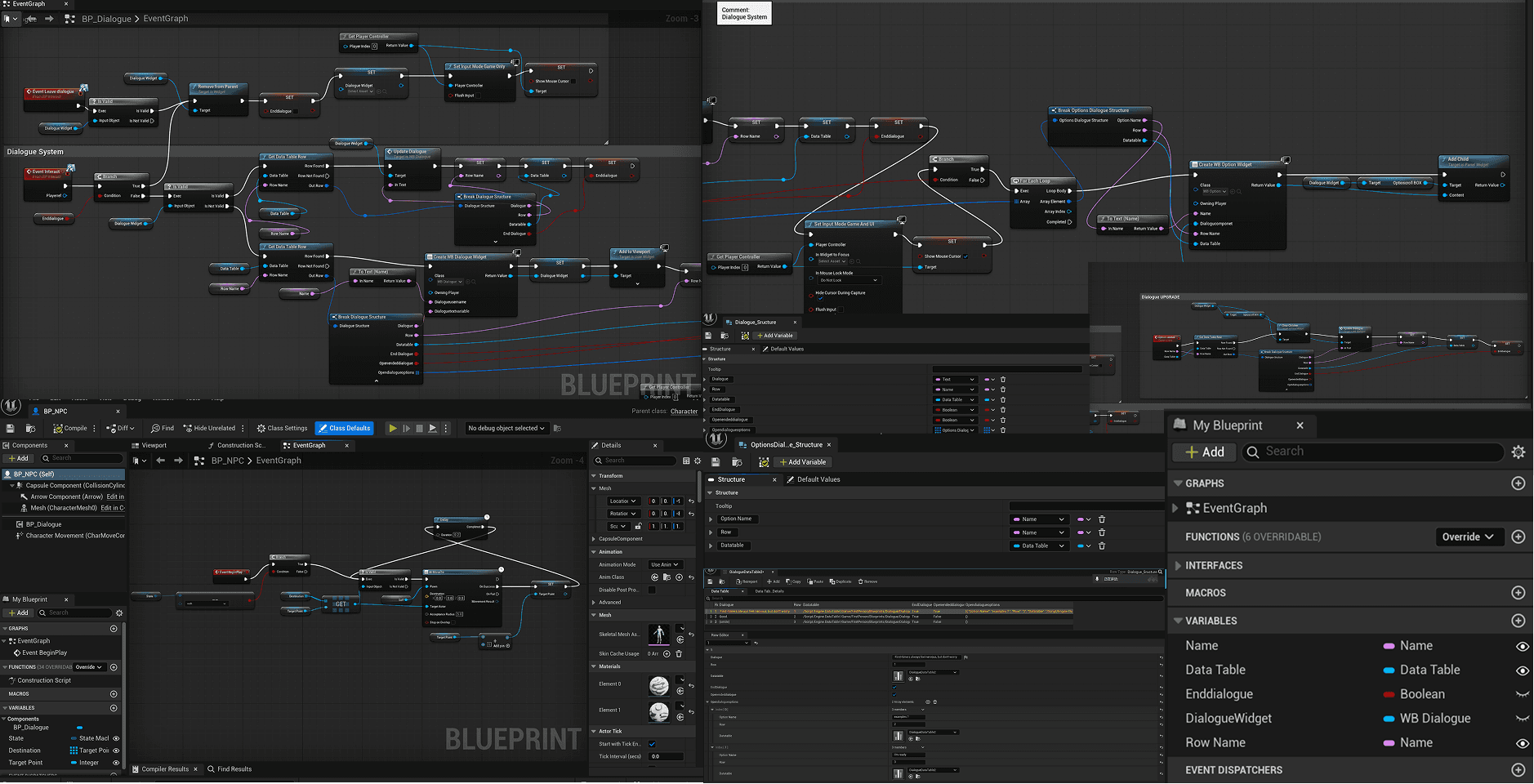
Level Blueprint
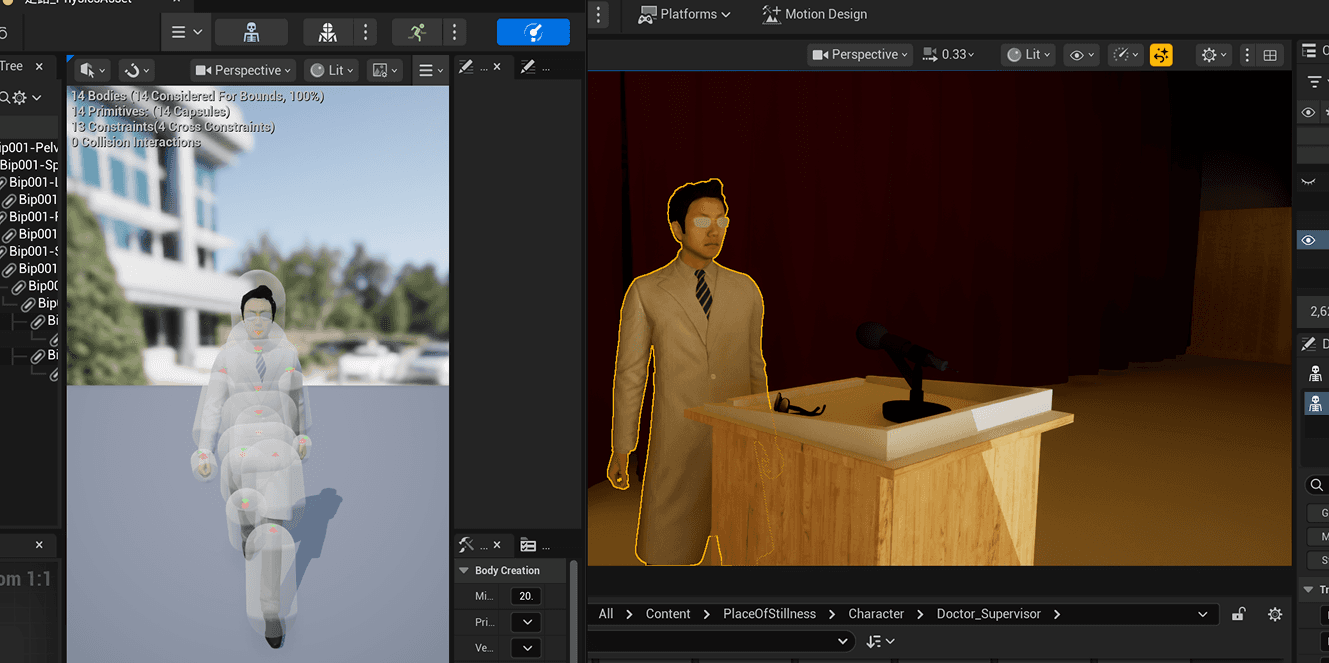
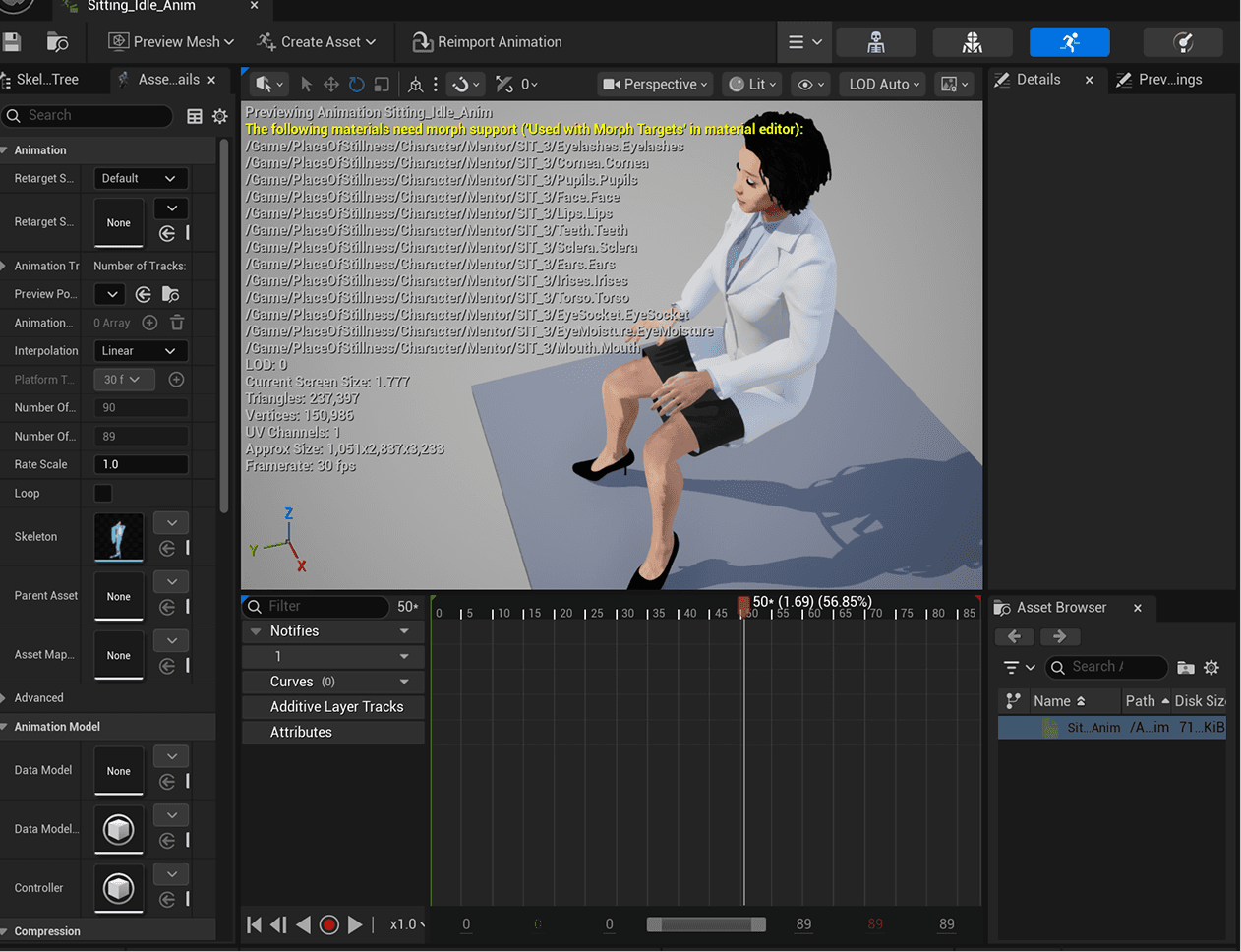
Assets from metal humans
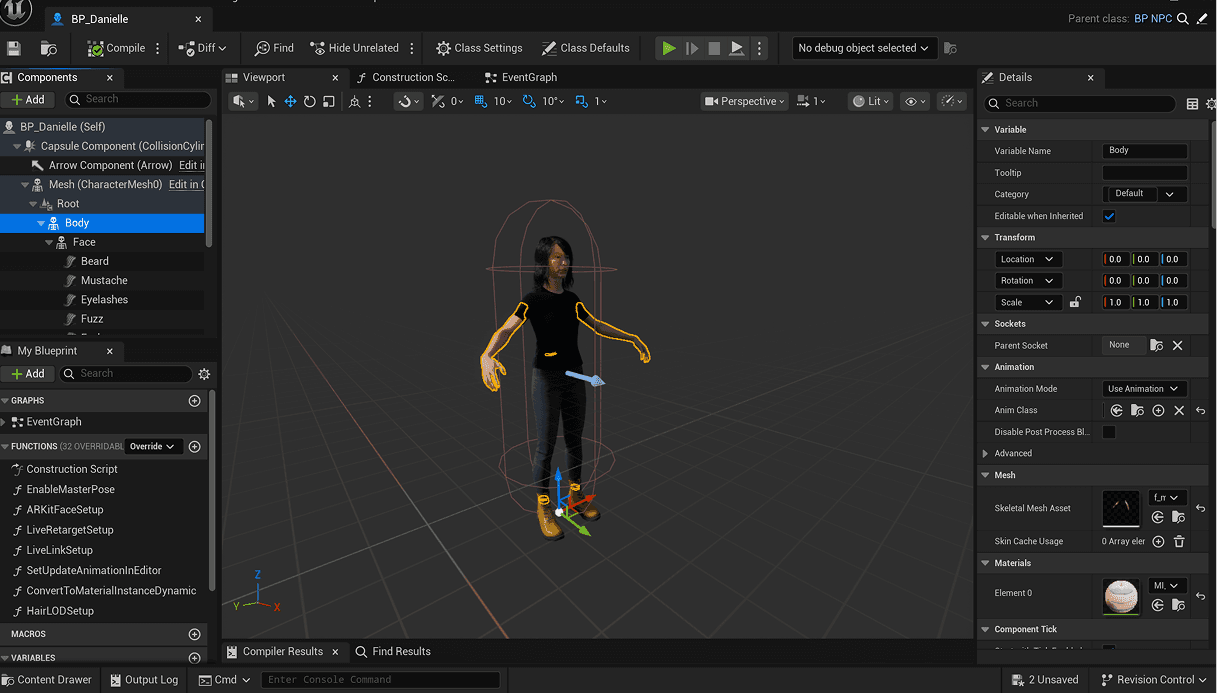
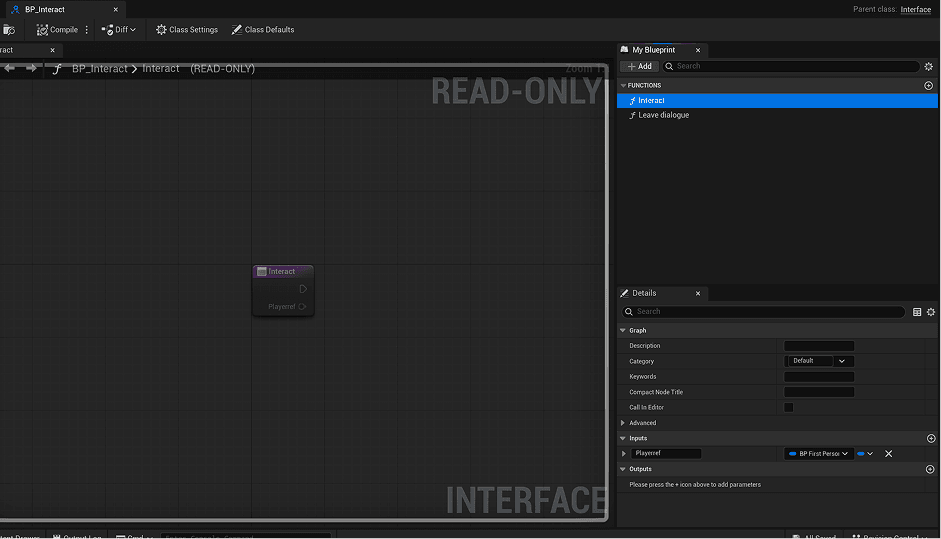
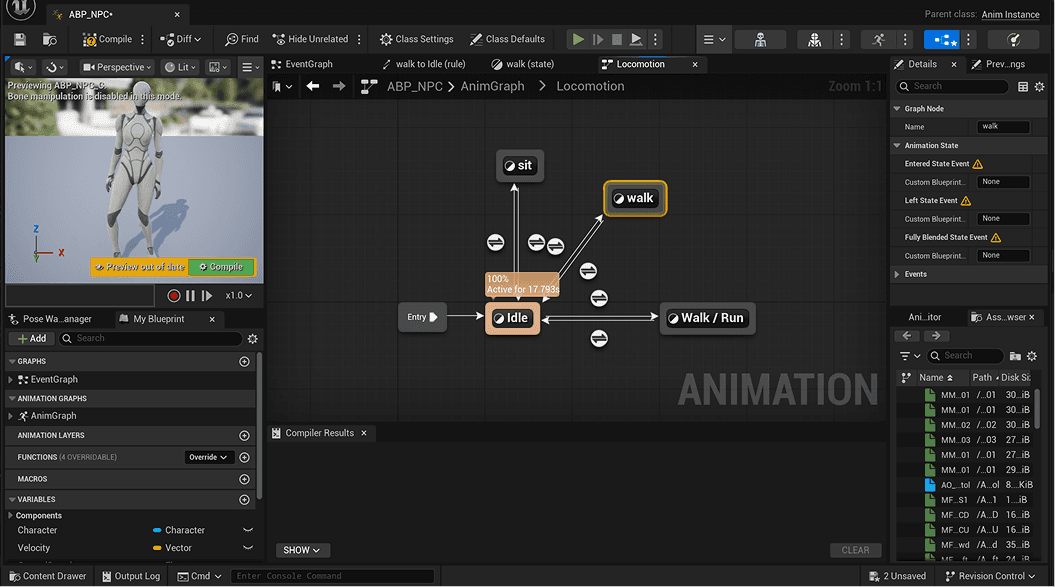
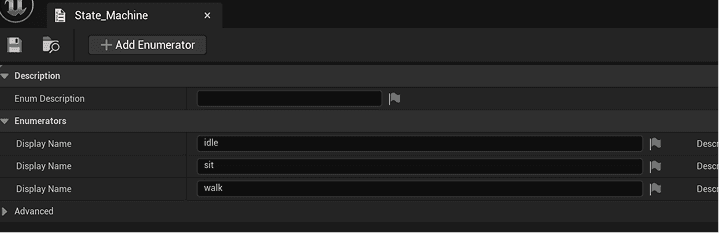
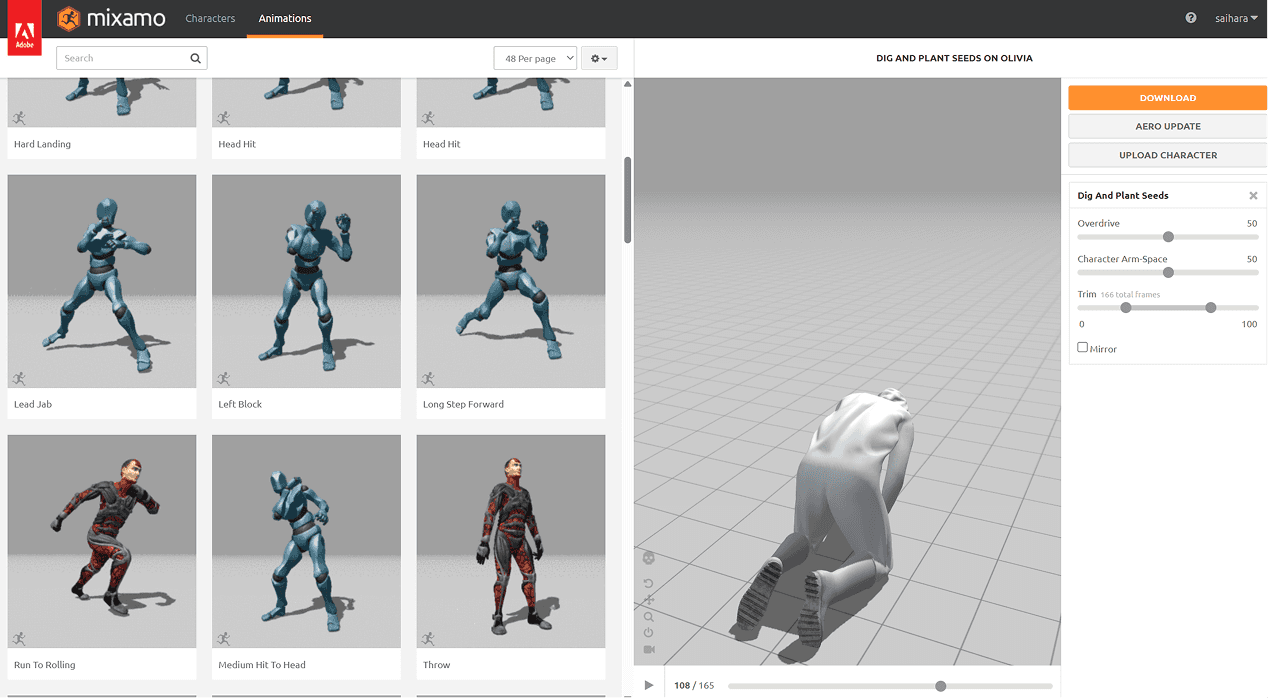
Mixamo Animation
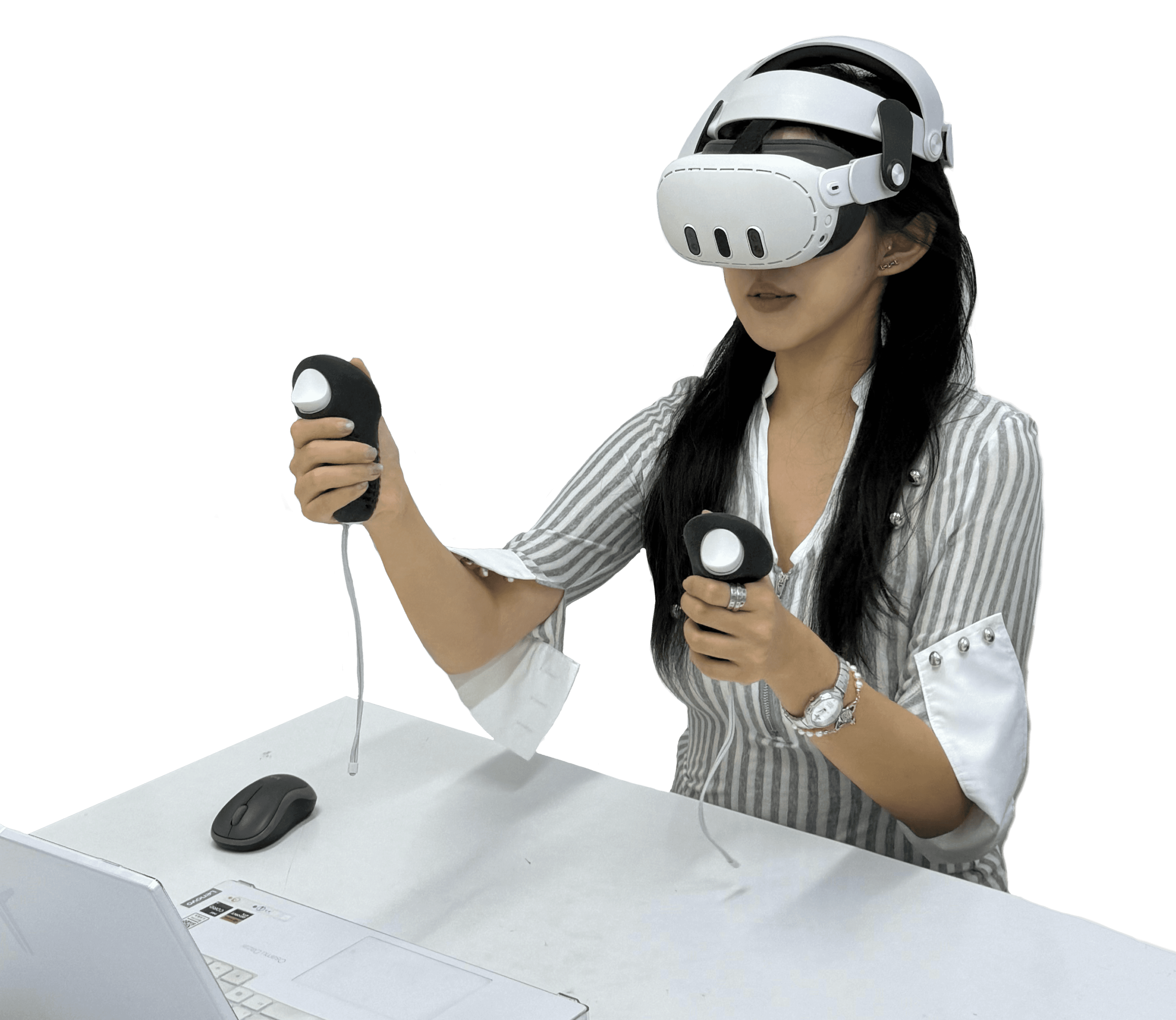
This project translates players’ EEG signals into generative music to create a personalized game audio experience.
EEG Device Overview
I used the TGAM EEG sensor module to collect single-channel brainwave data during gameplay. It detects weak electrical activity on the scalp and outputs EEG frequency features for analysis.
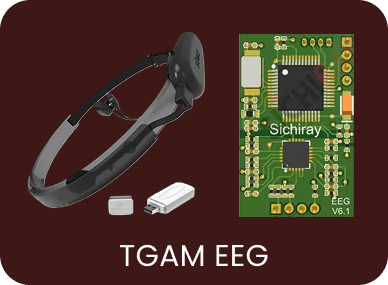
How EEG Data Is Collected
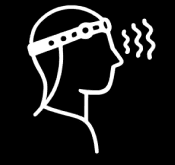
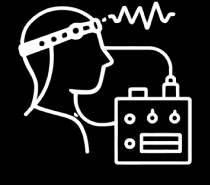

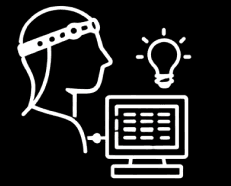
Signal Detection
Amplification & Filtering
Digital Processing
Data Output
Mental State Indicators
Attention and meditation provide high-level summaries that later inform musical intensity.
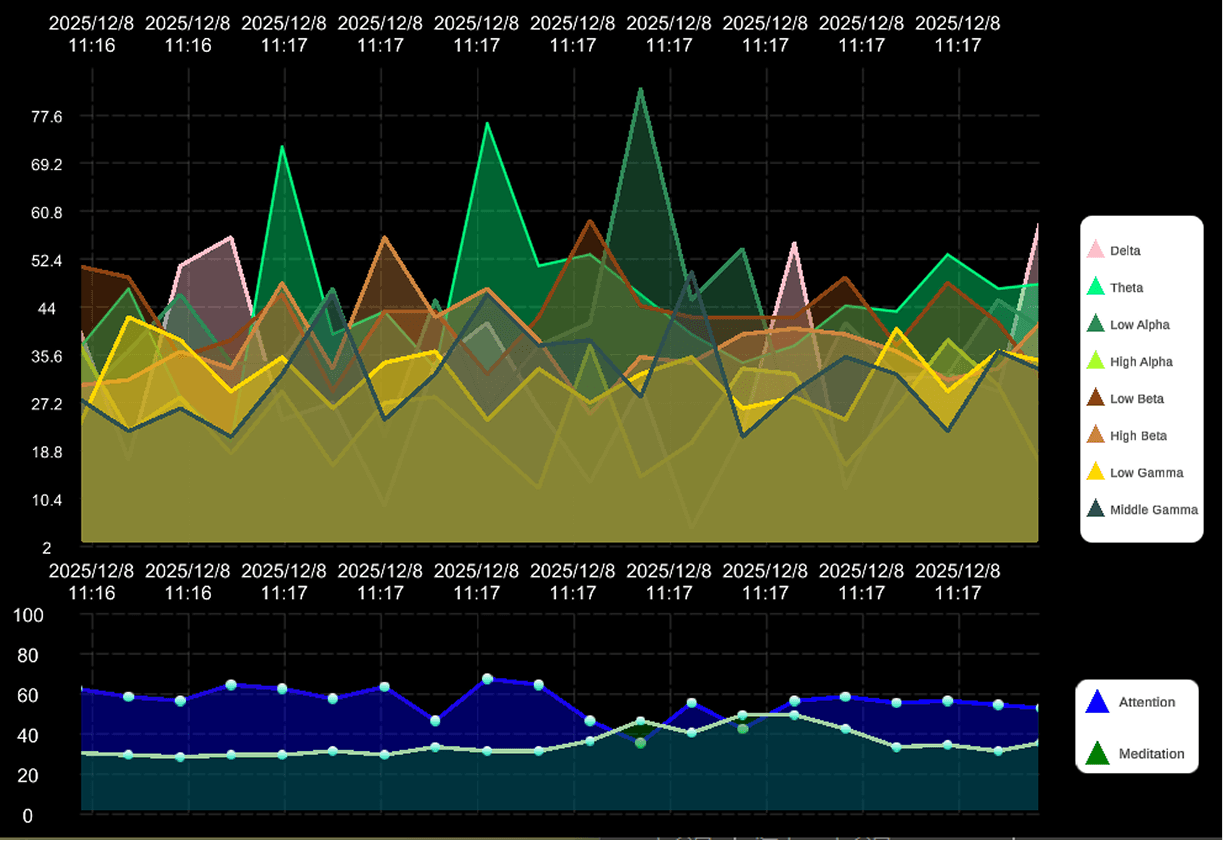
EEG Frequency Bands Visualization
Normalized intensity changes across eight EEG frequency bands over time.
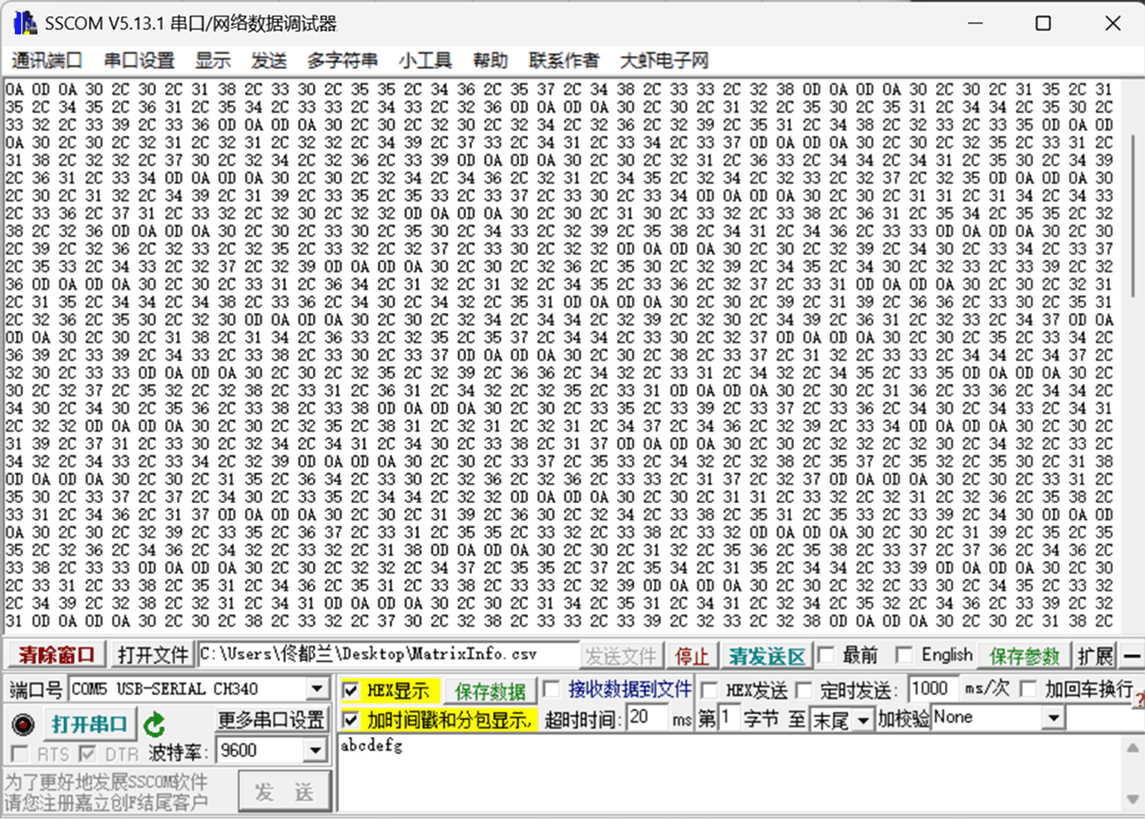
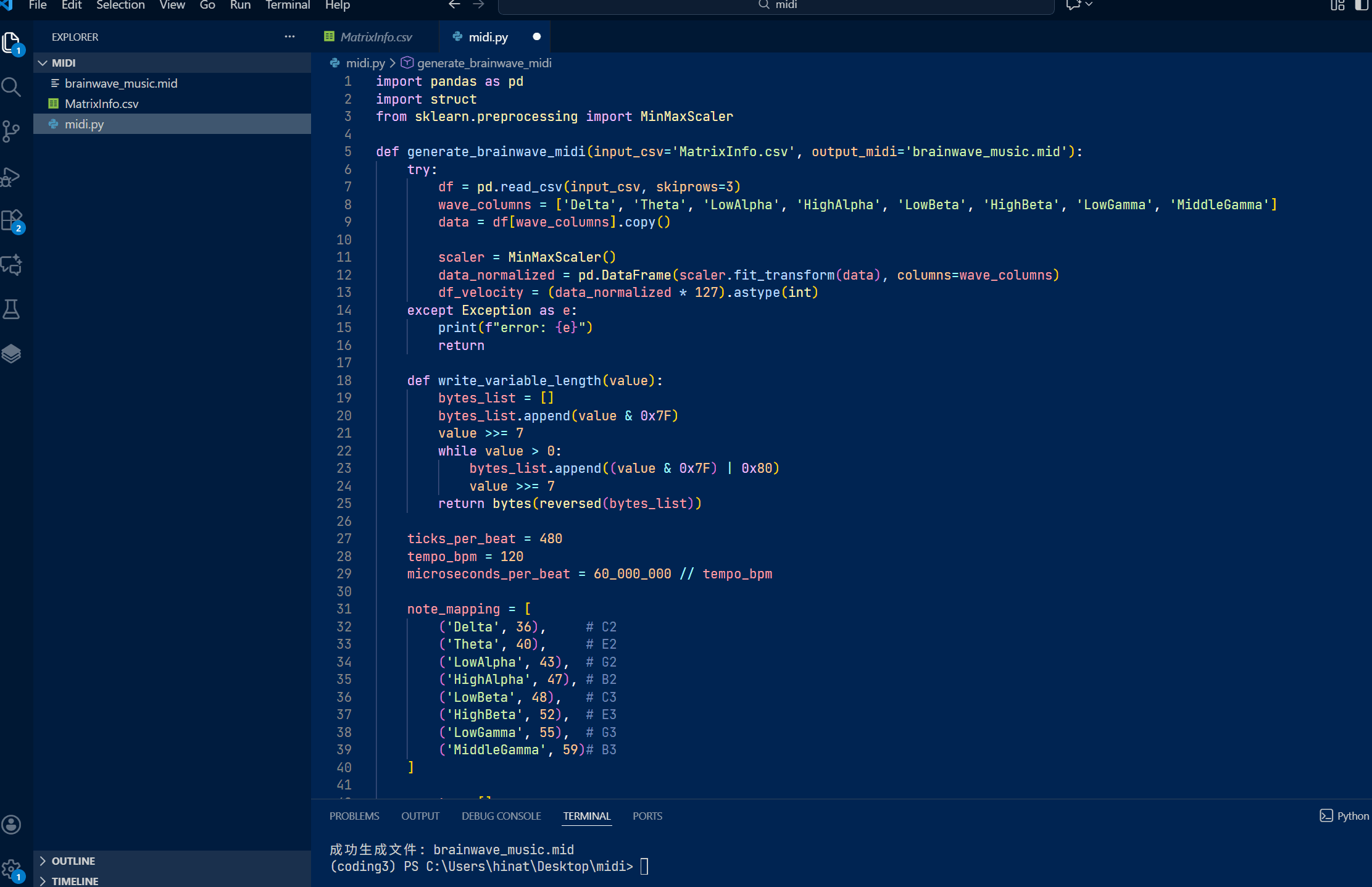
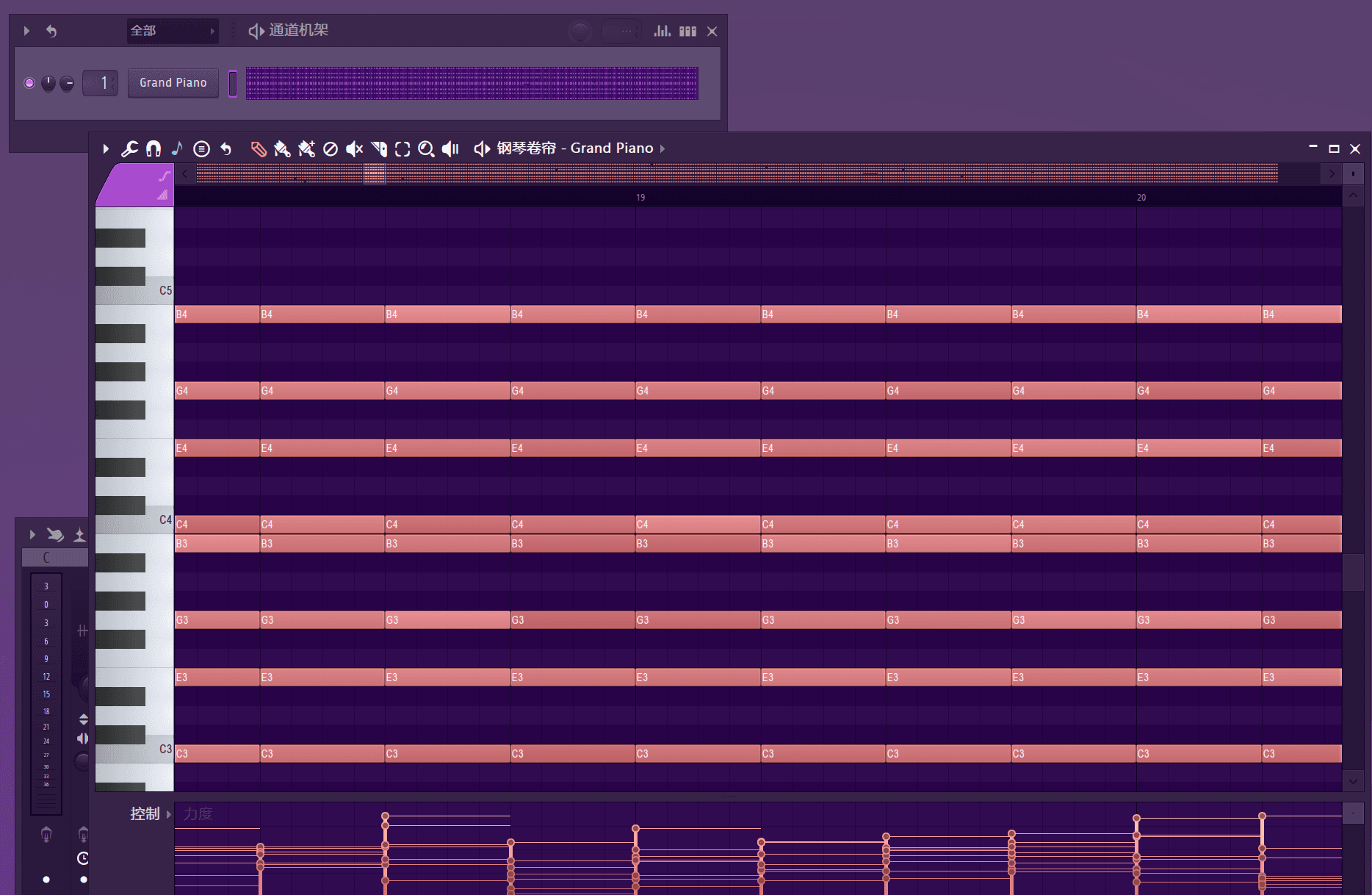
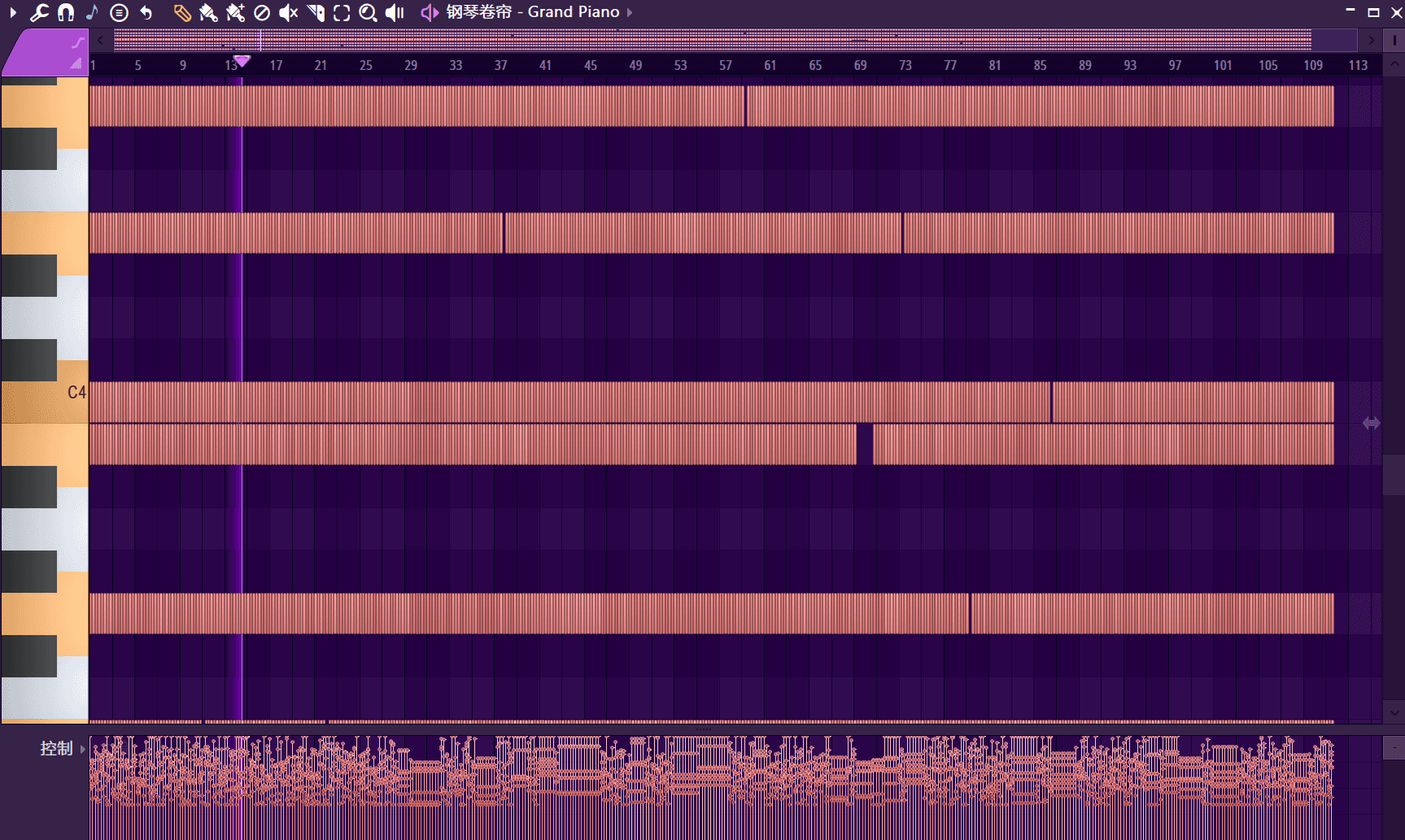
I extracted features from eight EEG frequency bands and normalized them for consistent control signals. These values were mapped to musical parameters to generate a MIDI track.
Data Overview
The dataset includes eight bands: Delta, Theta, Alpha (Low/High), Beta (Low/High), and Gamma (Low/Middle).
Each band is mapped to a pitch within a C Major 9 chord to keep the output harmonically coherent.
Delta → C2 (Low register)
Theta → E2
Low Alpha → G2
High Alpha → B2
Low Beta → C3 (Middle C)
High Beta → E3
Low Gamma → G3
Middle Gamma → B3 (High register)
Velocity Control
Band intensity controls MIDI velocity: higher activation produces louder notes.
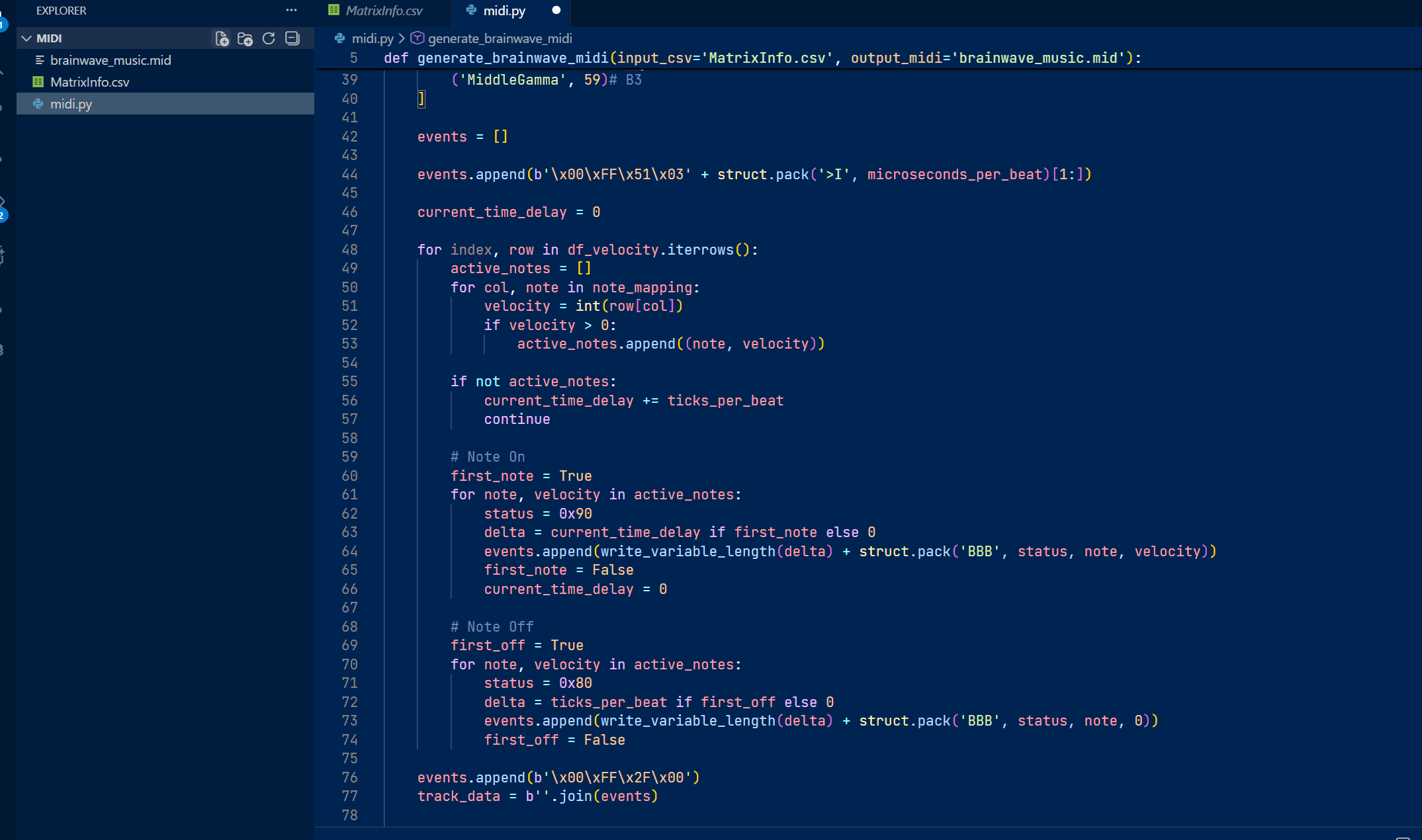
The generated MIDI files were imported into FL Studio for sound design and refinement.
I selected Grand Piano and Choir Ahh to emphasize both clarity and emotional depth, allowing the brainwave-driven structure to remain audible while enhancing atmosphere.
Application in Gameplay
EEG is recorded during gameplay and translated into a personalized music track afterward. Changes in focus/relaxation alter harmony density and dynamics, giving each player a unique soundtrack for the same scenario.
Current Limitations
Due to the offline workflow, audio feedback is not fully synchronized with visual events during gameplay. EEG is collected during play, processed afterward, and then converted into music. This was a deliberate prototyping choice to prioritize stability and musical coherence.
Future Direction
Future iterations could enable real-time generation by integrating live EEG streaming with a game engine and audio middleware.
(Trust Achieved)
“Every Trust Makes the System Smarter.” — The Place of Stillness, 2025
see also